
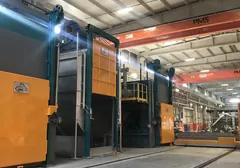
We size recycling furnaces to your scrap mix
In secondary melting the charge changes every time: different alloys, painted or oily surfaces, variable density. A furnace designed for ingot charge increases metal loss and fuel consumption on this kind of charge. We size the furnace, the flue system and the dross management to your scrap profile.
The loss is in the furnace regime, not in its size
In a recycling plant, what decides is not the nominal capacity but the charging regime: how many times per shift the door is opened, how thin the charge is, what is on its surface. Every time the door is opened the furnace loses heat; with a thin and dirty charge, oxidation loss increases. We measure these and design the melting and holding furnace around them — the combustion system, the charging door and the flue side are not separately selected equipment but the output of the same calculation.
The second issue is composition stability. As the charge changes, the composition of the bath changes too; without a degassing and refining step, the quality of the ingot or billet that comes out varies from shift to shift. We build the molten metal side as a system that feeds the casting line — the furnace is not a product on its own.
Projects we have completed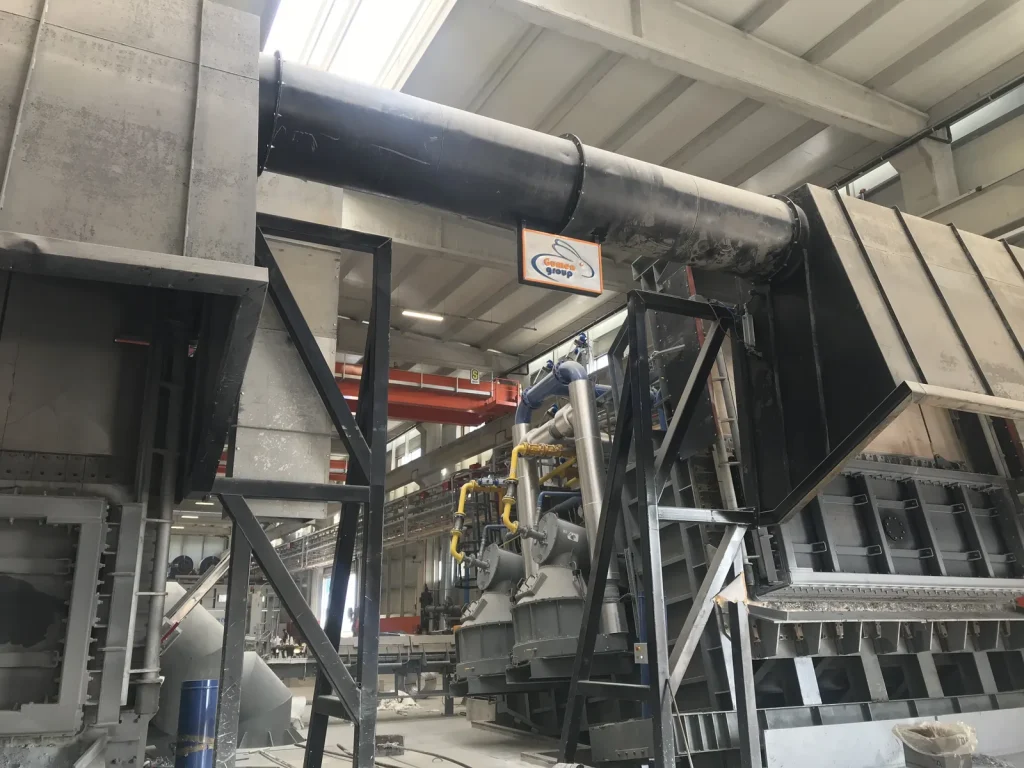
From charge to ingot
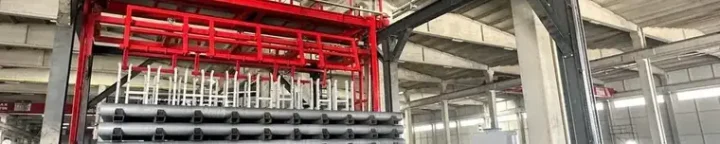
Charge preparation and feeding
The way scrap enters the furnace determines half of the melting efficiency. When the charging system is designed together with the furnace, the time the door stays open is shortened and heat loss falls directly.
- Charging and cleaning systems
- Automatic loading & unloading
- Charging door and feeding automation
- PLC & SCADA line control
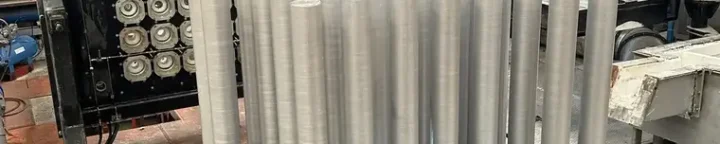
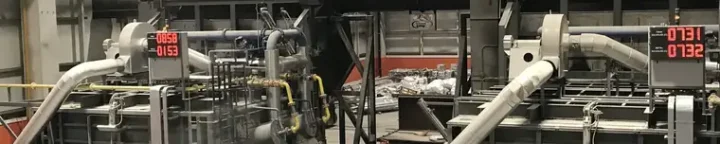
Melting, holding and casting
The entire molten metal side. With a variable charge, composition stability is achieved through the degassing and refining step; without them, the quality of the product that comes out varies from shift to shift.
- Melting furnace
- Holding furnace
- Degassing unit
- Metal quality and refining
- Ingot and billet casting systems
Projects from this industry
Our work in recycling plants has not yet been published on the site. Our references on the melting, holding and casting side describe the same equipment; for a similar plant you can write to us directly.
All our referencesWe answer frequently asked questions
about recycling plants
Yes, if the furnace is designed for it. Painted and oily surfaces put an additional load on the combustion system and the flue line; if the share of dirty scrap in your charge is high, we size the furnace around that profile from the very start.
Because of charge variability. Different alloys, variable density and dirty surfaces make the door size, the bath depth, the combustion system and the flue draught different from those of an ingot-charge furnace. A furnace designed for ingot charge increases metal loss and fuel consumption on this charge.
In three ways: a furnace geometry and combustion regime calculated for the charge, mechanical dross skimming (which reduces the metal lost with the dross compared with manual removal), and charging automation that shortens the time the door stays open.
We engineer the flue line and the draught design together with the furnace; filtration requirements are defined within the project scope according to local regulations. Emission measurement and permitting processes remain the plant’s responsibility.
Let’s size your furnace to your scrap mix
Tell us the scrap types in your charge, the painted and oily share and your target tonnage, and we will quote a furnace configuration that reduces metal loss and fuel consumption.
Request a Quote