
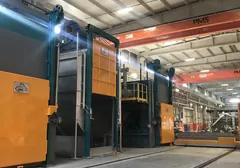

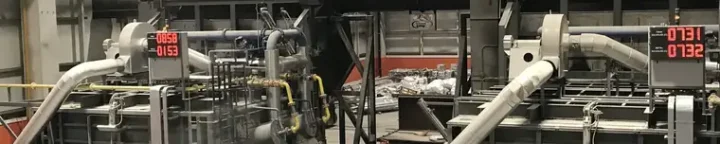

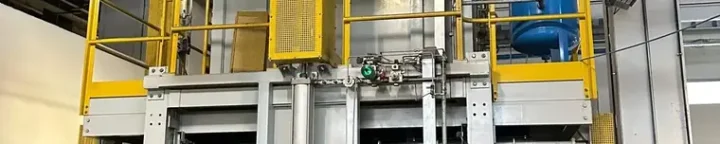
We design melting and holding furnaces around your charge profile
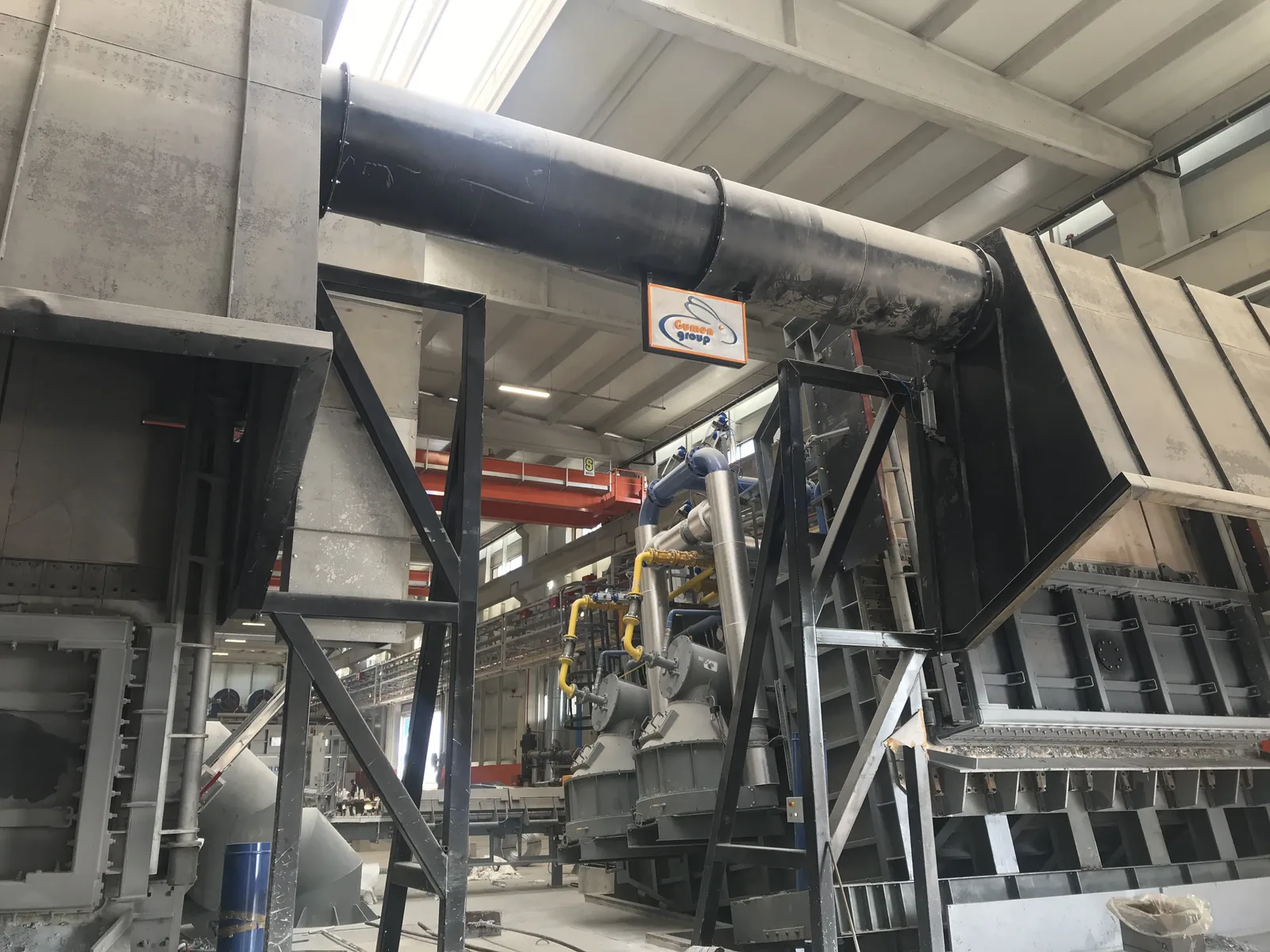
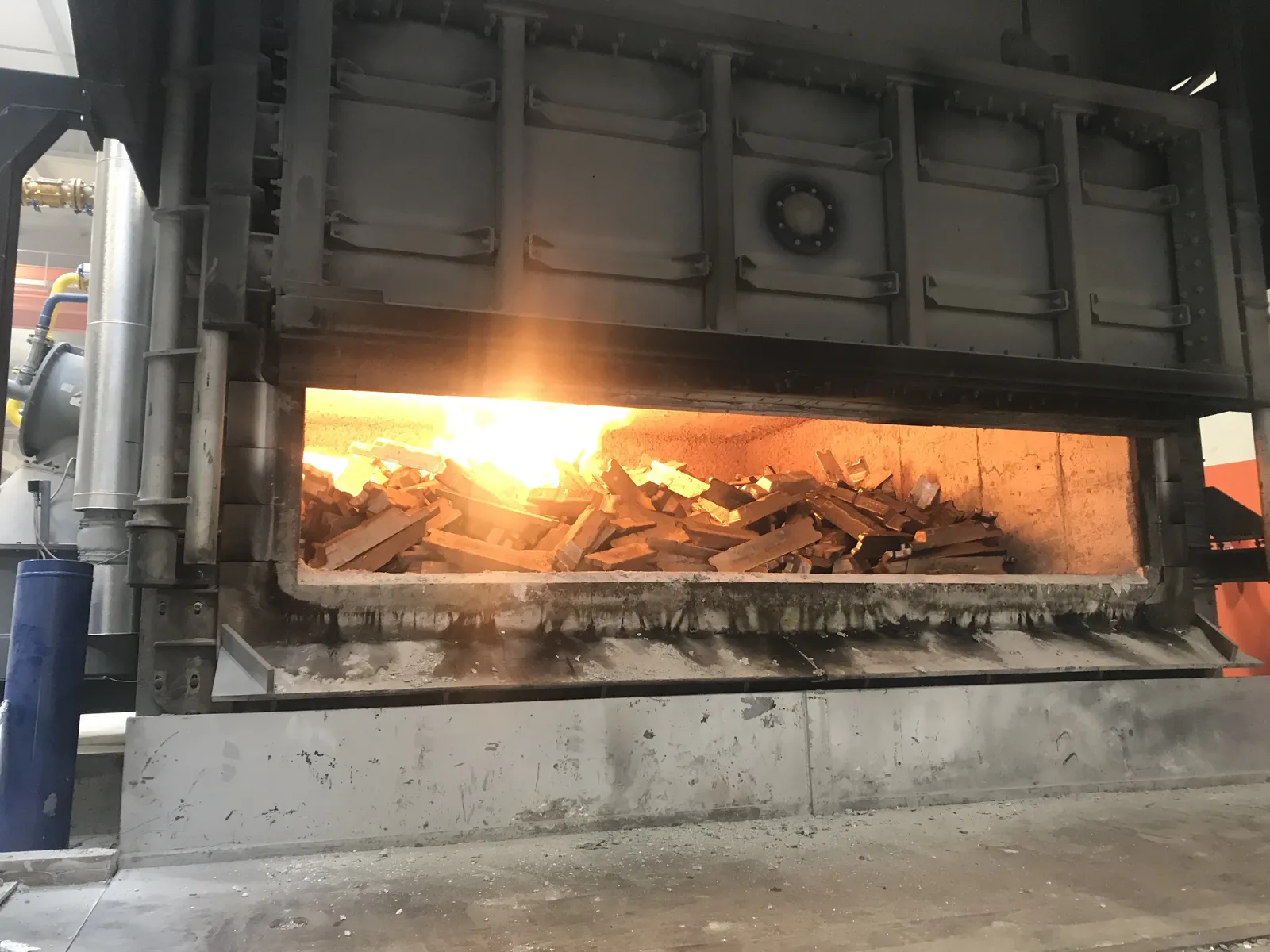
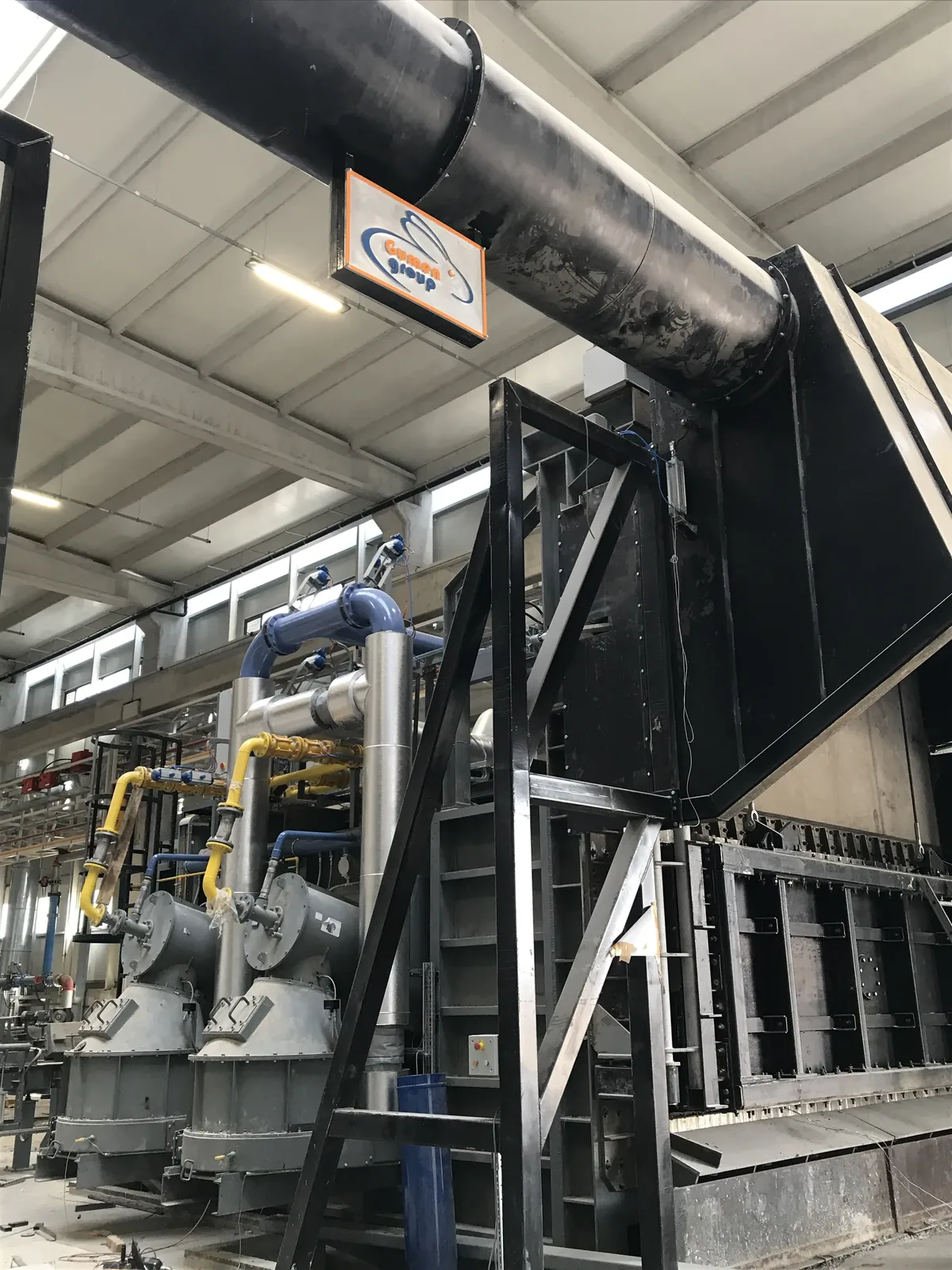
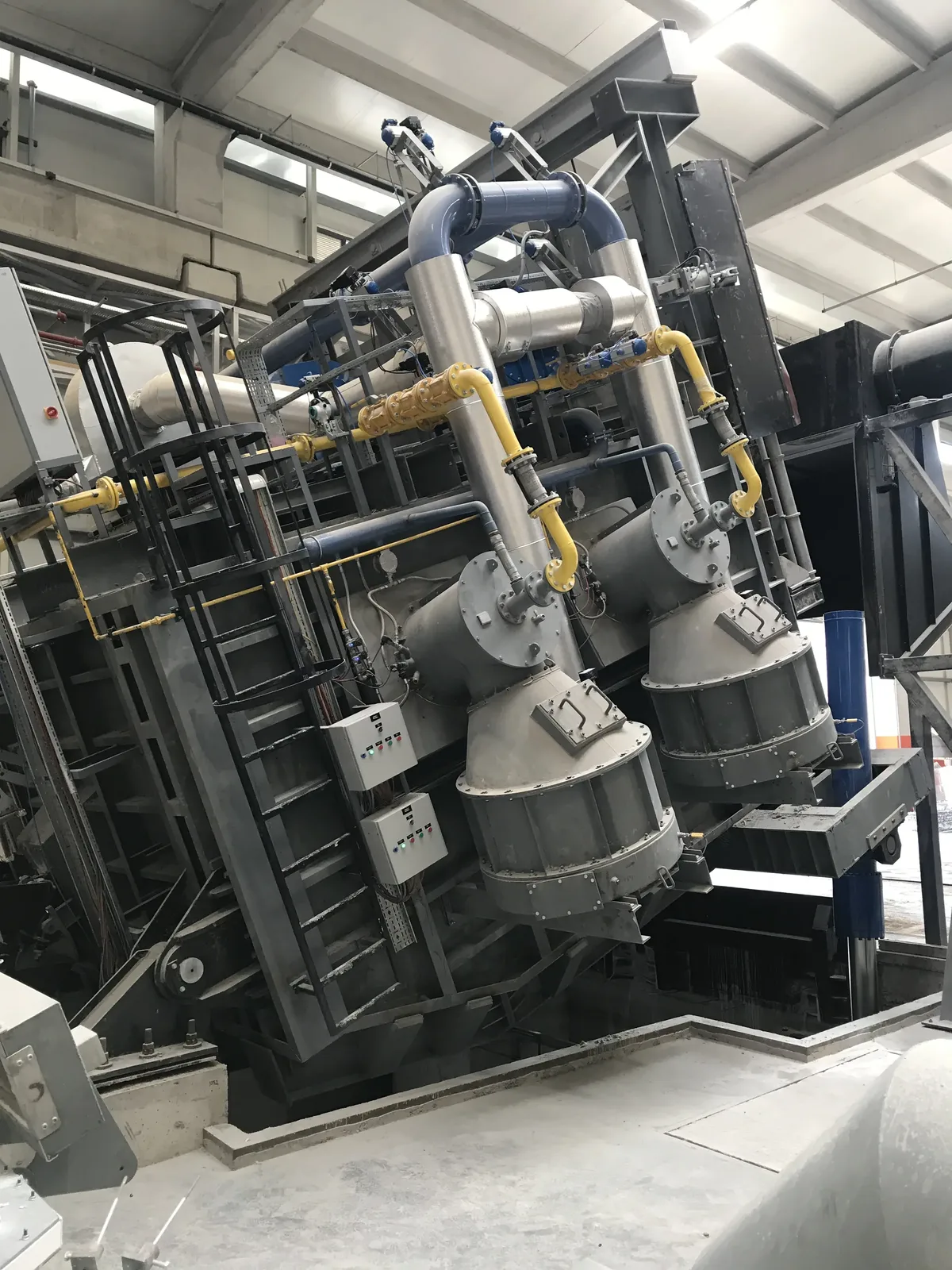
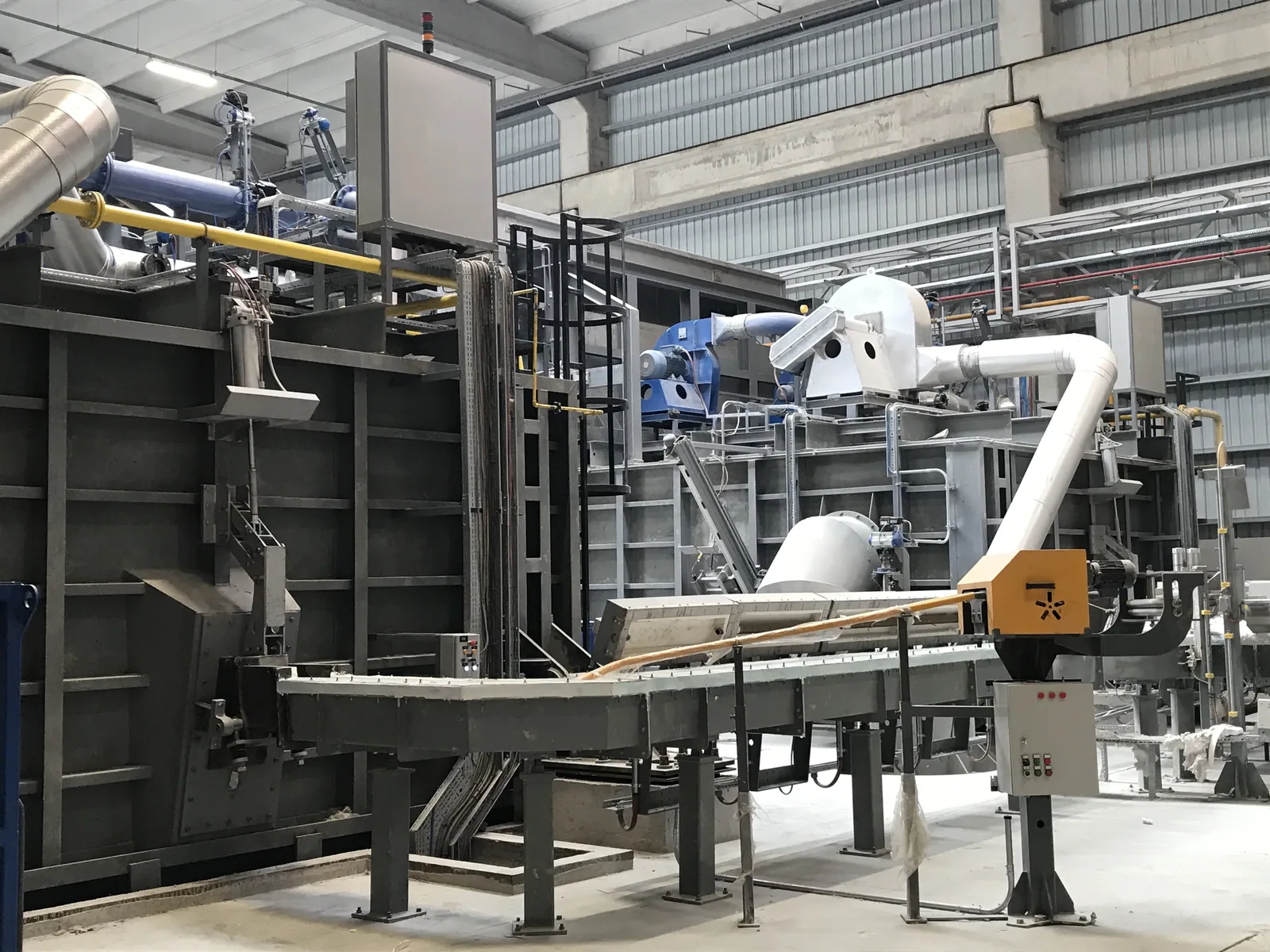
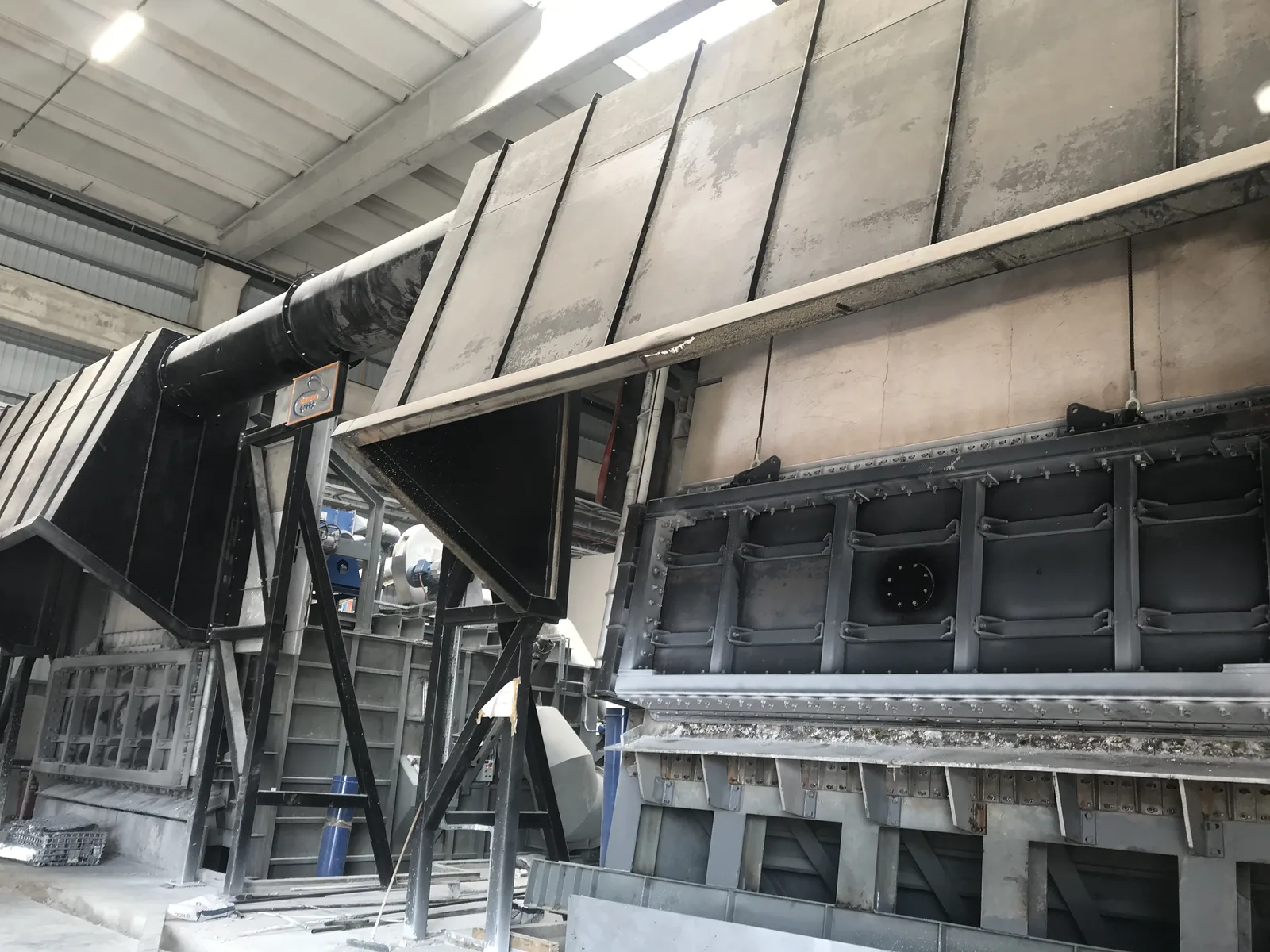
In an aluminium melting furnace, the type of charge matters before capacity: ingots and painted profile scrap do not melt efficiently in the same furnace. We build the reverberatory body as single- or twin-chamber, solve metal transfer with hydraulic tilting or a launder line, and monitor the bath temperature continuously with thermocouples inside the furnace.
- Capacity
- 500 kg – 60 tonnes
- Body
- Single / twin-chamber
- Combustion
- Regenerative burner
- Transfer
- Tilting / launder
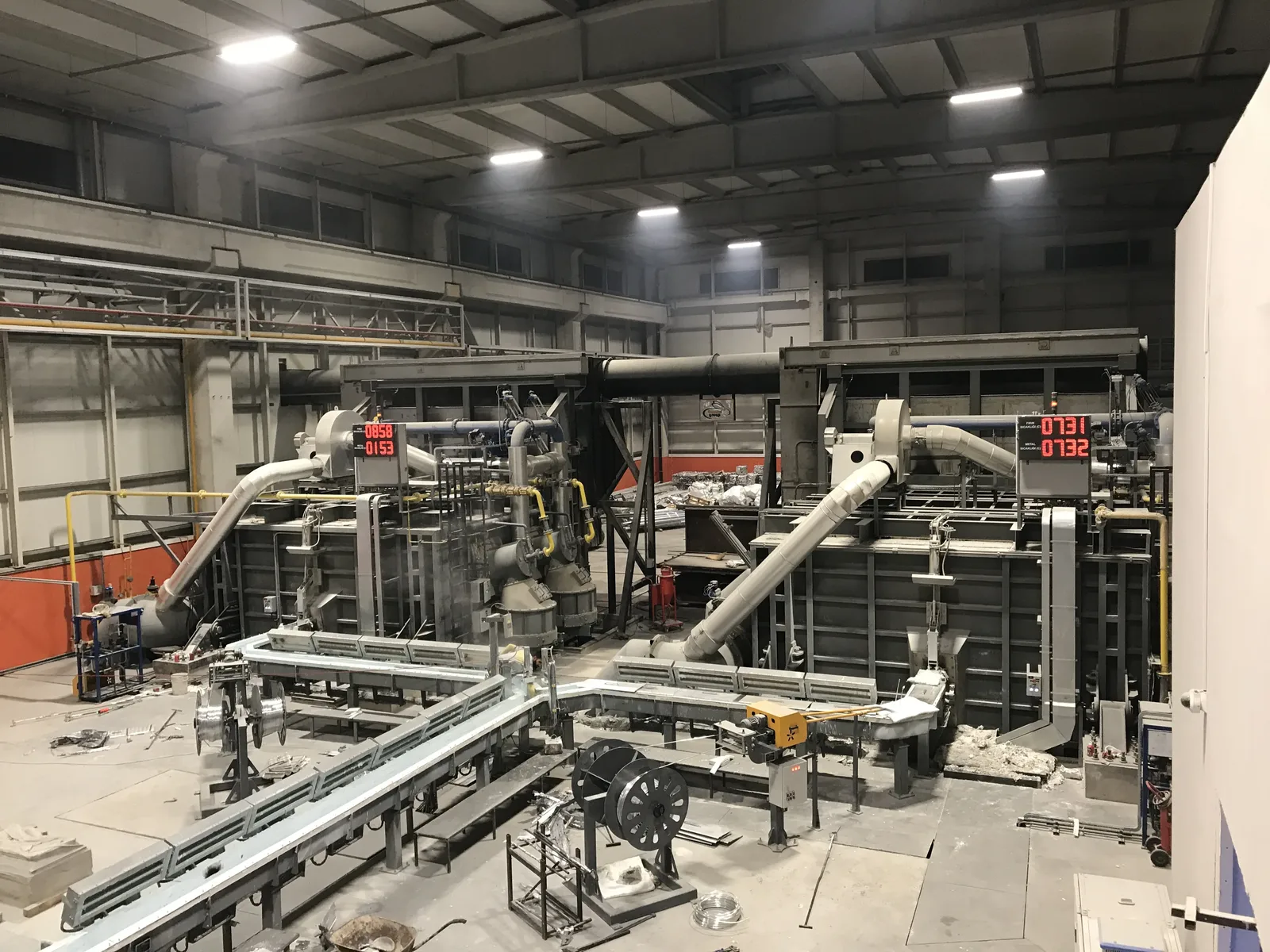
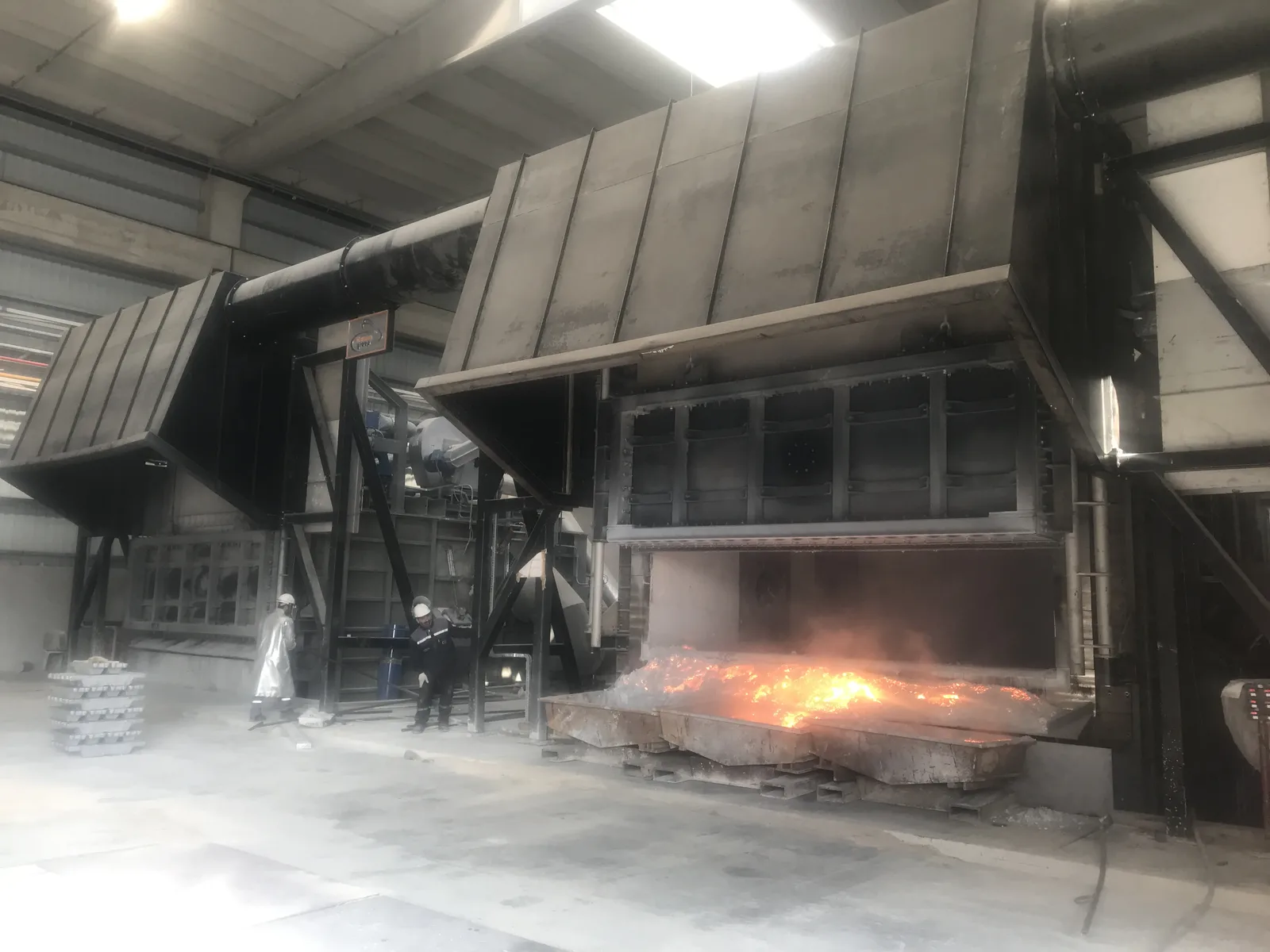
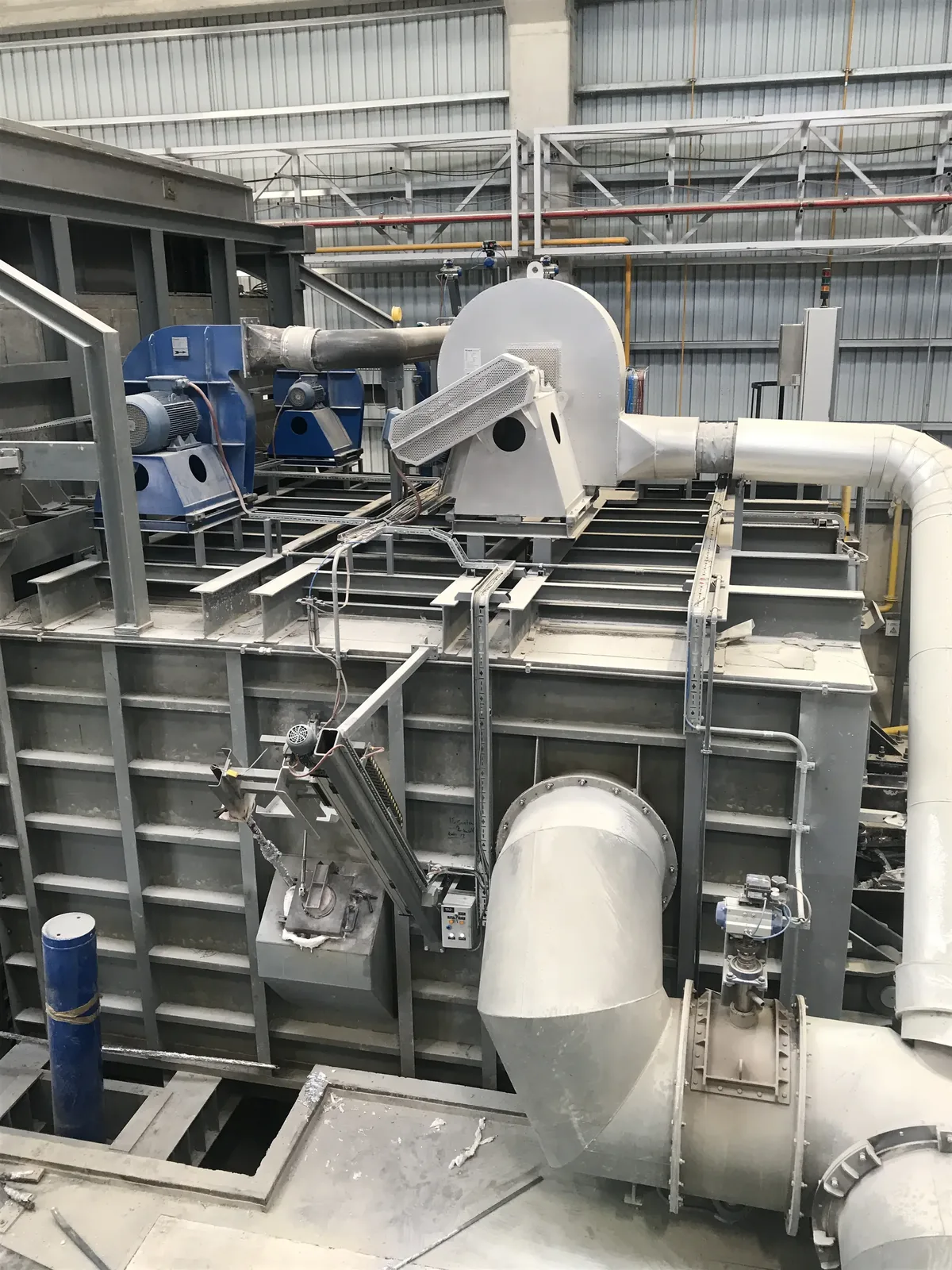
Melting and holding furnace technical specifications
- Furnace type
- Reverberatory, with a fixed or hydraulically tilting body
- Chamber layout
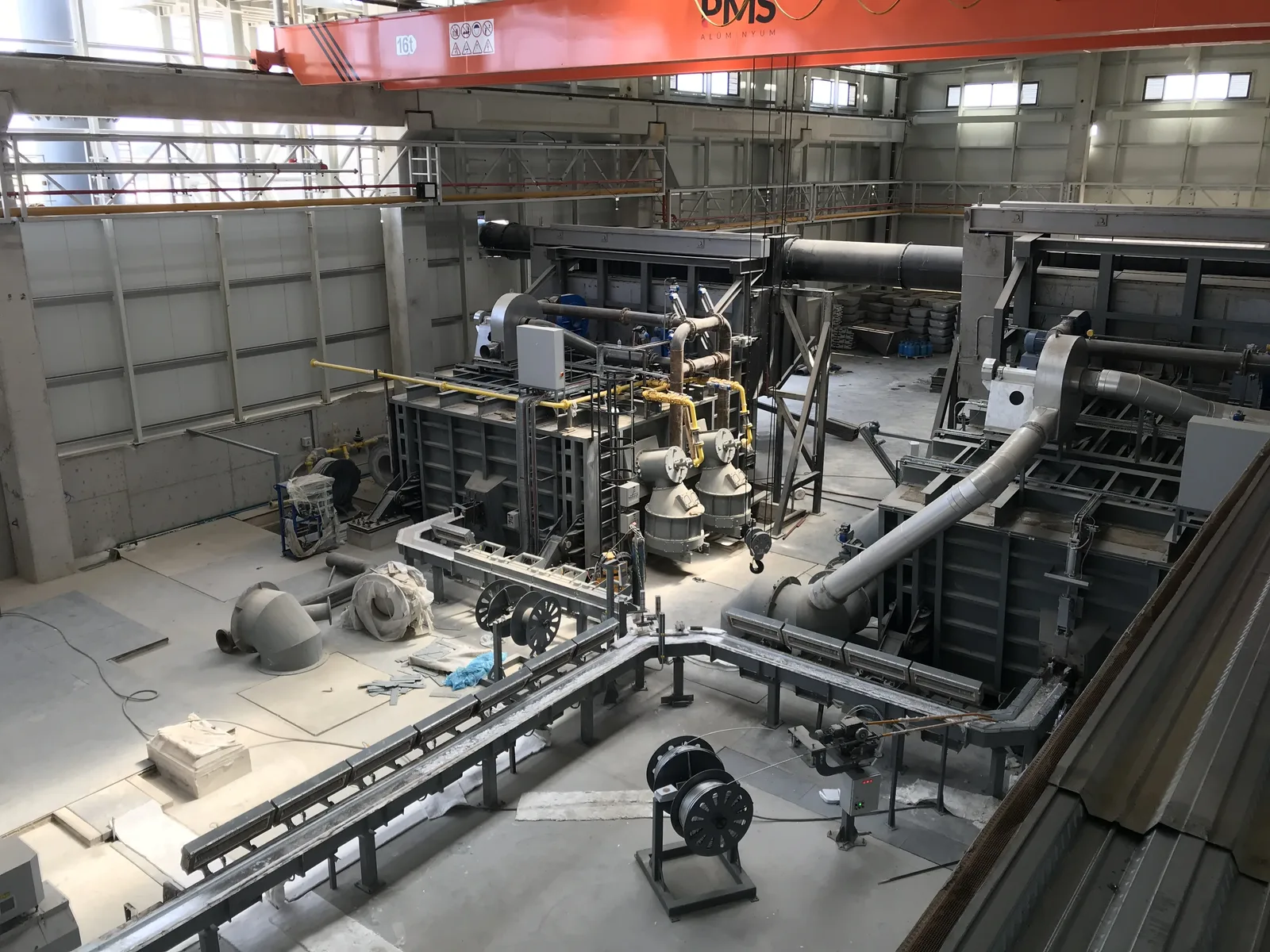
- Single-chamber or twin-chamber; in the twin-chamber design, melting and holding take place in separate chambers
- Melting capacity
- 500 kg – 60 tonnes
- Charge material
- Ingots, profile scrap, chip briquettes, molten metal
- Combustion system
- Regenerative burner · recuperative burner · standard burner
- Fuel
- Natural gas or LPG
- Flue and pressure
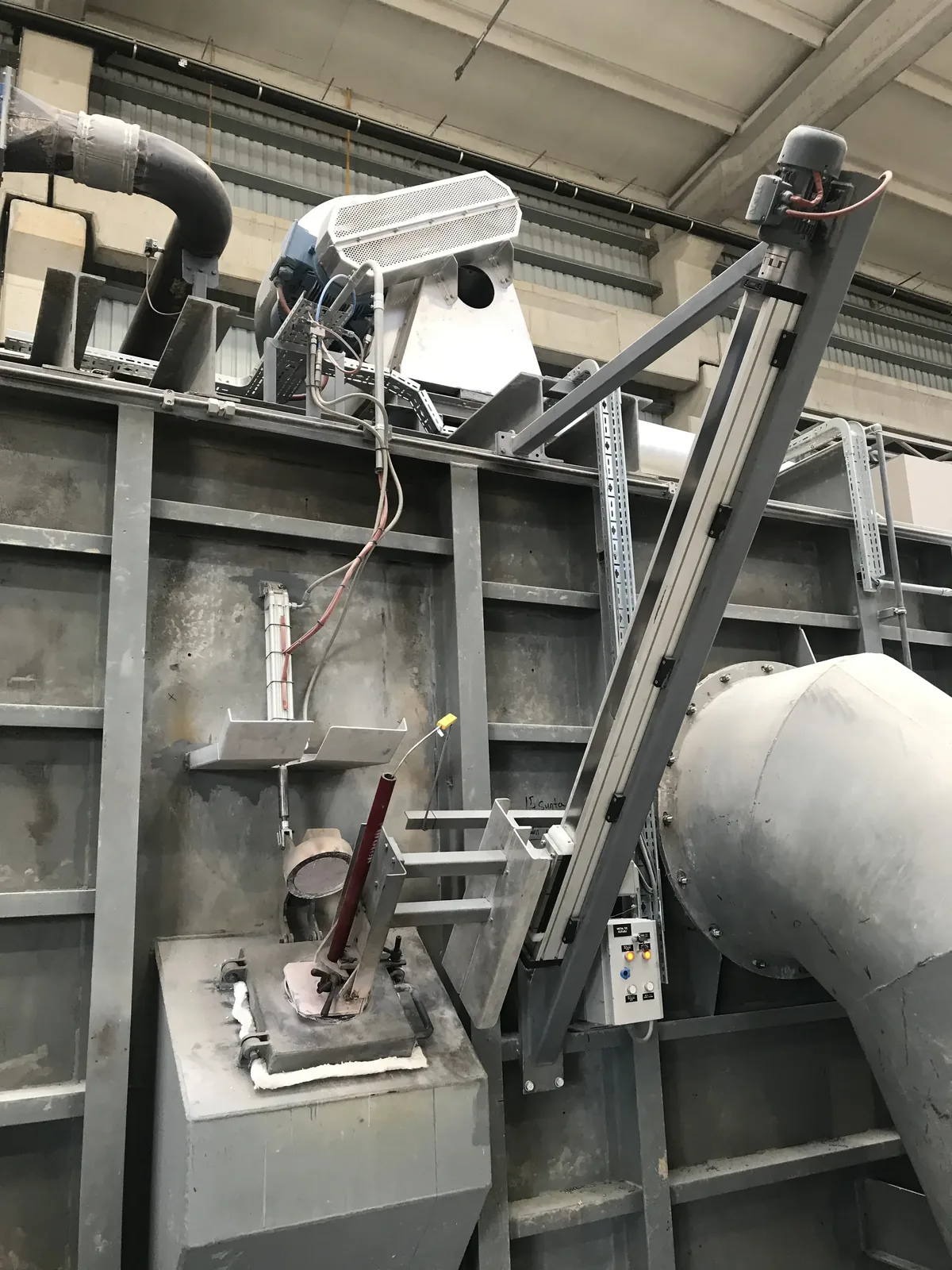
- Motorised damper; positions itself automatically according to the pressure inside the furnace
- Temperature measurement
- Separate thermocouple groups for the bath and the furnace atmosphere
- Refractory lining
- Project-specific specification — door, sill and bath zone are selected separately
- Metal tapping
- Hydraulic tilting · heated launder line · ladle filling
- Control
- PLC: combustion management, bath temperature, damper position and charge synchronisation from a single panel
- Energy recovery
- 20–25% reduction in fuel consumption with a regenerative system
- Retrofit
- The combustion system and automation of an existing furnace can be refurbished
Single chamber or twin chamber?
A single-chamber furnace takes up less space and is cheaper to install, but the bath temperature fluctuates while melting is under way: the moment cold scrap is charged, the temperature of the metal going to casting drops as well. In a twin-chamber design, melting takes place in a separate chamber and the holding chamber waits at a constant temperature; the casting line never sees this fluctuation. The difference widens as the scrap ratio rises. In a plant that mainly melts ingots, a single chamber is often enough; in a plant that casts continuously with variable scrap, the twin-chamber design pays for itself quickly.
We deliver the same body in five different configurations
Single-Chamber Fixed Furnace
The simplest solution for ingot-heavy charges and medium capacity. Melting and holding in a single chamber; it takes up less space and the installation cost is low.
Twin-Chamber Furnace
Melting and holding in separate chambers. The standard choice for continuous casting lines: while the charge melts on one side, the other side holds the cast-ready metal at temperature.
Tilting Furnace
Smooth transfer to the ladle or launder by hydraulic tilting. The risk of dross getting into the ladle, and of the molten metal picking up air, is reduced.
Charging and Feeding Assembly
Charging car, basket and door automation. It shortens the time the door stays open; details are on the Charging and Cleaning Systems page.
Combustion System Retrofit Package
On furnaces whose body is sound but whose burner and controls are old, only the combustion side is renewed. Efficiency rises without the cost of a new furnace.
Four things set this furnace apart
We design the furnace around your scrap
The furnace is sized to the scrap-to-ingot ratio in your charge. Door size, bath depth and flue capacity vary with this ratio.
Casting temperature stays constant
In the twin-chamber design, the holding chamber is not affected by melting. The temperature of the metal going to casting stays within the same band throughout the shift.
We recover heat from the flue
In a regenerative burner, the heat of the flue gas is transferred to the combustion air. The range measured on the burner side is 20–25% fuel saving.
Retrofits onto an existing furnace
On a furnace with a sound body, renewing the burner assembly and automation costs only a small fraction of a new furnace investment; the 20–25% fuel gain remains the same.
Explore the technical documents and catalogues
We answer frequently asked questions
about melting furnaces
Daily casting tonnage alone is not enough; the number of shifts, the ratio of scrap to ingot and the waiting times between casts also have to be taken into account. If you share this information, we will work out the capacity recommendation.
Yes, but the flue line and the combustion system have to be designed for it. If the share of dirty scrap in your charge is high, we size the furnace for that profile from the start; adding it later is much harder.
No. It pays for itself quickly in continuously operating, high-capacity furnaces; in a small furnace that runs a few hours a day the payback period is longer, and a recuperative system is the more balanced choice. We do the calculation with the actual operating hours of the furnace.
Yes, if the body and the steel structure are sound. The combustion system of the melting and holding furnaces at Panda Aluminium was renewed in this way. After a site survey, we give you in writing what stays and what is replaced.
Yes, as part of our service scope. The lining specification is selected according to the operating temperature of the furnace and the type of charge; a wrong specification directly affects both lining life and fuel consumption.
Which line is this furnace part of, and what equipment runs alongside it?
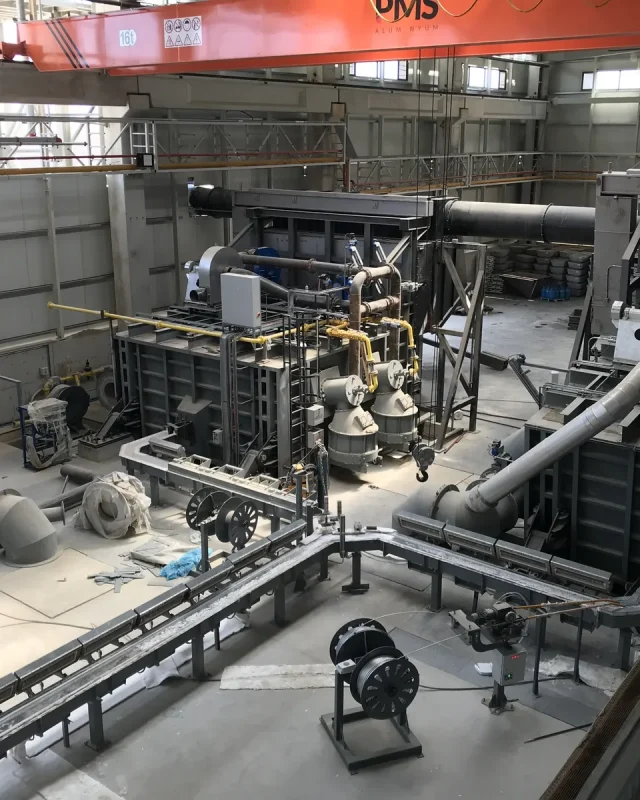
Melting and Holding Furnaces
How is the line built when the furnace, charging machine, combustion system and automation come from a single project?
DISCOVER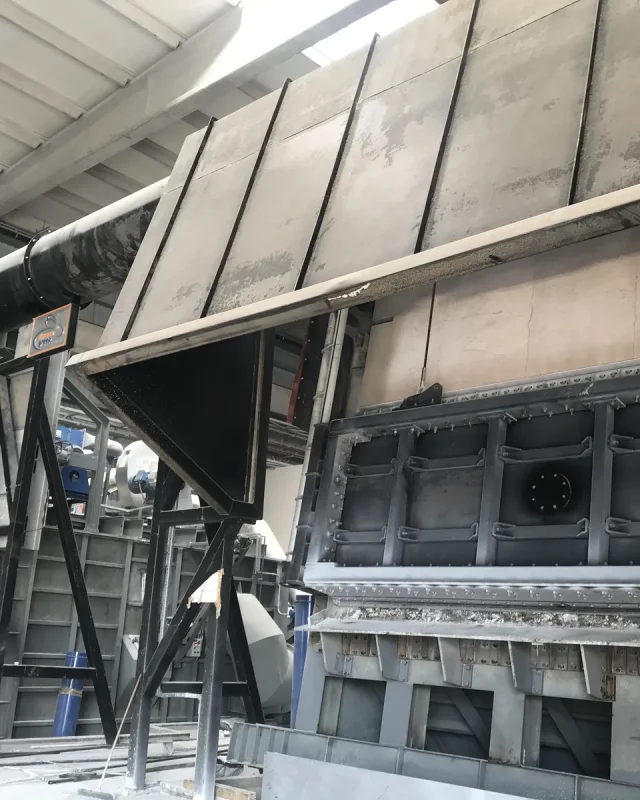
Charging & Cleaning Systems
Automatic charging car, bucket and dross skimming; a cycle that shortens how long the door stays open.
DISCOVER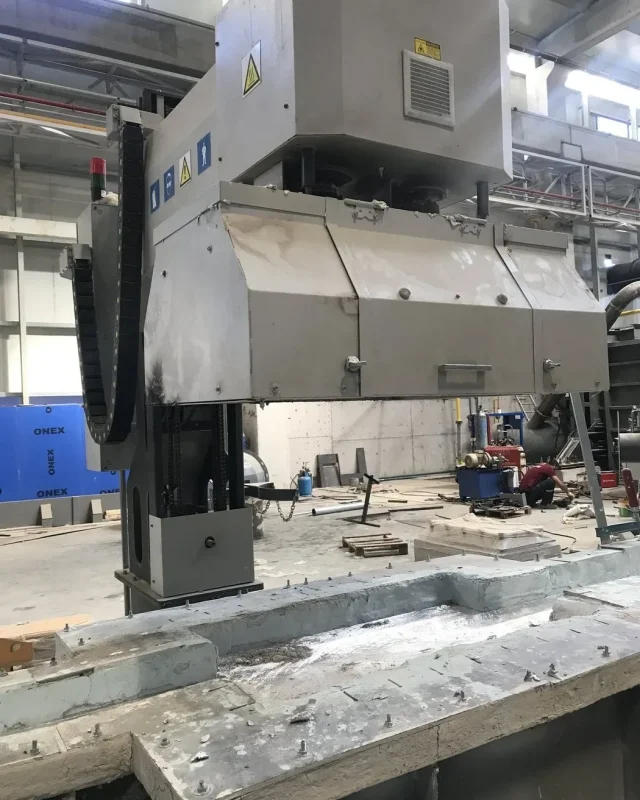
Degassing & Filtration
Hydrogen and oxide residue are removed from the metal leaving the furnace before it reaches casting.
DISCOVER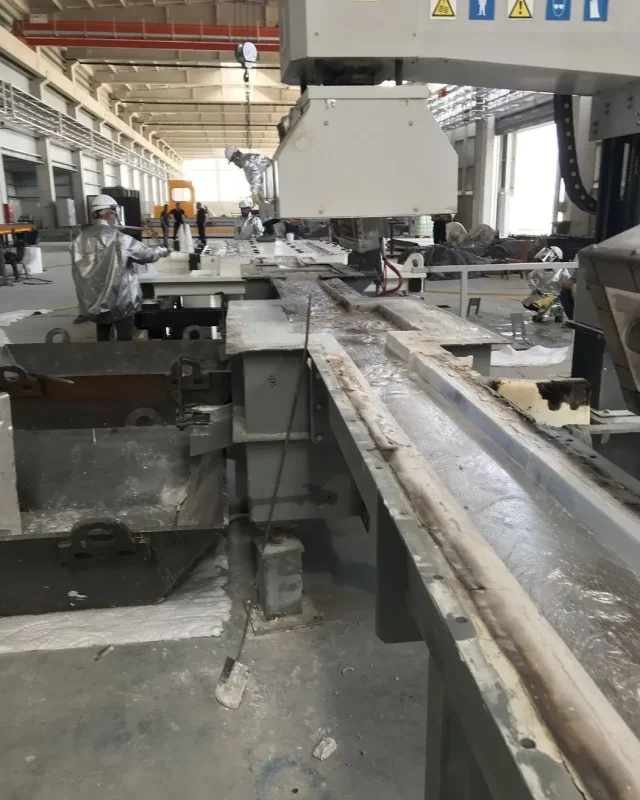
Metal Quality and Refining
The line that keeps the metal clean from furnace to casting: degassing, filtration, launder.
DISCOVERTell us about your charge and we will work out the furnace
How many tonnes do you cast per shift, what is the ingot-to-scrap ratio in your charge, and how much space do you have in the furnace room? With these three pieces of information, we work out the capacity and body recommendation.
Request a Quote