
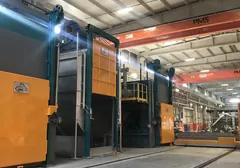
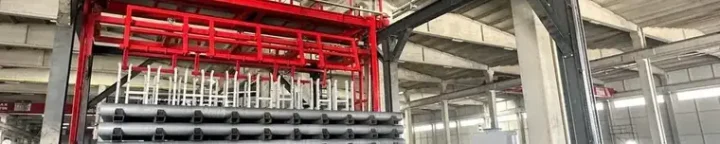
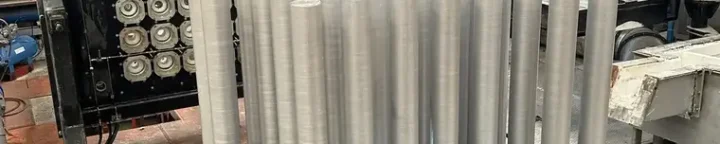
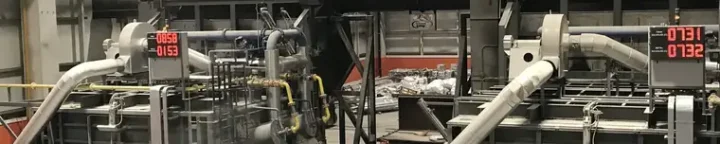
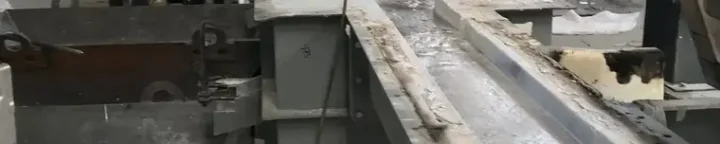
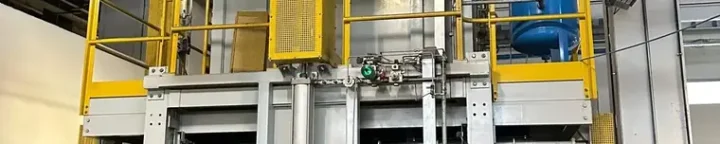
We build car-bottom furnaces from 1 tonne to over 100 tonnes
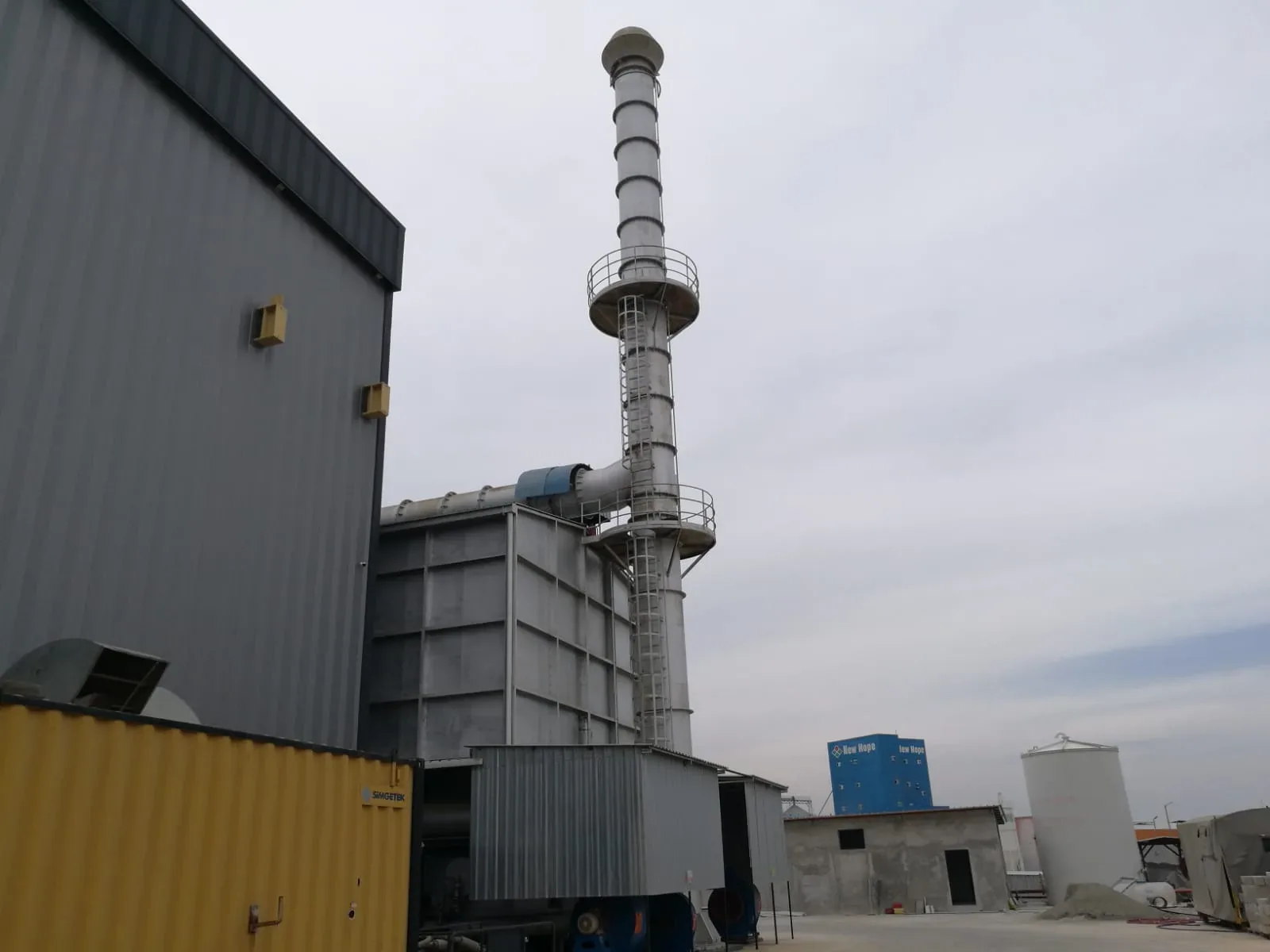
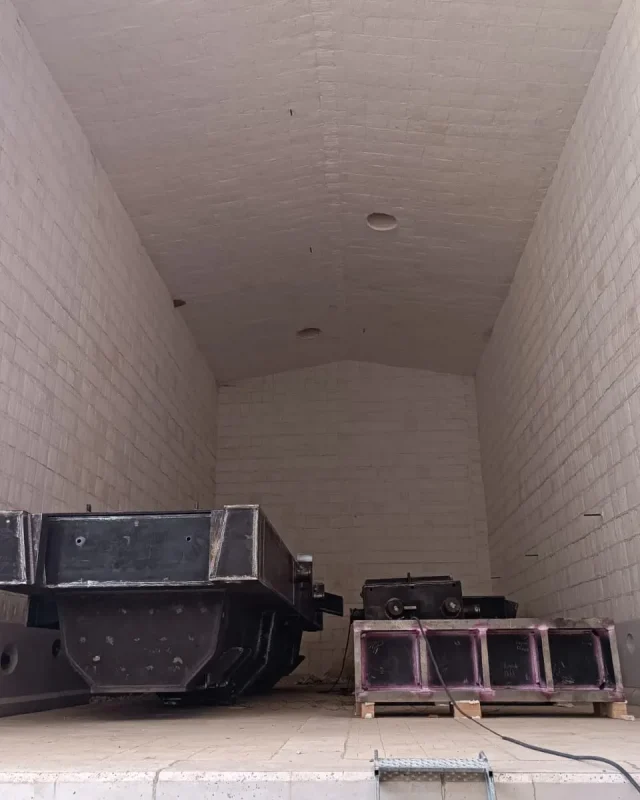
For the heat treatment of large, heavy steel parts, we build bogie hearth furnaces that are gas- or electrically heated, refractory-lined and PLC-controlled. The load is prepared outside the furnace, on the car; any part that can be moved by crane or forklift can enter the furnace. We build them for foundries, steel processors and manufacturers of welded fabrications.
- Type
- Car-bottom, batch-type
- Temperature
- 200 – 1,250 °C
- Capacity
- 1 – 100+ tonnes
- Heating
- Gas or electric
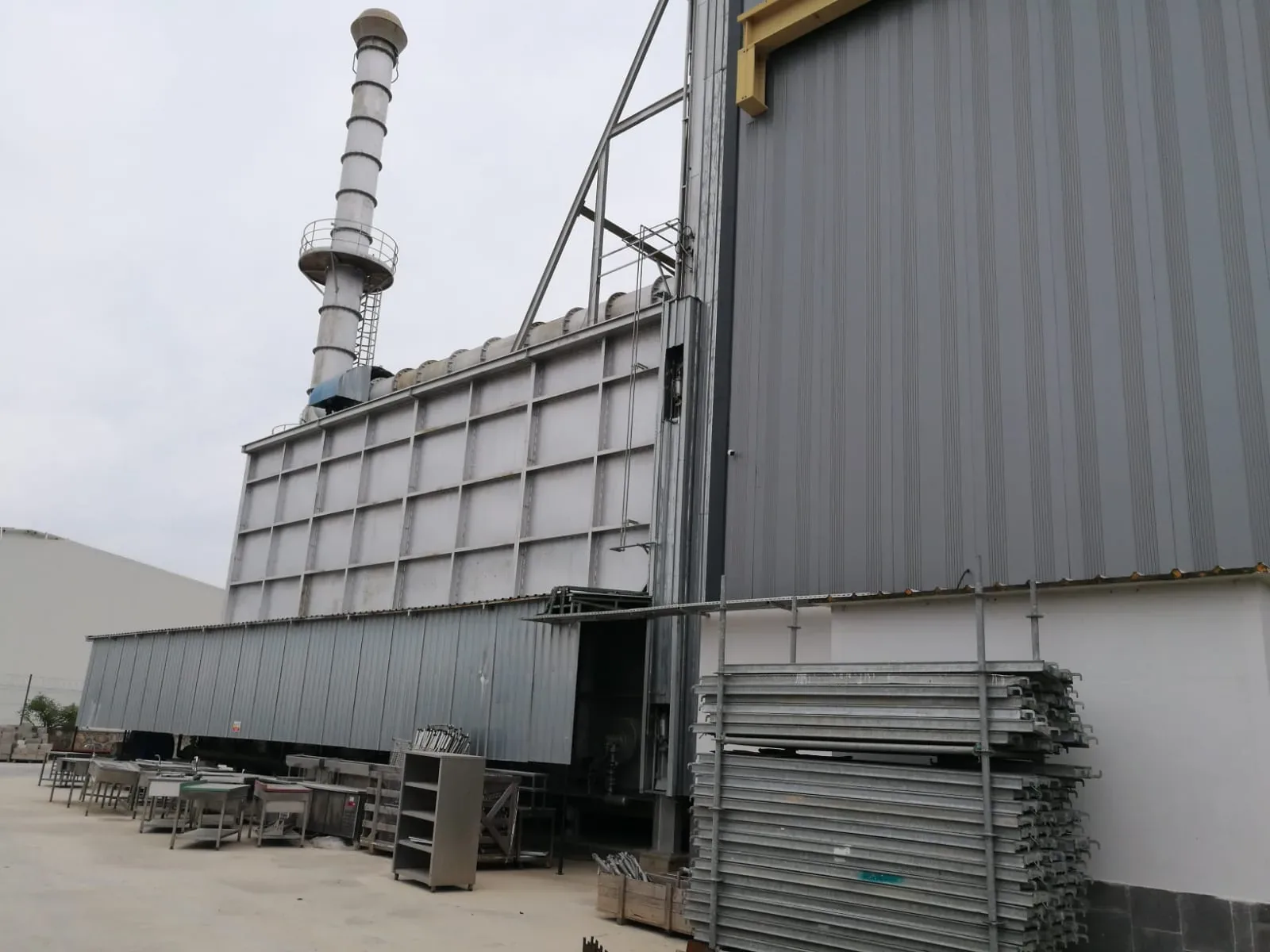
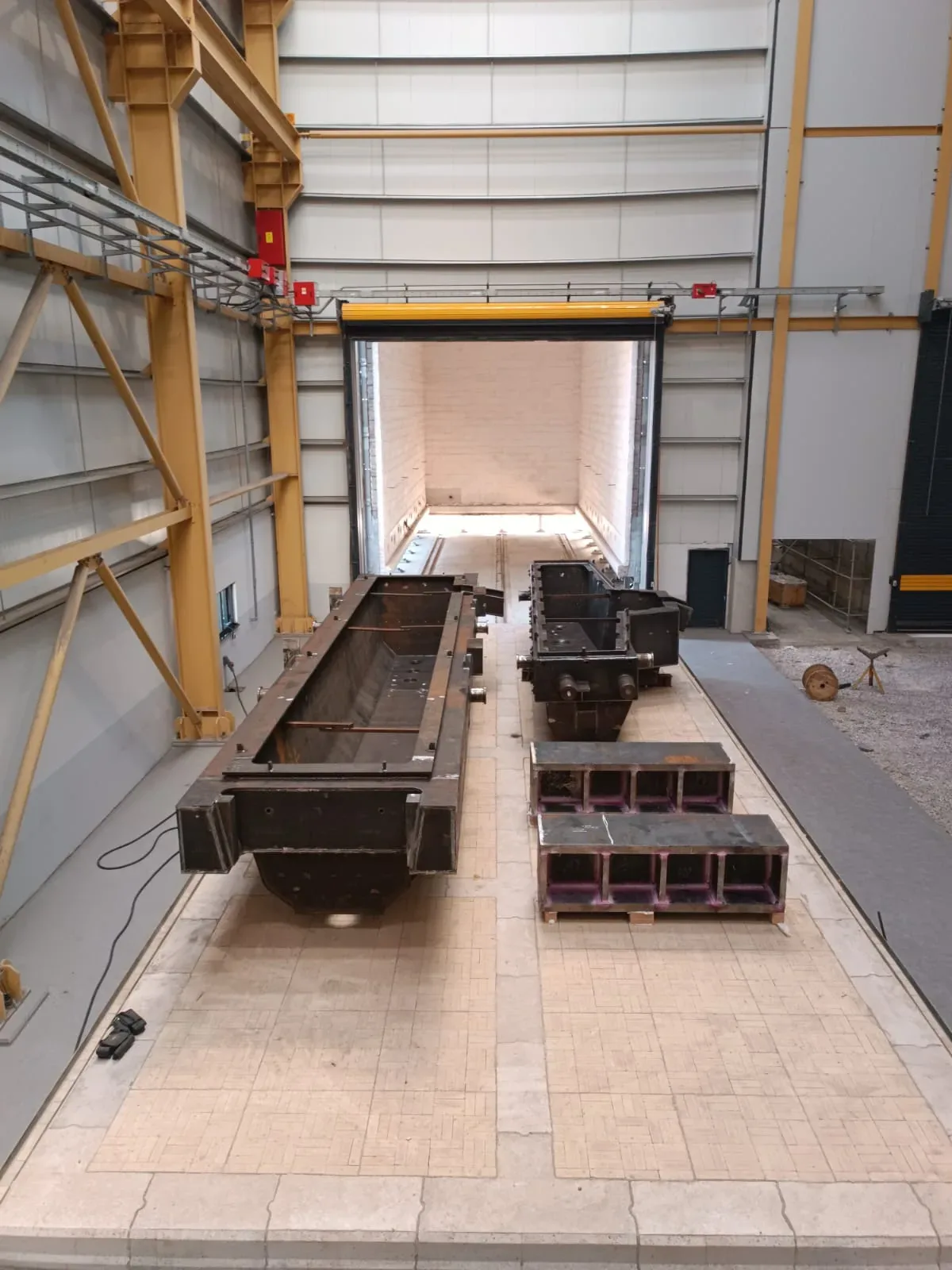
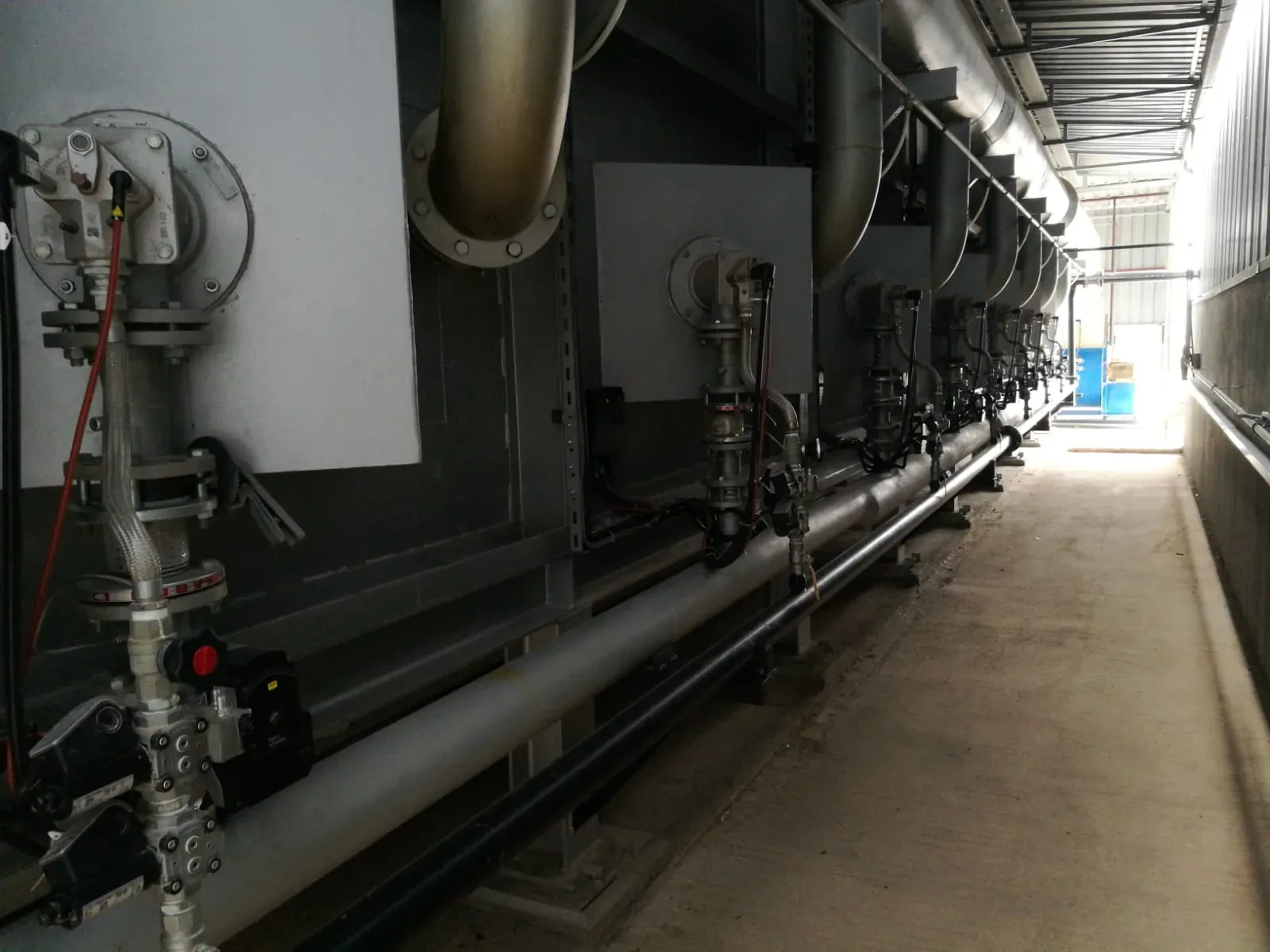
Bogie hearth furnace technical specifications
- Furnace type
- Bogie hearth (car-bottom), batch-type
- Operating temperature
- 200 – 1,250 °C
- Load capacity
- 1 – 100+ tonnes
- Heating
- Gas-fired or electric resistance
- Loading
- Car outside the furnace; by crane or forklift
- Processes applied
- Full annealing · normalising · stress relieving · preheating
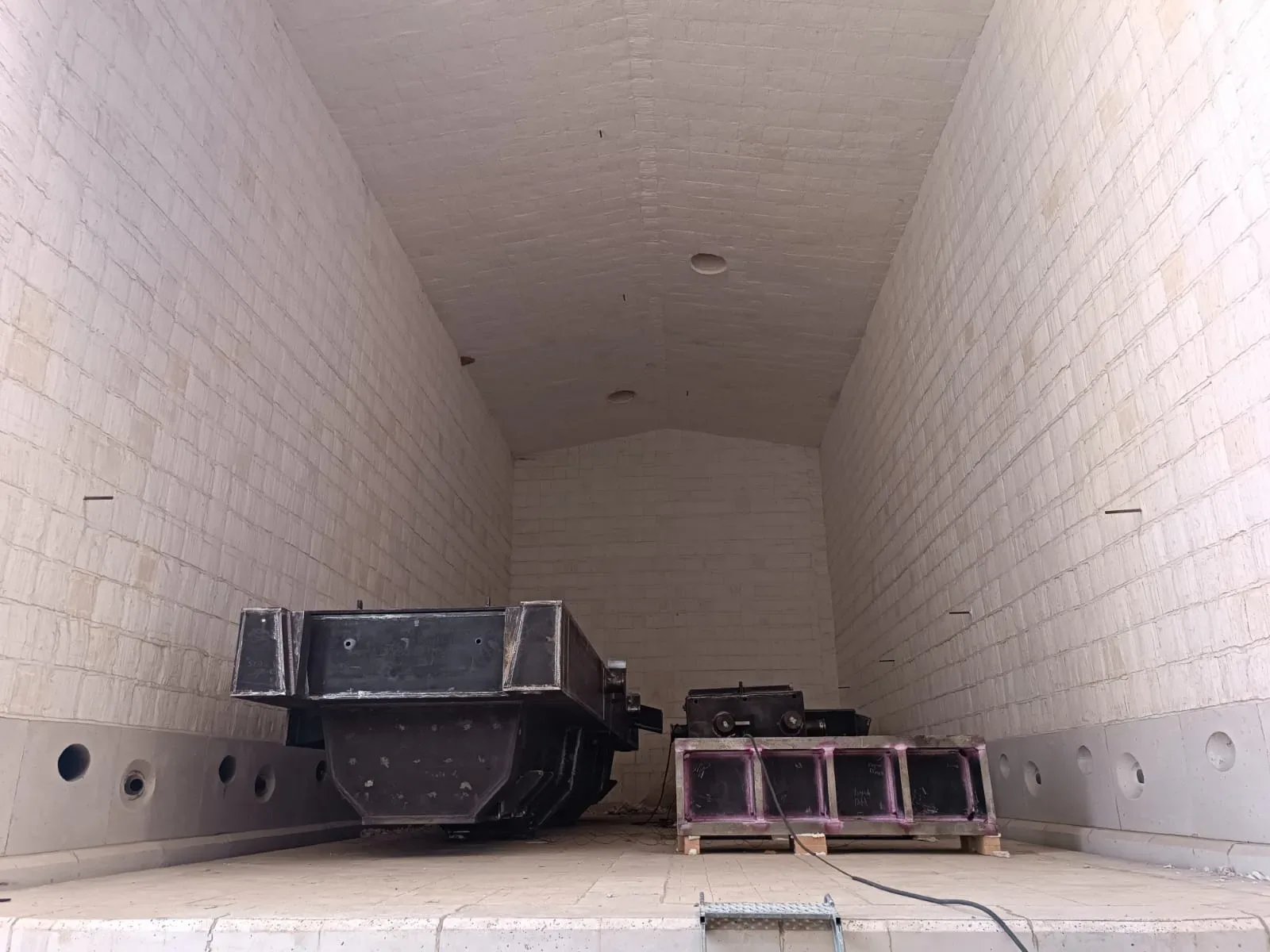
- Refractory lining
- Project-based specification — the car hearth is designed separately
- Sealing
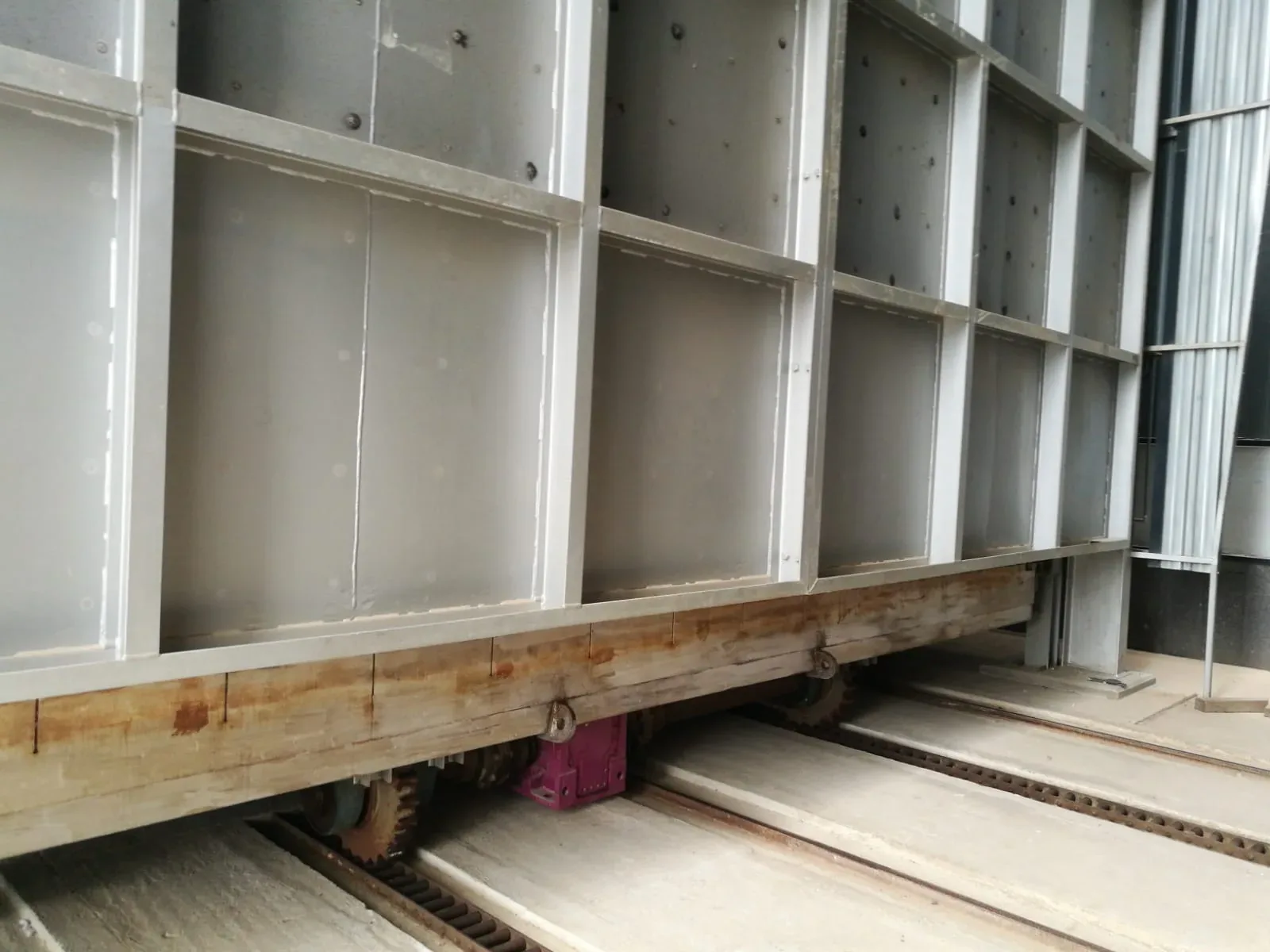
- Sand-sealed or gasketed door and car sealing
- Energy recovery
- Recuperator option (recommended at high capacity)
- Control
- PLC: material-based heat treatment recipes
- Certification
- Temperature record and heat treatment certificate for each load
Which processes are carried out in this furnace?
Full annealing relieves internal stress after cold forming and reduces hardness. Normalising refines the grain structure and makes it homogeneous. Stress relieving removes welding or fabrication stresses, and the dimensional stability of a welded fabrication depends on it. Preheating warms large-section castings and forgings before processing. All four can be carried out in the same furnace; what separates them is temperature, soak time and cooling method. Because these three are defined in the PLC recipe, the only thing that changes from part to part is which program is called.
We choose the body to suit your part size and the heating to suit your process
Gas-Fired Bogie Furnace
For high capacity and continuous use. Fuel consumption drops noticeably when a recuperator is added on the flue side.
Electric Bogie Furnace
For work that needs a cleaner atmosphere and precise control. Preferred at small and medium capacities and for parts where surface quality is critical.
Recuperator Configuration
Heat recovery from flue gas. Pays for itself quickly in high-capacity furnaces that run continuously.
Twin-Car Installation
While one car is being processed in the furnace, the other is being loaded. The furnace’s idle waiting time is shortened.
Relining
For existing furnaces; details are on the Service and Maintenance page. The lining is measured, and relining is planned zone by zone, starting from the hot zone.
Four things set this furnace apart
Part size sets no limit
The load is prepared outside the furnace, on the car. Any part you can lift with a crane can enter the furnace.
All four heat treatments run in the same furnace
Annealing, normalising, stress relieving and preheating in the same furnace. The only difference is the recipe that is called.
The certificate comes out with the load
The temperature record of every load becomes a heat treatment certificate, to EN, ASTM or customer standards.
Lining life is calculated
The refractory specification is selected according to operating temperature and loading method. Relining support is part of the service scope.
Explore the technical documents and catalogues
We answer frequently asked questions
about bogie hearth furnaces
By the largest dimension of the part rather than by tonnage. The furnace volume is set so that enough circulation clearance is left around the largest part. If you share your part drawing and annual tonnage, we work out the size together.
At high capacity and in continuous operation, gas is generally more economical. Electric gives a cleaner atmosphere and finer control; it is preferred at small to medium capacity and where surface quality is critical.
No. It pays for itself in high-capacity furnaces that run continuously; in a small furnace that runs only occasionally, the payback period is longer. We do the calculation using the furnace’s actual operating hours.
Operating temperature, cycle frequency and loading method. The lining specification is selected according to these three; a wrong specification directly affects both lining life and fuel consumption. We carry out relining within the service scope.
Which equipment runs alongside this furnace?
Annealing & Normalising
The process carried out in the same furnace: annealing, normalising and cooling recipes.
DISCOVER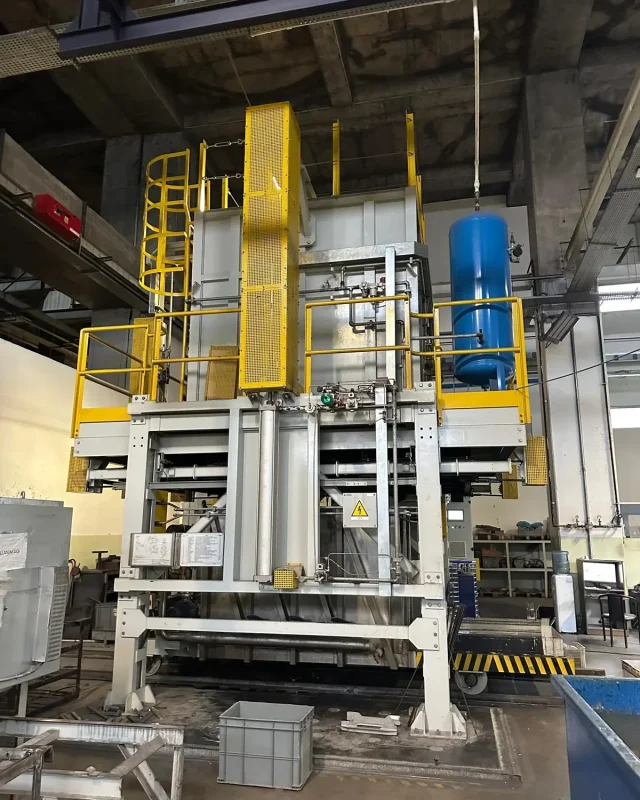
Steel and Heat Treatment
Which equipment makes up the furnace line in plants that process steel?
DISCOVER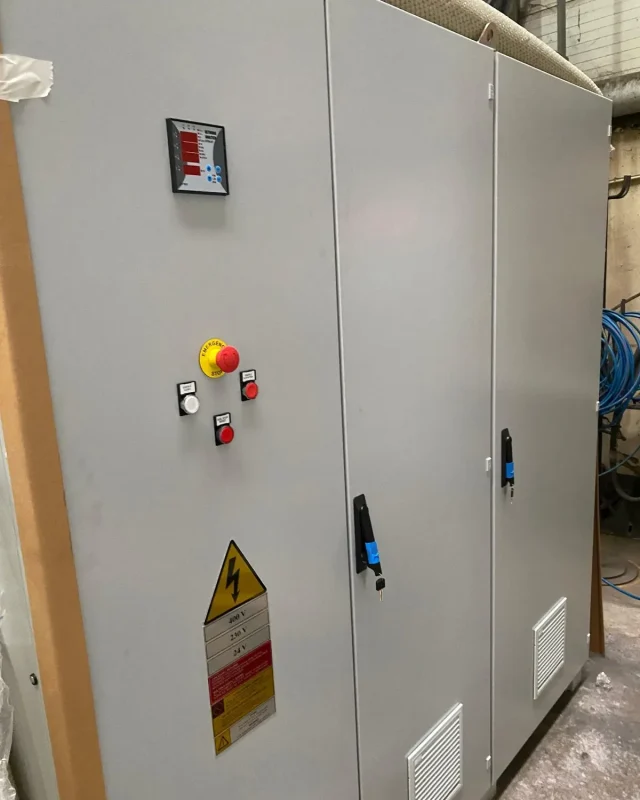
PLC & SCADA Systems
The control side that stores the recipe, records the data and produces the certificate.
DISCOVER
Service and Maintenance
Refractory relining, burner refurbishment and scheduled maintenance.
DISCOVERSend us the drawing of your largest part
Furnace volume is determined by part size rather than tonnage. Share the drawing and your annual tonnage; we will work out the capacity and heating type together.
Request a Quote