
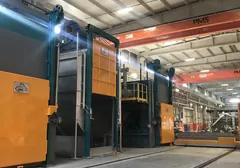

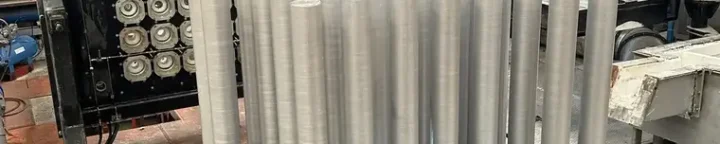
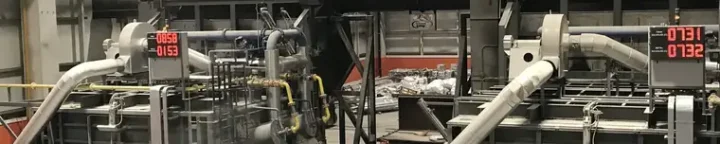

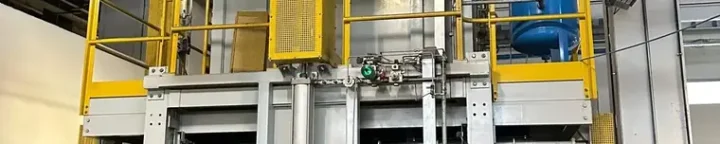
We size inline degassing and filtration units to suit your line
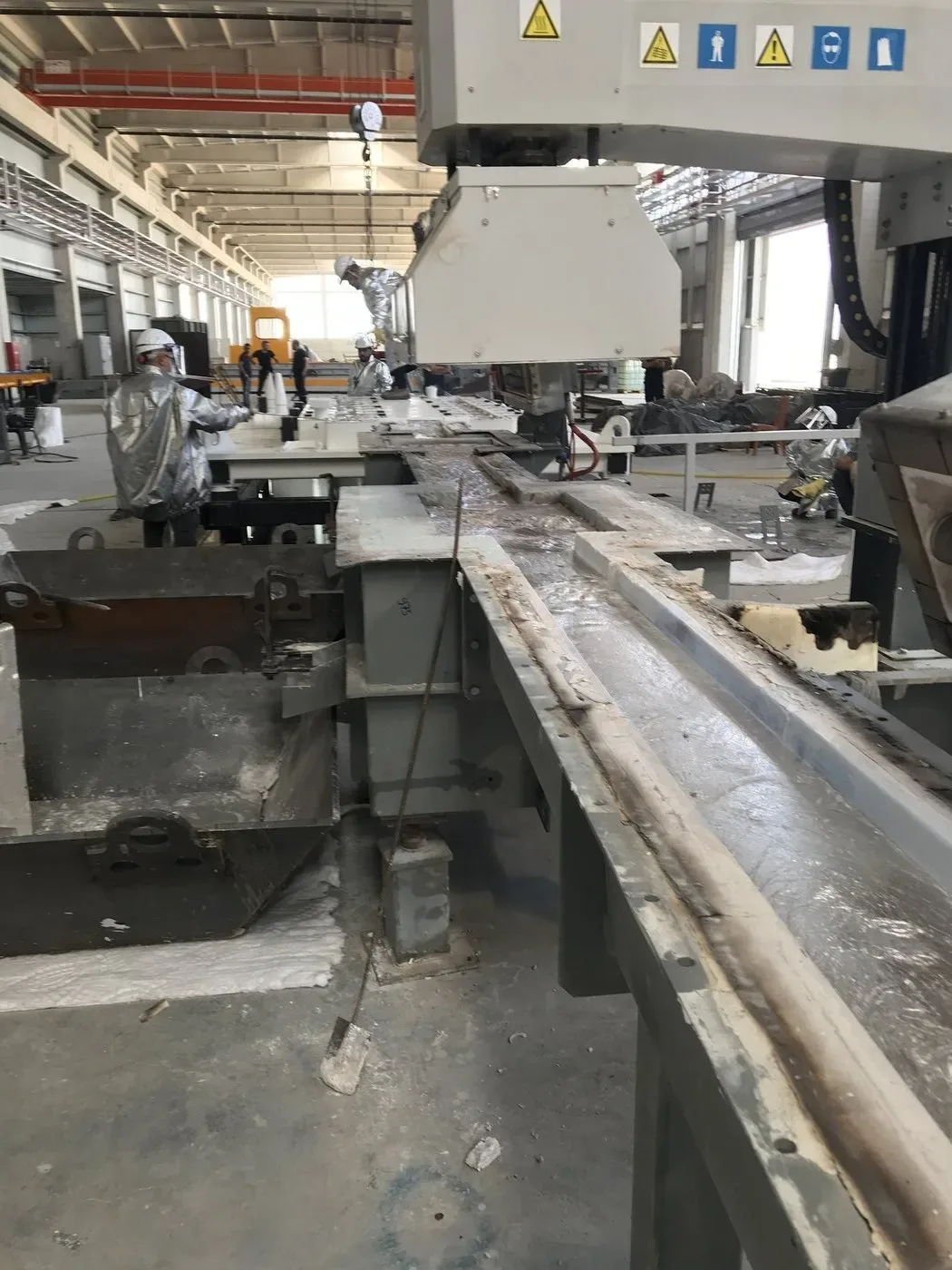
On the line, we remove dissolved hydrogen from molten aluminium with the rotor, and oxides and inclusions with the ceramic foam filter. The unit is installed between the furnace and the casting pit; with the heated launder option, the metal reaches the pit without losing temperature.
- Method
- Rotary inline
- Purge gas
- N₂ or Ar
- Filter
- CFF 30–50 ppi
- Position
- Between melting and casting
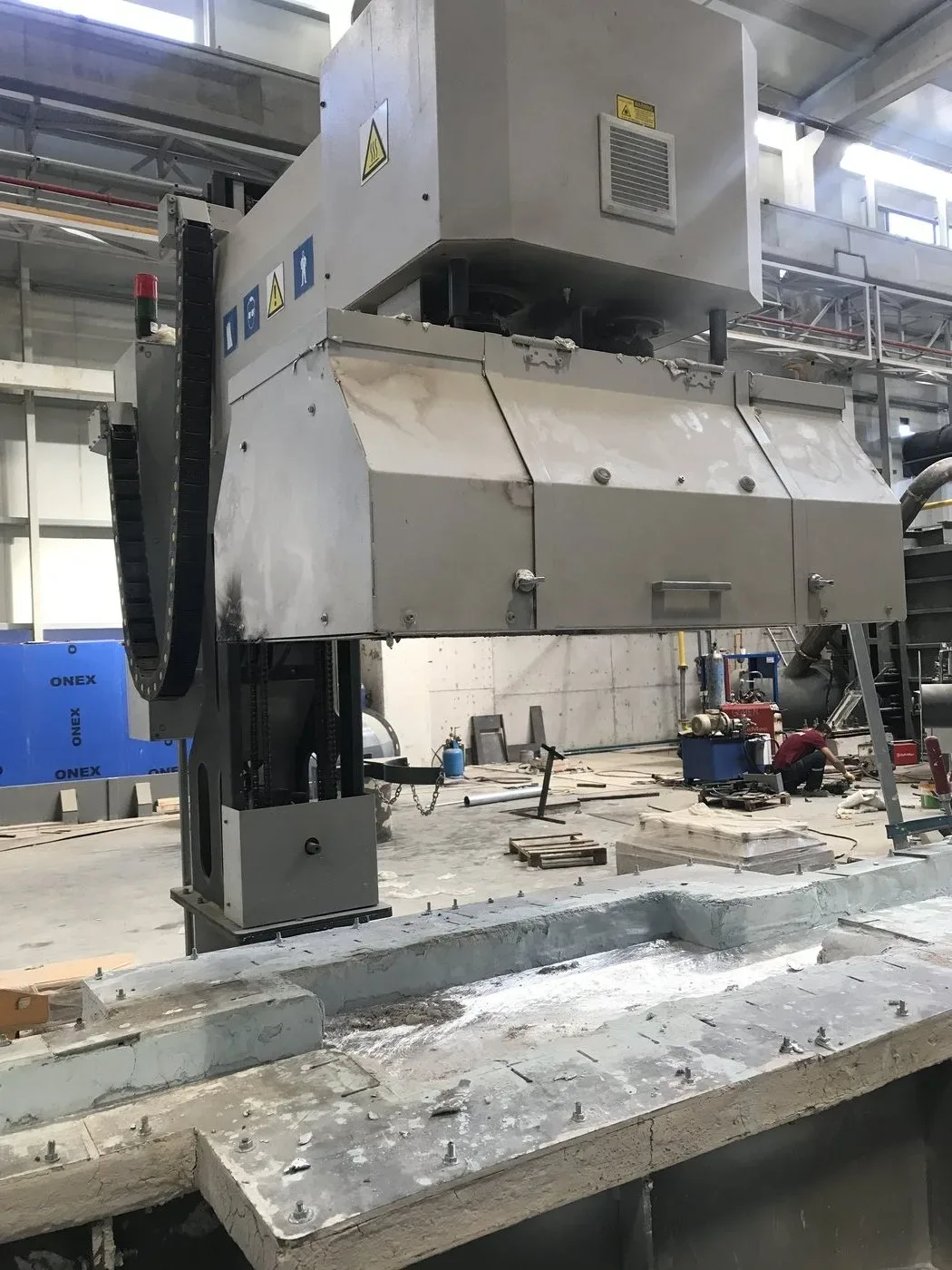
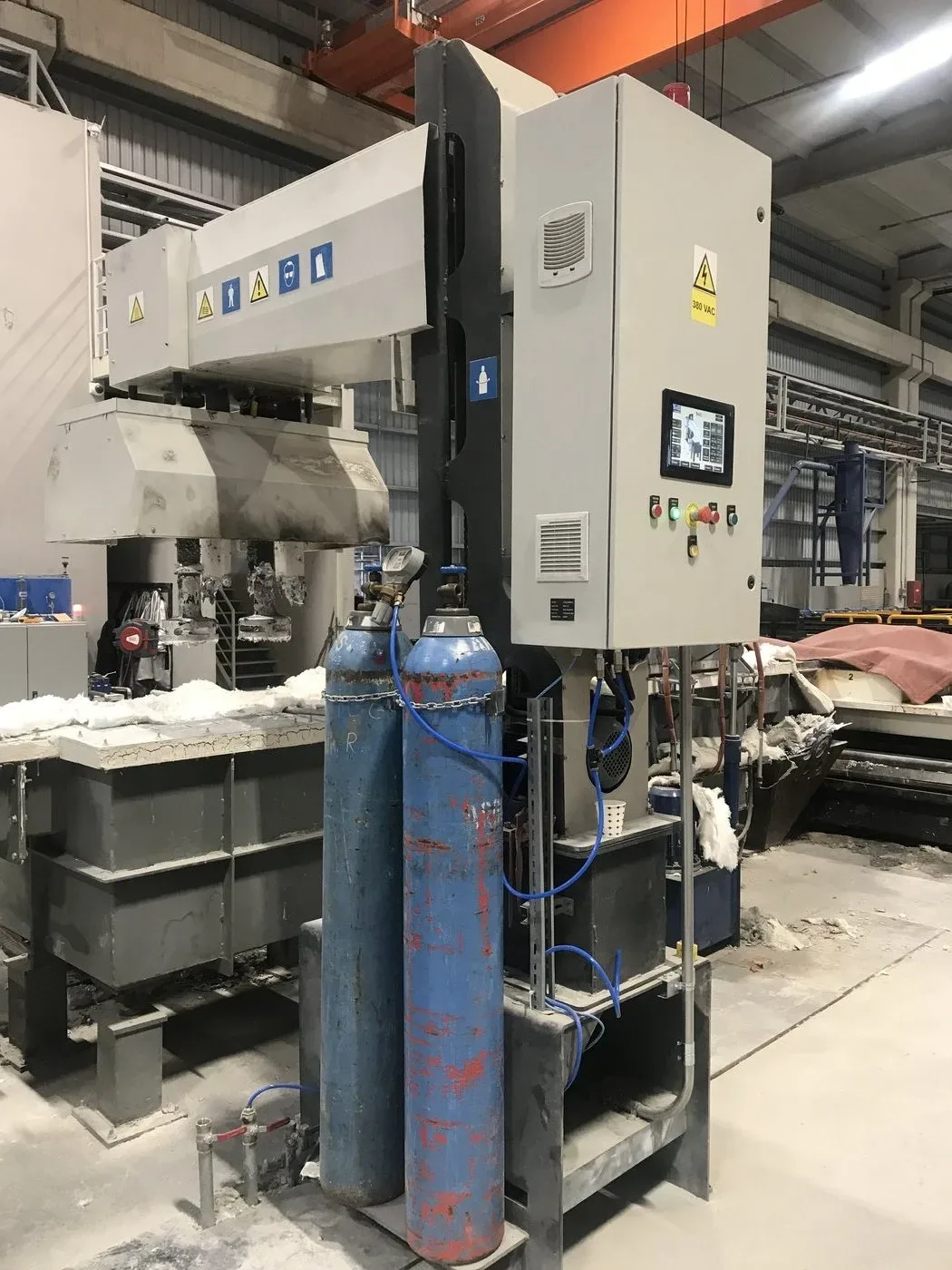
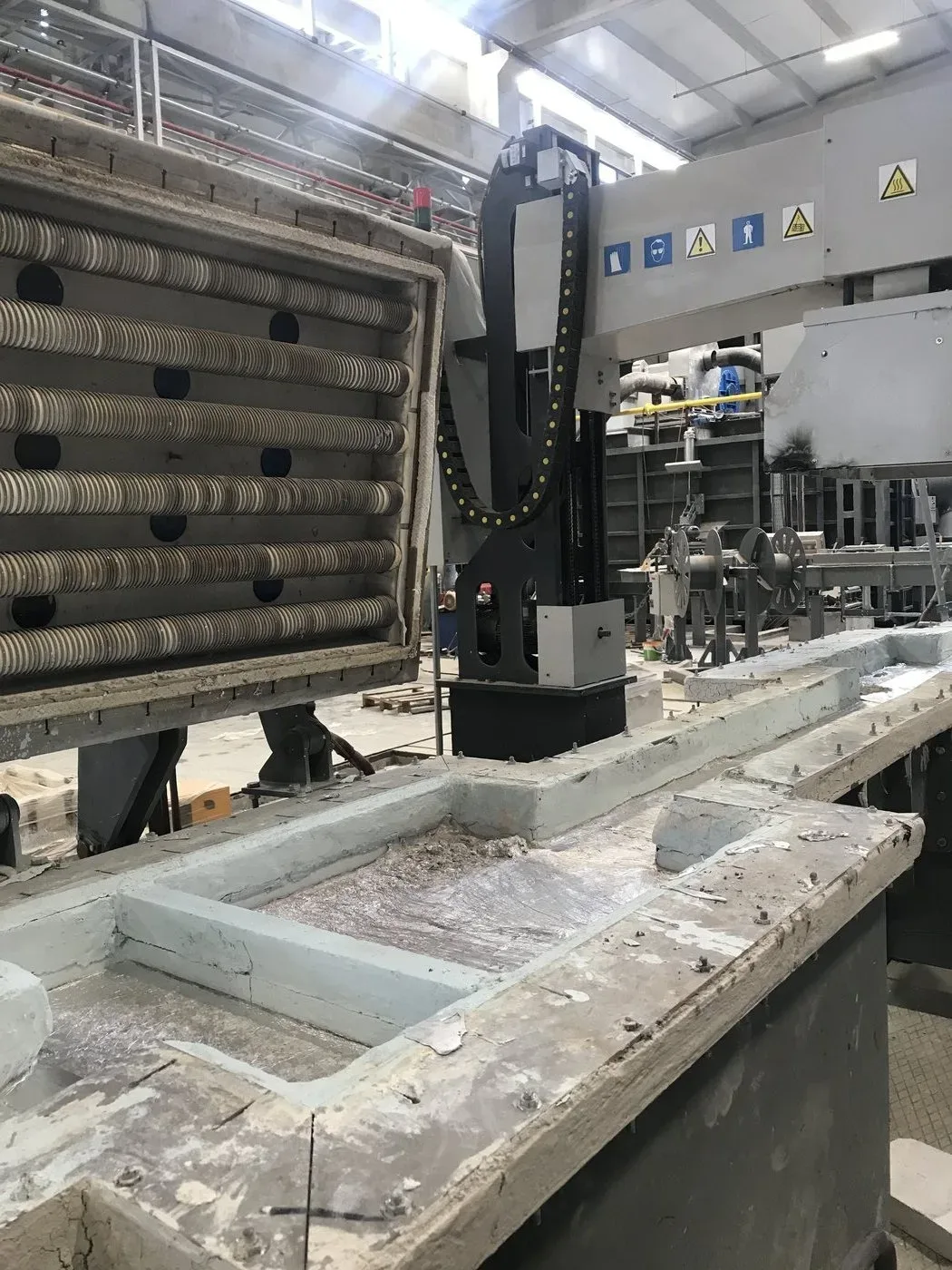
Inline degassing unit technical specifications
- Degassing method
- Rotary inline degasser: gas injection through a rotating rotor
- Purge gas
- Nitrogen (N₂) or argon (Ar)
- Target hydrogen
- Below 0.10 ml/100 g Al
- Filter type
- Ceramic foam filter (CFF), 30–50 ppi
- Filter box
- Refractory-lined, with a quick-change lid
- Launder line
- Heated or unheated — refractory-lined channel
- Control
- PLC: rotor speed and gas flow rate are linked to the casting speed
- Alloy compatibility
- 1xxx – 7xxx series
- Integration
- Shared PLC with the melting furnace and the casting machine
- Capacity
- Engineered for the casting flow rate of the line
- Maintenance
- The rotor is a standard spare part; the filter box is changed in place
- Retrofit
- Can be added to an existing launder line as a unit
Why is hydrogen a problem?
Molten aluminium picks up hydrogen from moisture in the air. As the metal cools, this gas loses its solubility and leaves microscopic voids inside the solidifying structure. The voids are invisible during casting; they show up as blisters on the profile surface in extrusion and as internal cracks in forging. Rotary degassing blows fine bubbles of inert gas into the metal; the hydrogen passes into these bubbles and is carried to the surface. With the right rotor speed and gas flow rate, the hydrogen level falls below casting standards.
We build the unit to the flow rate of the line and your hydrogen target
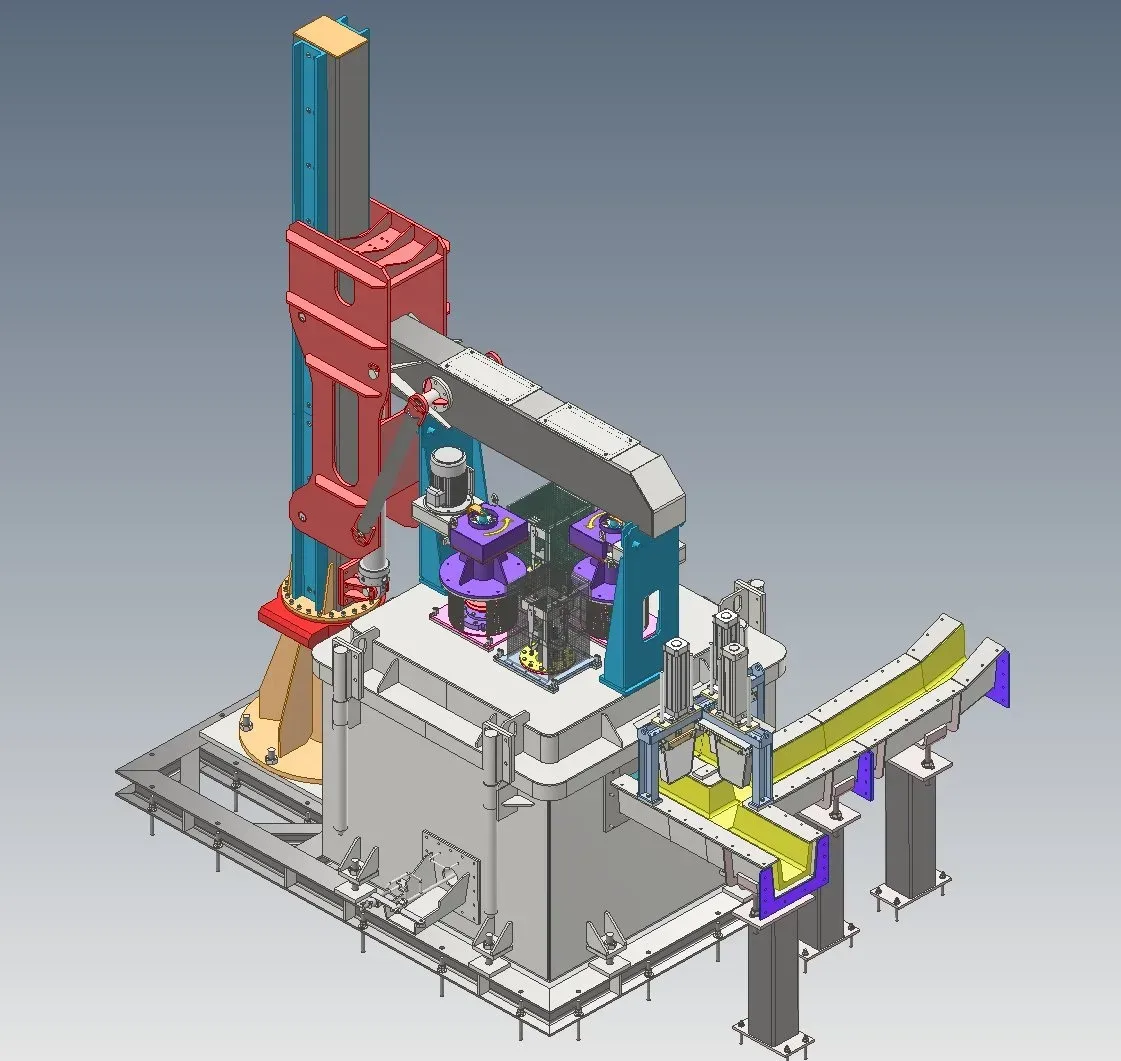
Single-Rotor Degasser
The standard configuration for medium-flow lines. A single rotor meets the hydrogen target of most extrusion and casting lines.
Twin-Rotor Degasser
For high-flow lines and for jobs with a tight hydrogen target. The metal passes through two stages, so contact time is maintained despite the flow rate.
Ceramic Foam Filter Box
Single- or two-stage. Pore density (ppi) is selected according to the alloy and the required cleanliness level; the box lid is opened between casts.
Heated Launder Line
If the distance between the furnace and the pit is long, the metal cools on the way. The heated channel keeps the temperature constant; the refractory lining preserves both the heat and the cleanliness of the metal.
Retrofit Package
Adding a degasser and filter box to an existing launder line. If the route of the line allows, the unit is inserted in between; if not, the launder is partly rearranged.
Four things set this unit apart
Stops porosity at the source
Rotary degassing removes hydrogen before the metal enters the mould. The proportion of micro-voids inside the billet falls.
Oxide stays in the filter
The 30–50 ppi ceramic foam filter retains oxide film and residue carried over from the surface. Clean metal enters the mould.
Temperature does not drop on the way
Thanks to the heated launder line, the metal stays in the same temperature band from the holding furnace to the casting pit.
Managed from the same panel
Rotor speed and gas flow rate are linked to the casting speed. The operator does not need to monitor a separate unit.
Explore the technical documents and catalogues
We answer frequently asked questions
about the degassing unit
Nitrogen is sufficient for most aluminium alloys and operating cost is markedly lower. For alloys with a high magnesium content, argon is preferred because of the risk of reaction. We build the unit to run on either; the gas decision can be changed later.
A ceramic foam filter works throughout a casting series and is changed at the end of the series; the duration depends on the cleanliness of the metal. We design the box so that the change can be made in a few minutes between casts.
The launder route is partly rearranged. We measure on site the distance and the level difference needed for the unit to fit in, and show the position of the degasser and filter box on the layout plan.
During commissioning, a sample is taken from the line, hydrogen is measured and the result is reported; rotor speed and gas flow rate are adjusted according to this measurement. For plants that want continuous measurement, integration of an on-line hydrogen analyser is assessed separately.
Which line is this unit part of, and what runs before and after it?
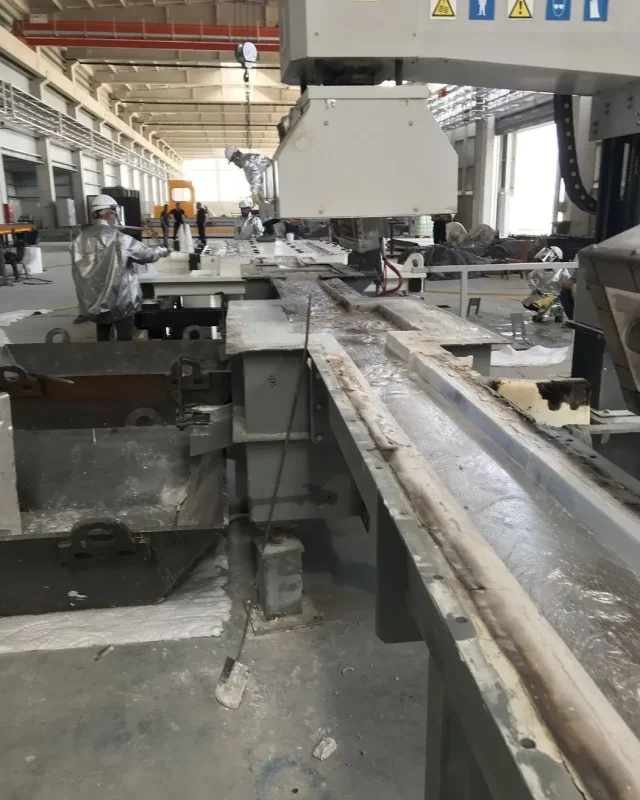
Metal Quality and Refining
The line that keeps the metal clean from furnace to casting: degassing, filtration, launder.
DISCOVER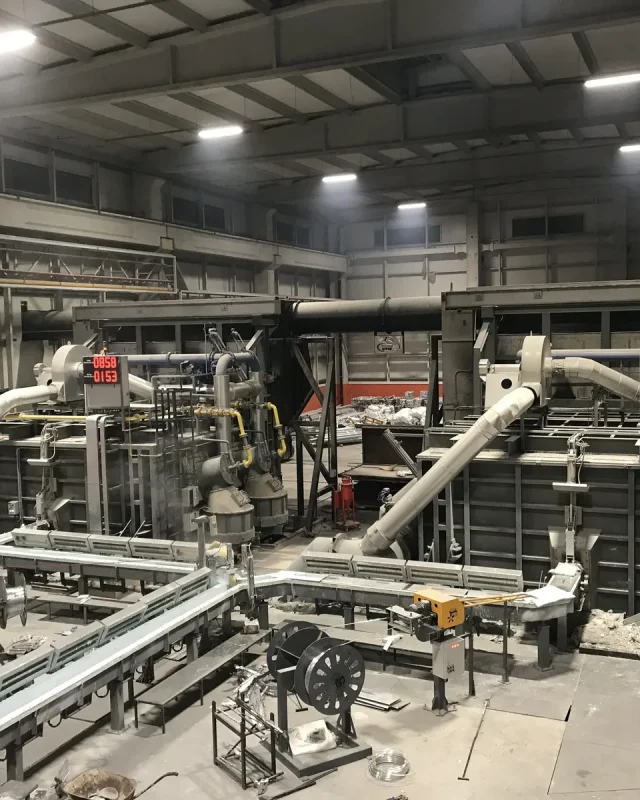
Melting & Holding Furnaces
The furnace that feeds metal to the unit: single- or twin-chamber body, regenerative burner, tilting transfer.
DISCOVER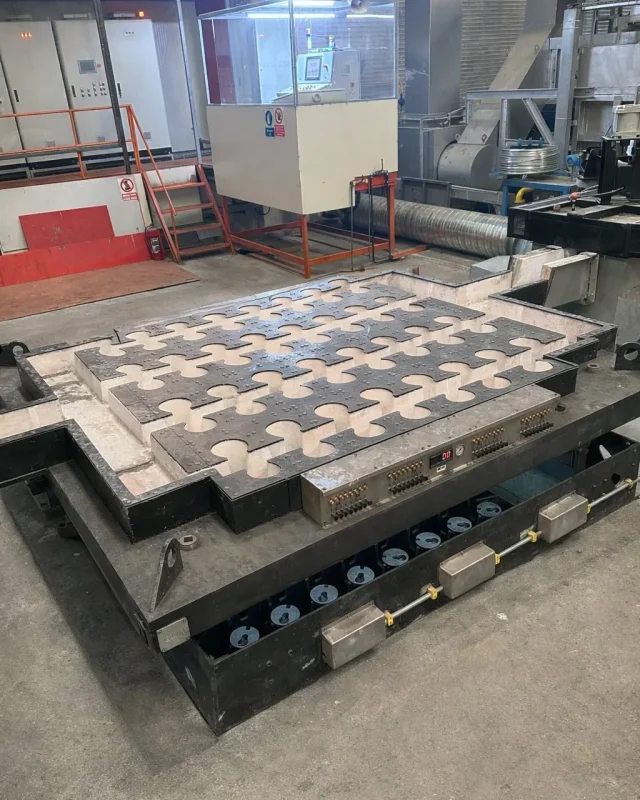
Vertical Casting Machine
Where the metal leaving the filter goes: the mould table, pit and cooling water control.
DISCOVER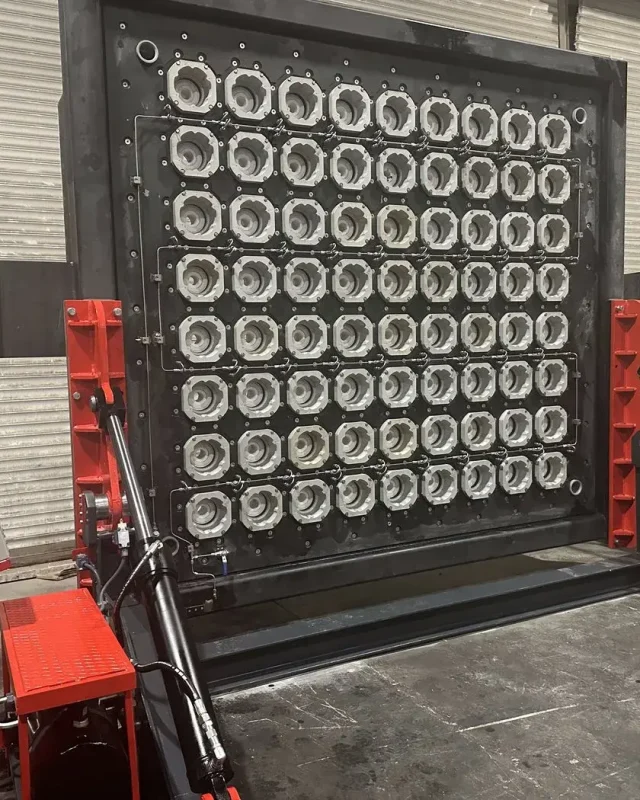
Billet Casting Line
How does the billet surface change when the pit, mould table and water control are built as a single system?
DISCOVERTell us your alloy and we will select the rotor
Which alloys do you cast, how many tonnes per hour pass through, and how many metres are there between the furnace and the pit? With these three pieces of information, we settle the number of rotors, the filter stage and whether the launder will be heated.
Request a Quote