
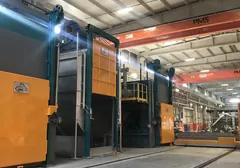

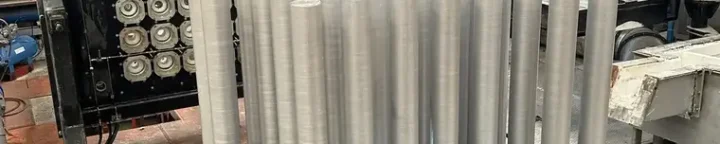
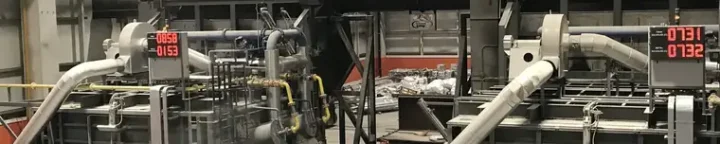

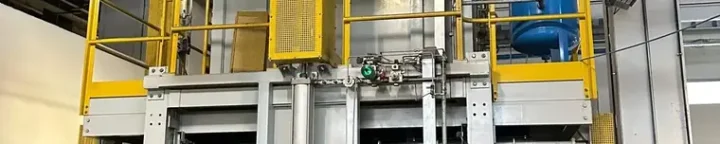
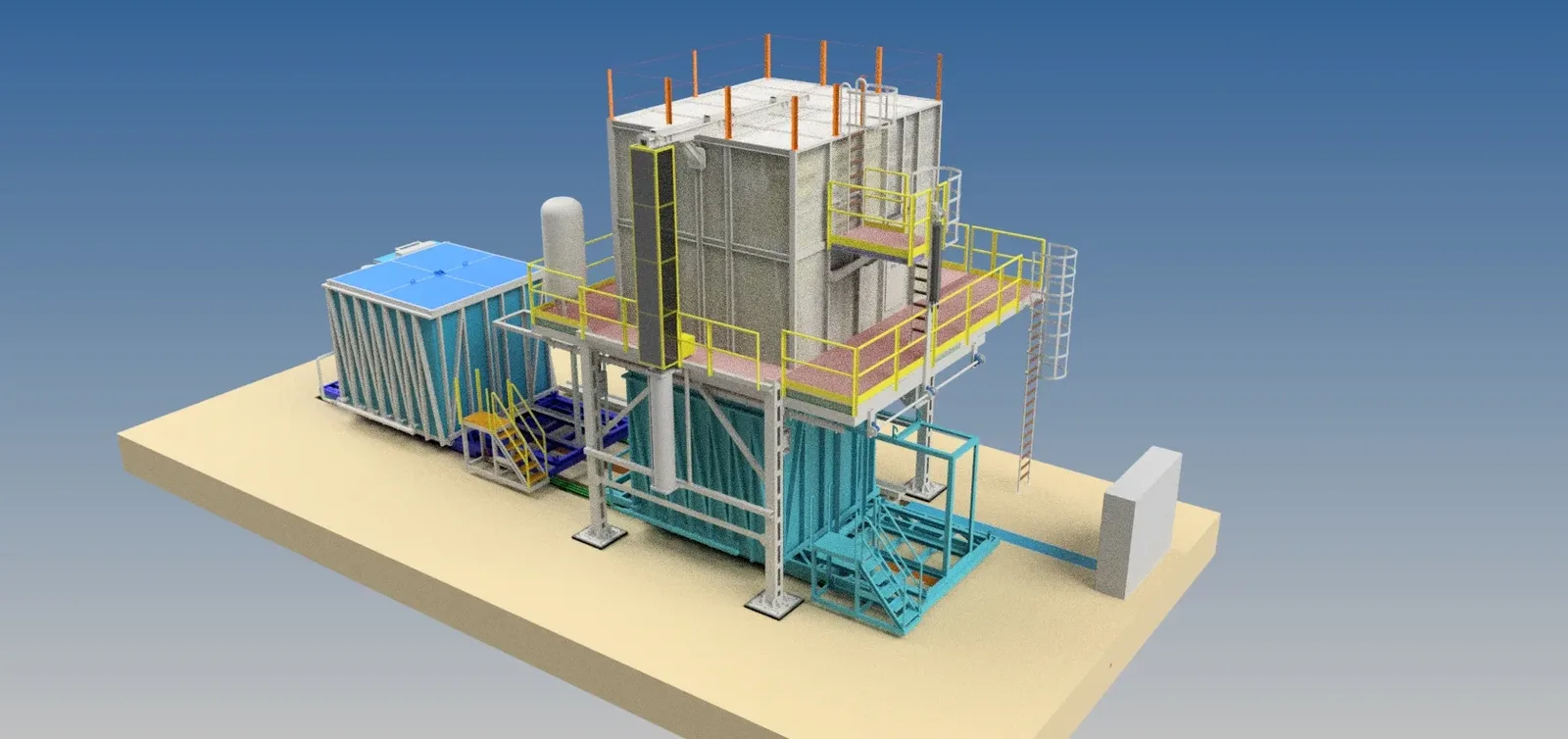
We build T5 and T6 heat treatment lines as three units
We deliver the solution treatment furnace, the quench unit and the ageing oven, the stages in which aluminium profiles and parts acquire their mechanical properties, under a single automation system. The line is planned so that it can start with one furnace and be completed later, and we draw the layout that way from the outset.
- Process
- T5 / T6
- Quench
- Water / air
- Uniformity
- ±5 °C
- Configuration
- Single unit / full line
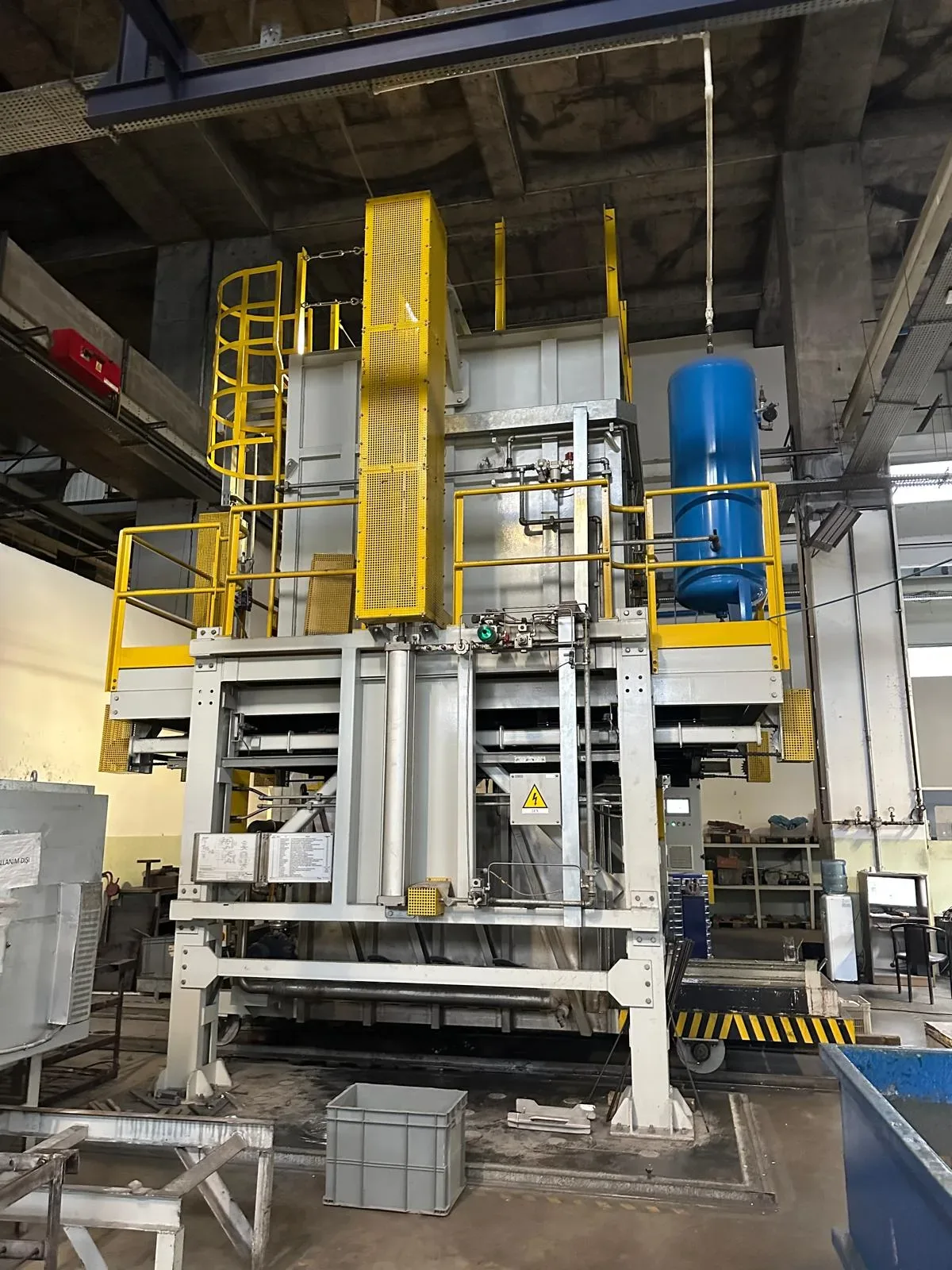
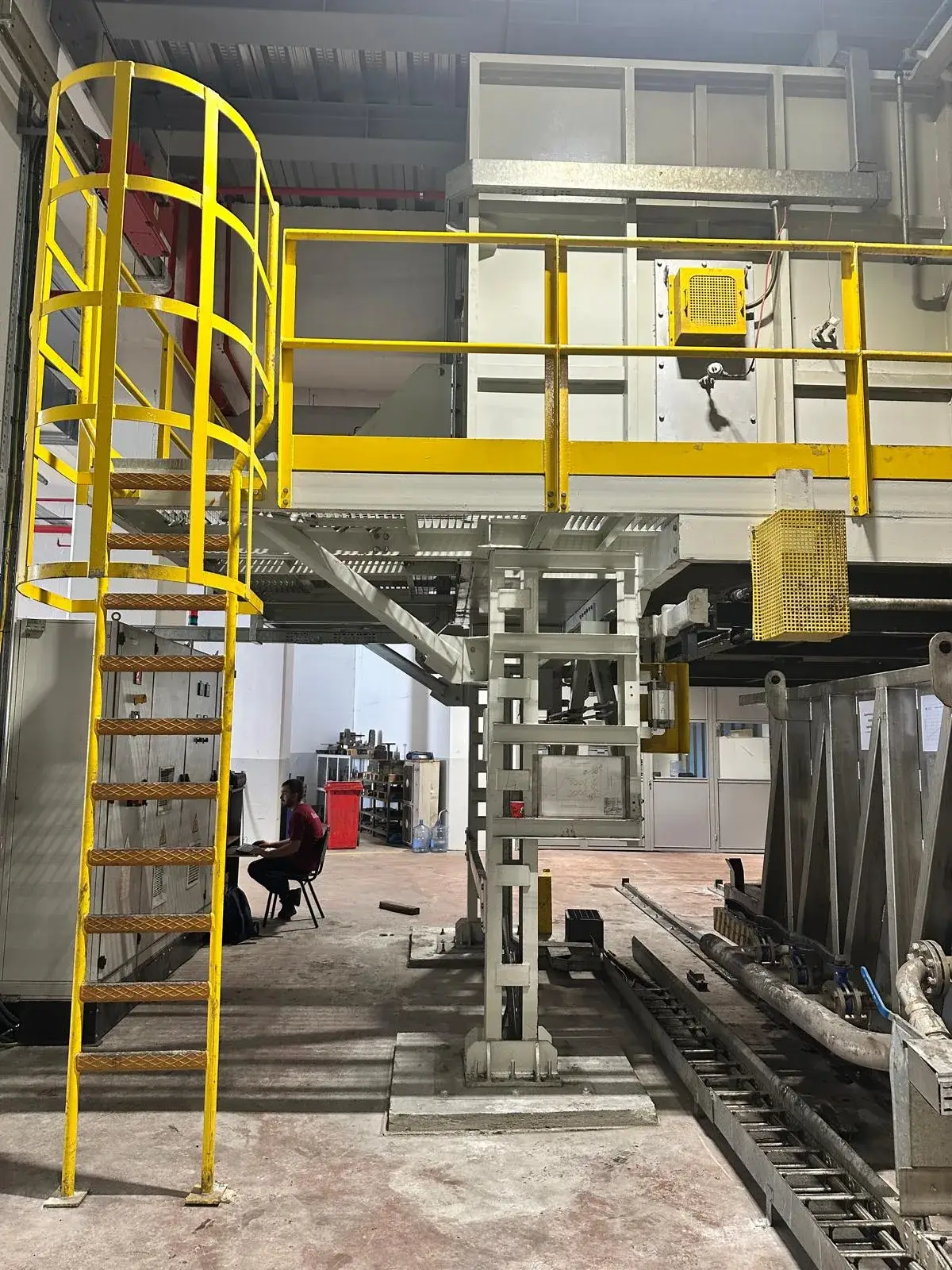
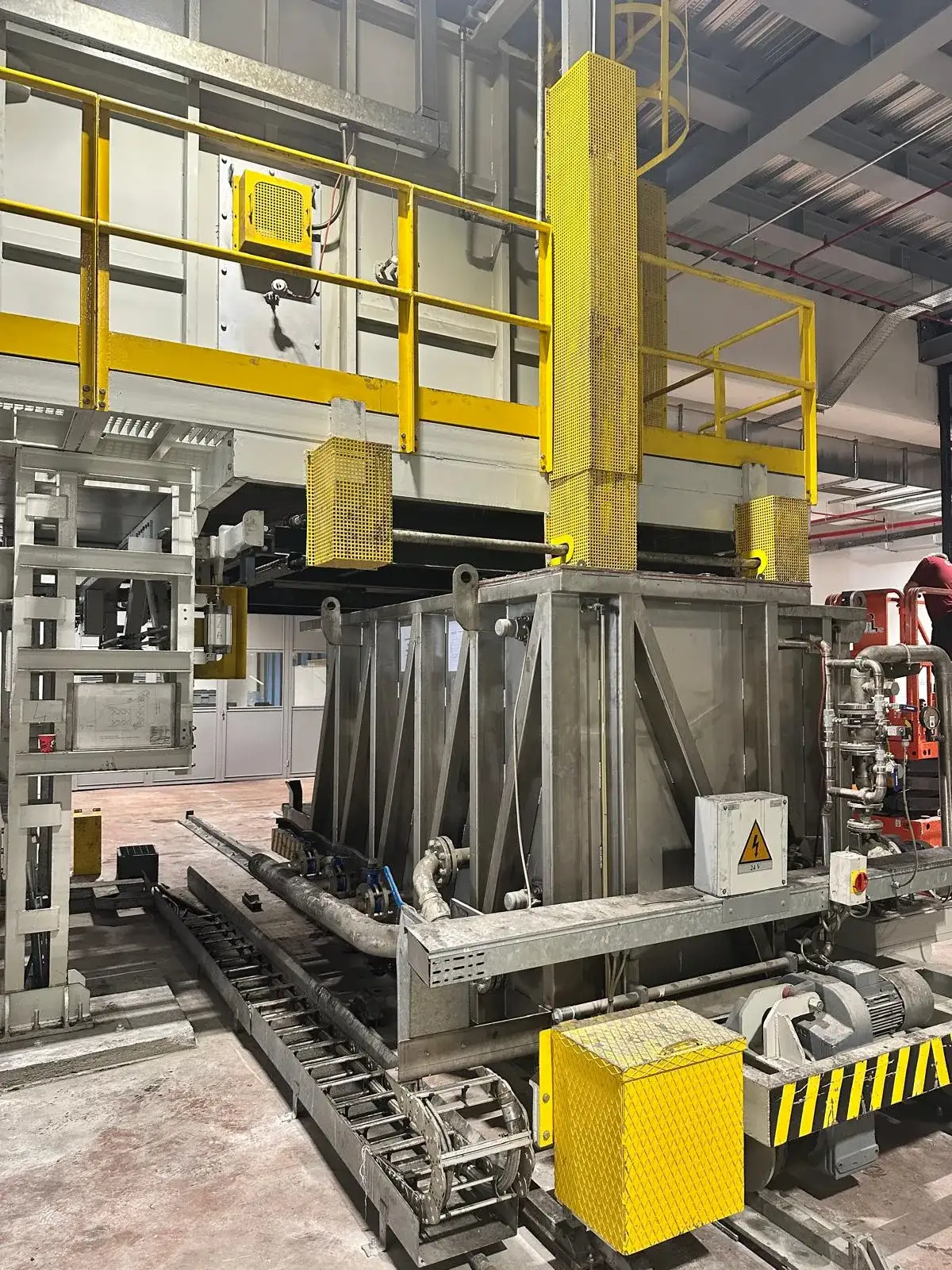
T5 / T6 heat treatment line technical specifications
- Processes applied
- T5 (direct ageing) · T6 (solution treatment + quench + ageing)
- Solution treatment furnace
- Circulating air; basket or car loading
- Quench unit
- Water · air · water-air — integrated at the furnace exit
- Transfer time
- Mechanical transfer between furnace and quench, time-controlled
- Ageing oven
- Circulating air; long-cycle, multi-basket
- Temperature uniformity
- ±5 °C across the furnace volume
- Heating
- Gas-fired or electric
- Control
- PLC — heating, soak and quench profile for each batch
- Records
- Temperature-time record and treatment certificate for every batch
- Loading
- Charging car, basket or conveyor feed
- Application
- Extrusion profiles · cast parts · forged parts
T5 or T6?
In T5, the profile uses the temperature at which it leaves the press: it is not solution treated separately and goes straight into the ageing oven. The process is short and inexpensive, and it is the most common route for 6xxx-series architectural profiles. In T6, the part is first solution treated at high temperature, quenched rapidly and then aged. This gives higher mechanical properties, but it takes longer and requires a quench unit. It is the usual choice for structural and load-bearing parts, and for the 2xxx and 7xxx series. We build the furnace and the quench unit for both routes; which one you need depends on the standard to which the product is delivered.
You can start with a single unit and grow into a full line
Ageing Oven
Supplied as a single unit. The standard for extrusion plants applying T5: long-cycle, multi-basket, circulating air.
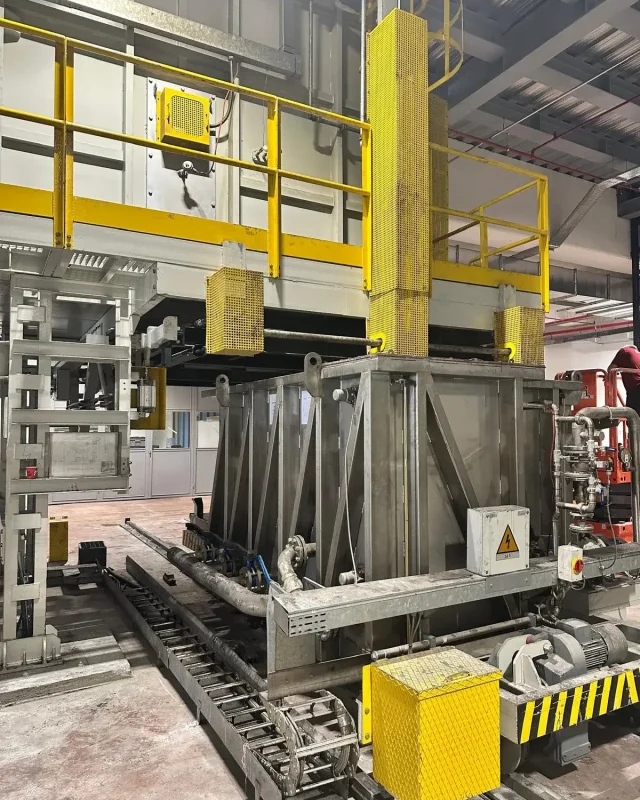
Solution Treatment Furnace + Quench
The core of a T6 line. The quench unit sits directly behind the furnace door; the critical cooling rate is controlled together with the transfer time.
Full Line
Solution treatment, quench and ageing together, on a single PLC. The transfer time is part of the recipe too.
Quench Type
Water, air or water-air. The cross-section of the part and its sensitivity to distortion determine which is chosen.
Charging Car and Basket System
Automation of loading and unloading; details are on the Automatic Loading and Unloading page.
Four things set this line apart
Three units run on one automation system
The recipe holds the temperatures of the three units and the transfer times between them in a single program. Even when the operator changes, the batch is processed with the same profile.
Quench at the furnace exit
The part is transferred mechanically from the furnace to the quench under time control, so it does not wait in the air and lose its properties.
It can grow step by step
You can start with the ageing oven alone and add solution treatment and quench later. The line is laid out with this in mind from the start.
The certificate covers the whole line
The solution treatment, quench and ageing records are combined in one document; each batch is delivered with the shared curve of the three units.
Explore the technical documents and catalogues
We answer frequently asked questions
about heat treatment furnaces
Yes; most extrusion plants that apply T5 start this way. We lay out the line so that solution treatment and quench can be added later, so space does not become a problem afterwards.
By adjusting the quench rate to the part. Water cools quickly but carries a risk of distortion in thin sections; a water-air combination grades the cooling rate, and the arrangement of parts inside the basket also affects warping. We make the decision together with you, based on your part geometry and alloy.
Yes. The basket and car loading arrangement is set up for cast parts as well as for profiles; only the basket design and the loading density change with the part.
Because ageing temperatures are relatively low, an electric solution can come out ahead at small and medium volumes; at large volumes gas generally remains more economical. We calculate it together with your energy unit prices.
Which production is this line part of, and what runs before it?
Heat Treatment Systems
How is a heat treatment line built, from homogenisation to ageing?
DISCOVER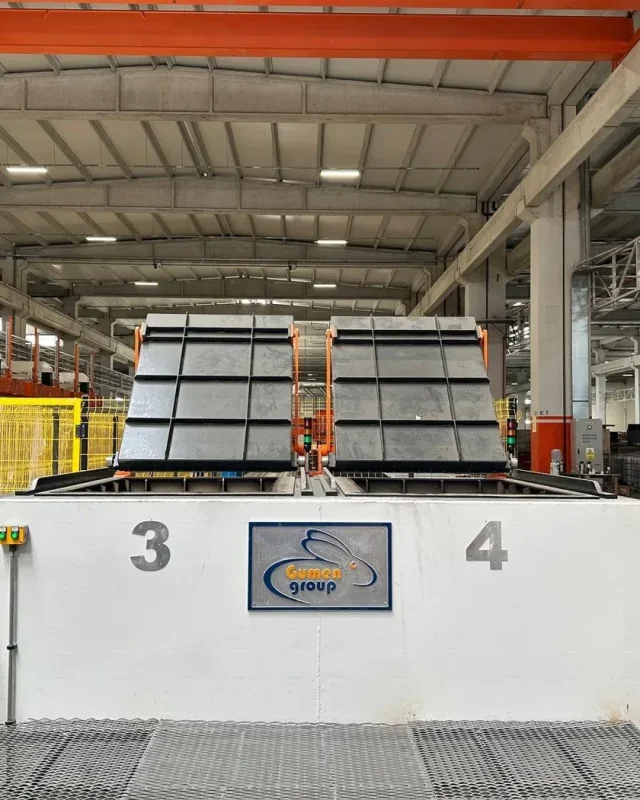
Billet & Die Heating
Heating ahead of the press: gas or induction, with a die furnace alongside.
DISCOVER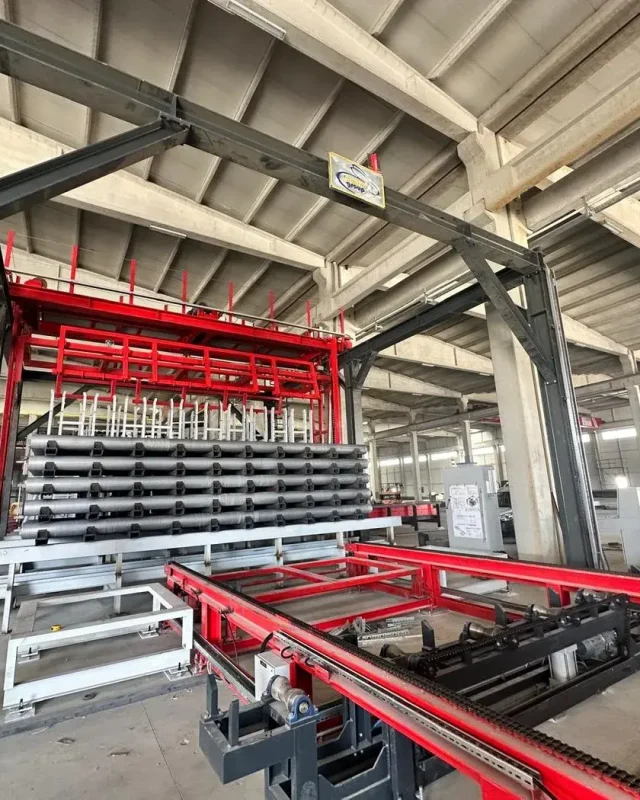
Extrusion Plants
Which equipment runs across the whole extrusion line, from billet to profile?
DISCOVER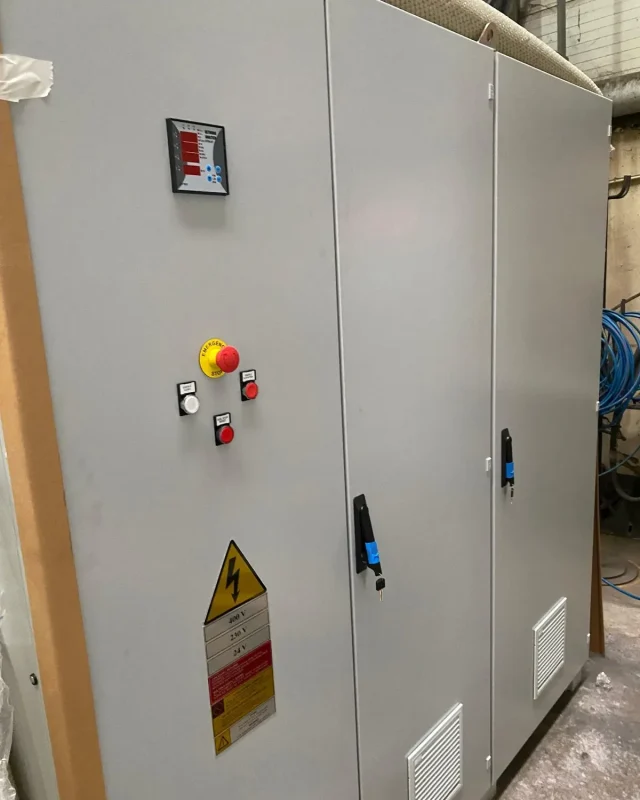
PLC & SCADA Systems
The control side that produces recipes, records and certificates: control panel, PLC program, SCADA screens.
DISCOVERWhich standard do you deliver to?
Your part geometry, your alloy and the standard you deliver to: these three answer the question of T5 or T6 and the choice of quench type. Tell us about them and we will build the line accordingly.
Request a Quote