
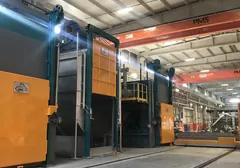
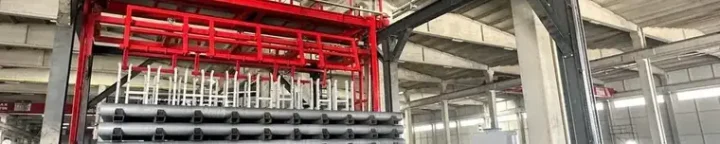
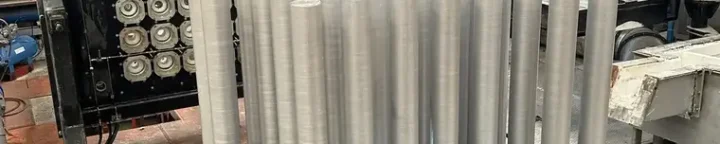
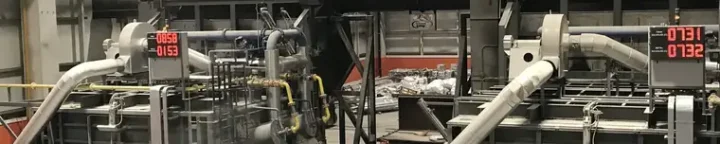
We hold the length tolerance in billet cutting across thousands of parts
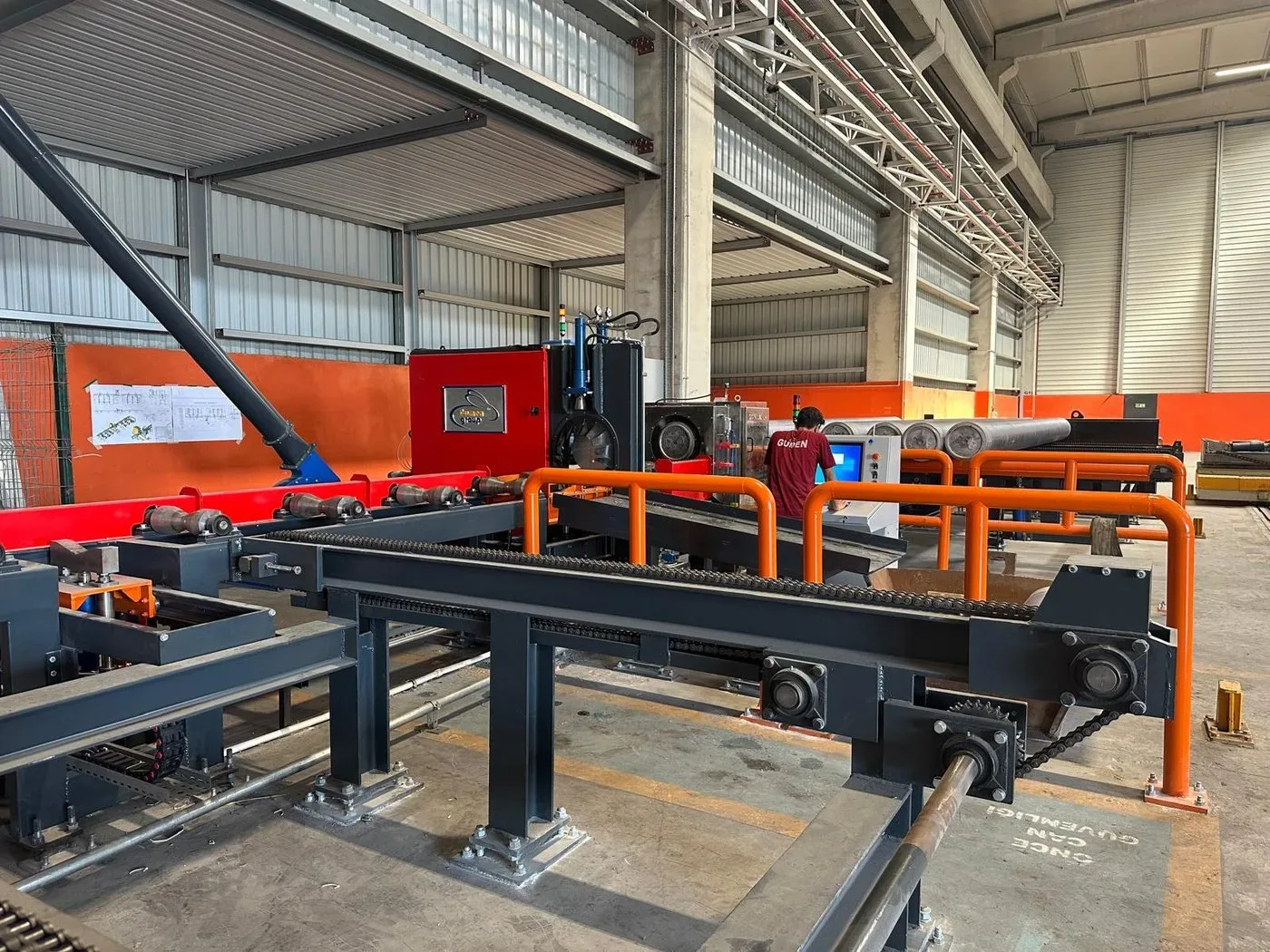
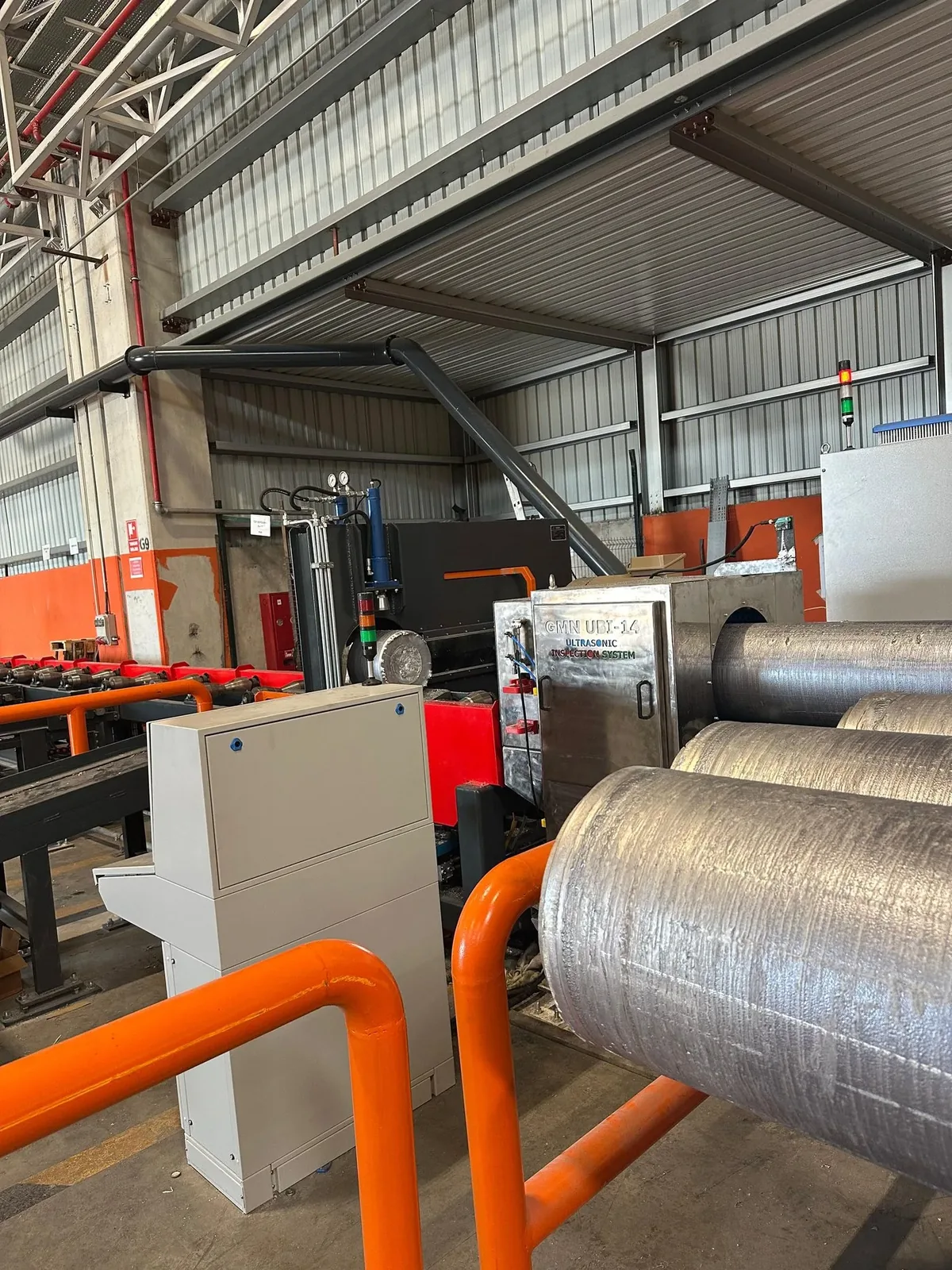
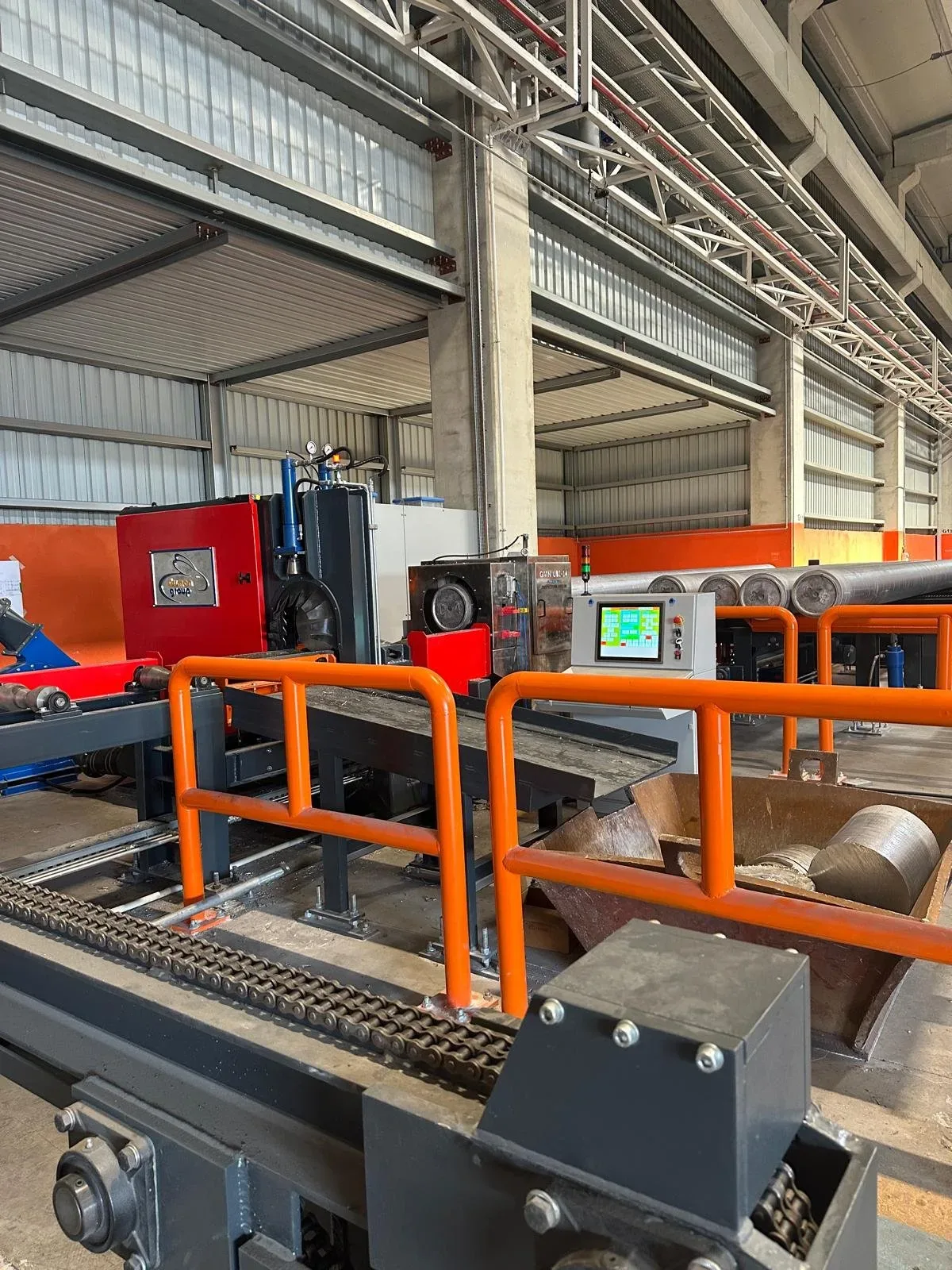
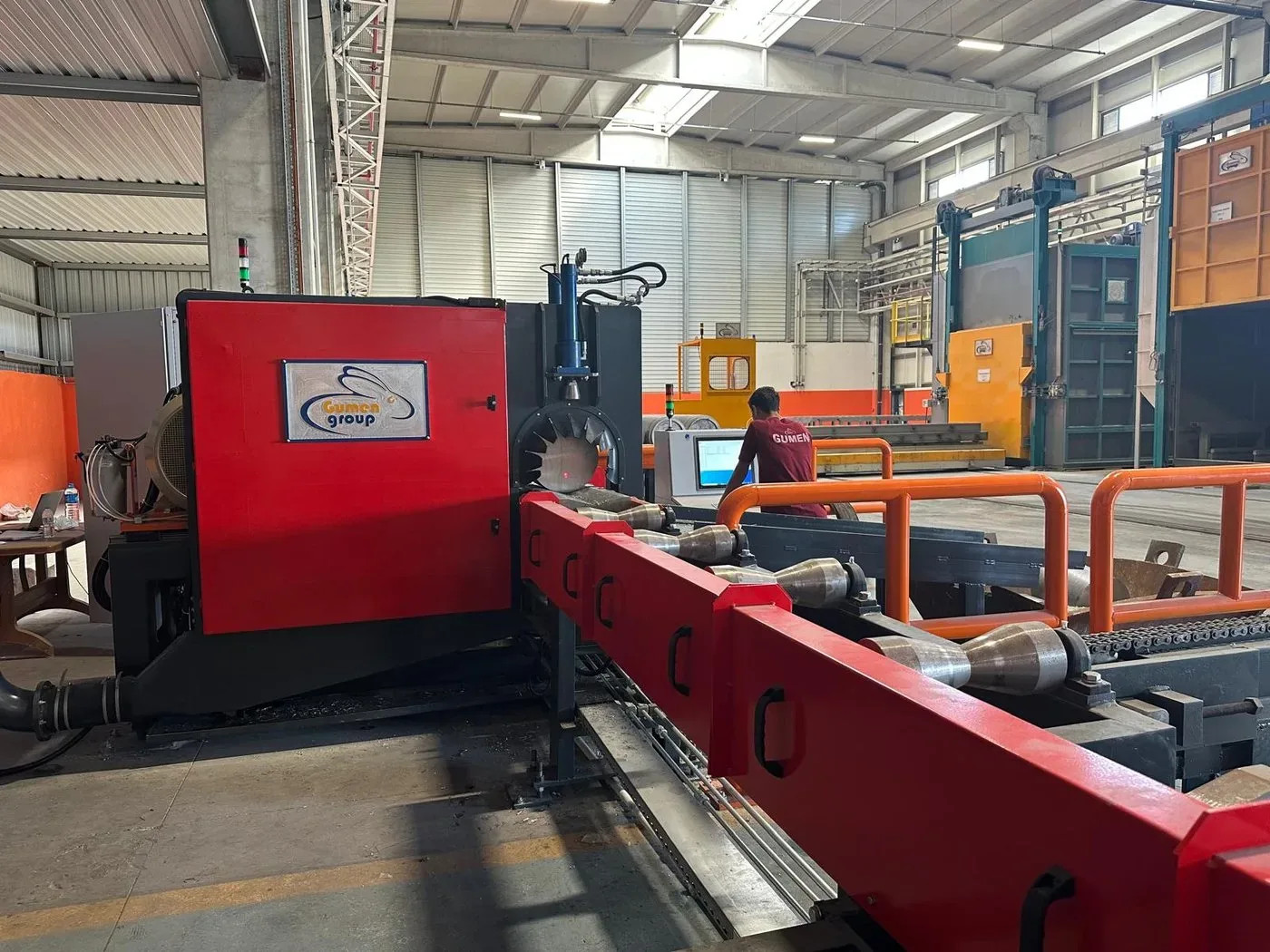
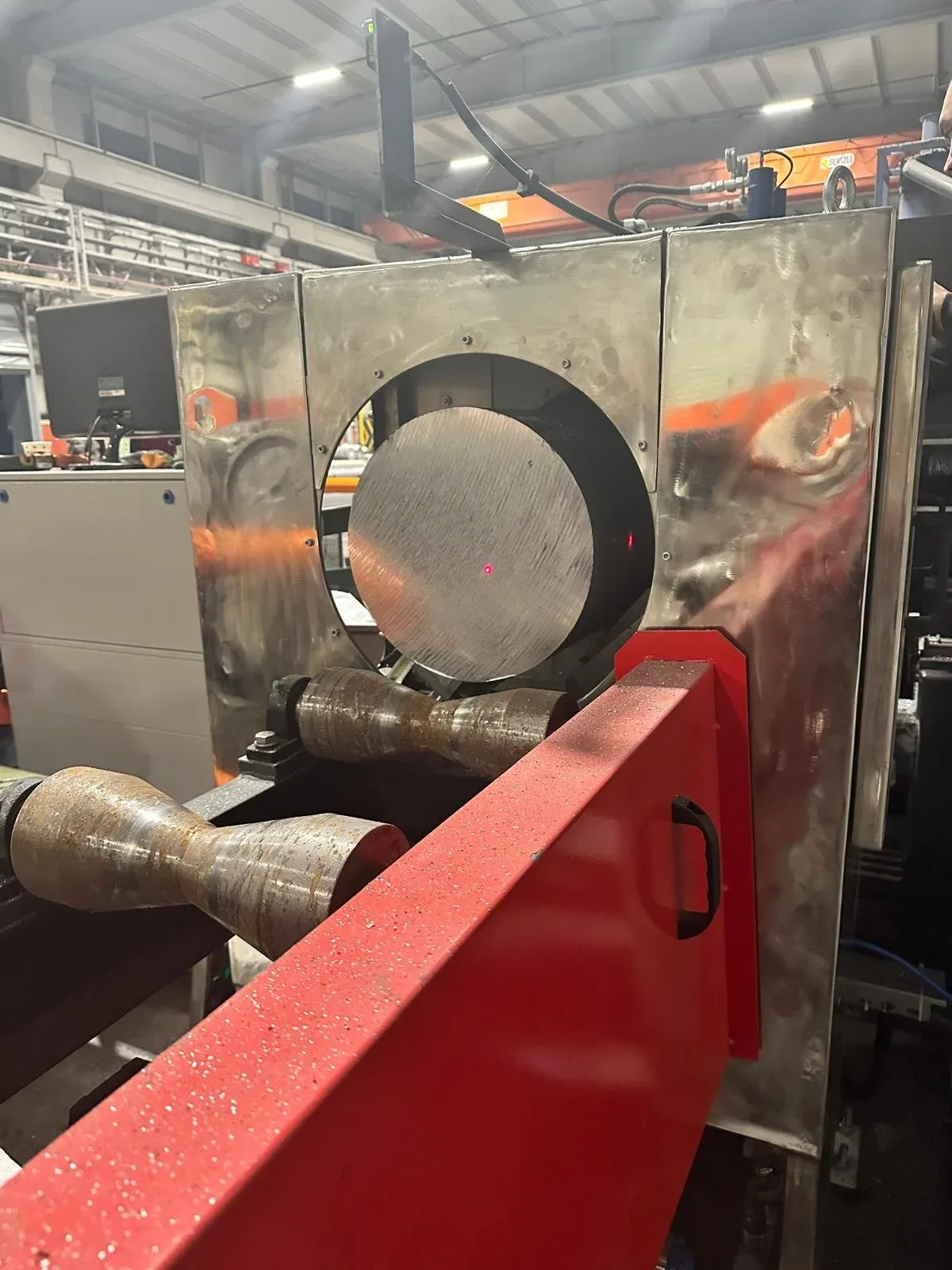
Automatic cutting to length, checking and rejection of defective parts work in a single machine body, and we install the machine in sync with the casting line. Our standard range is Ø100–406 mm; the chip collection and return-to-melting system is part of the machine. The ultrasonic test module can also be added later.
- Diameter
- Ø100 – Ø406 mm
- Tolerance
- ±0.5 mm
- Control
- PLC + SCADA
- Test
- Integrated ultrasonic
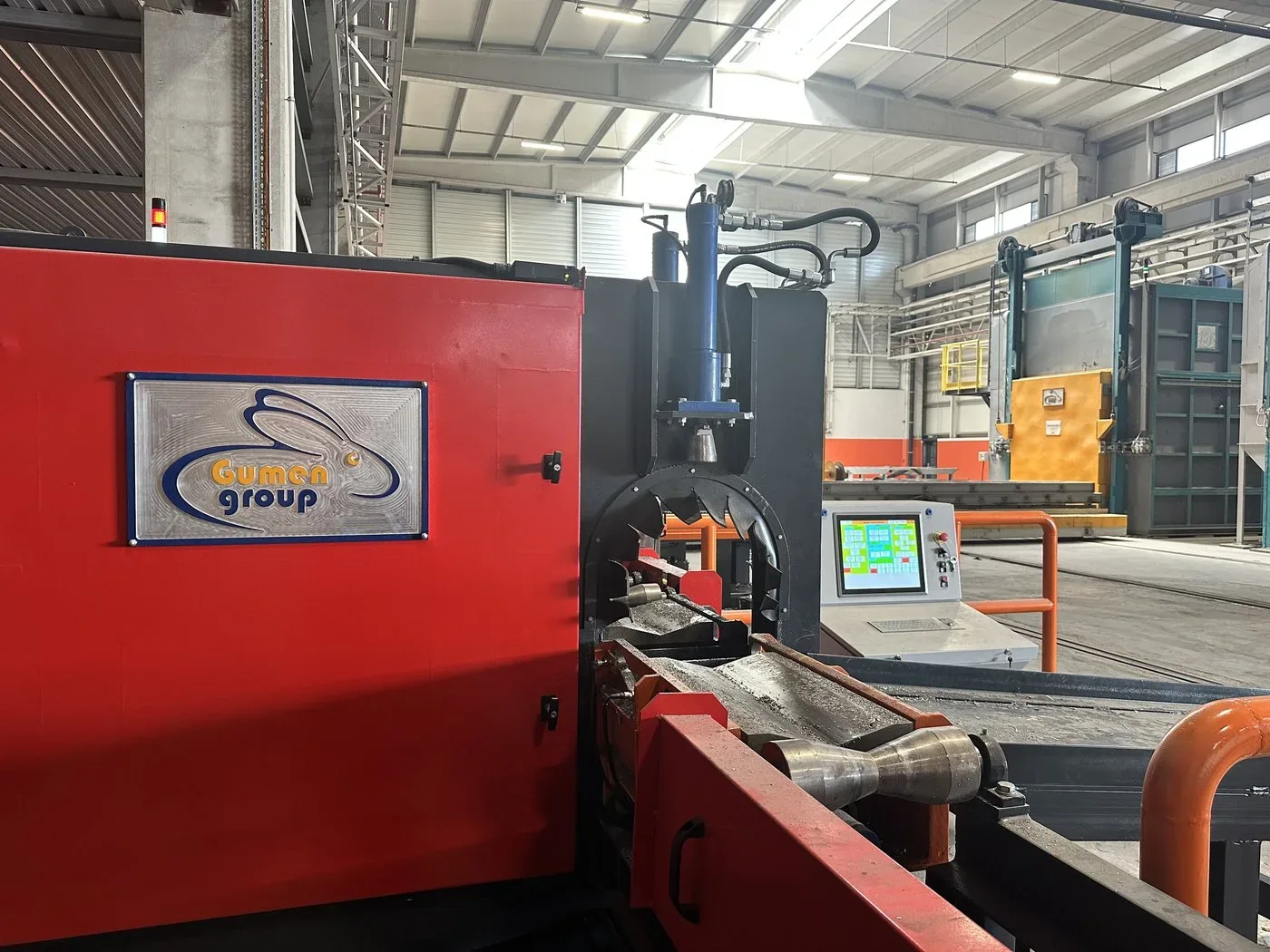
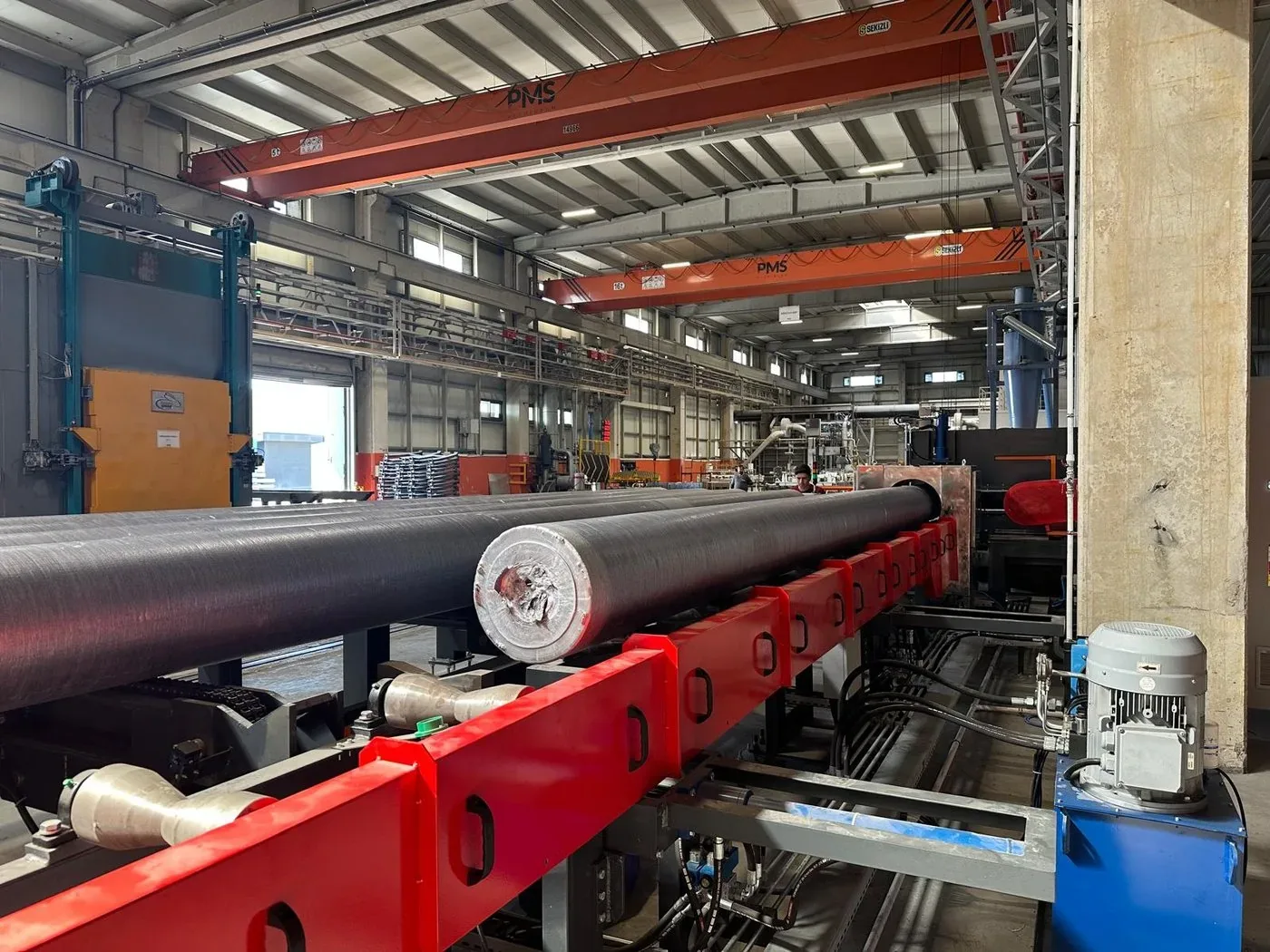
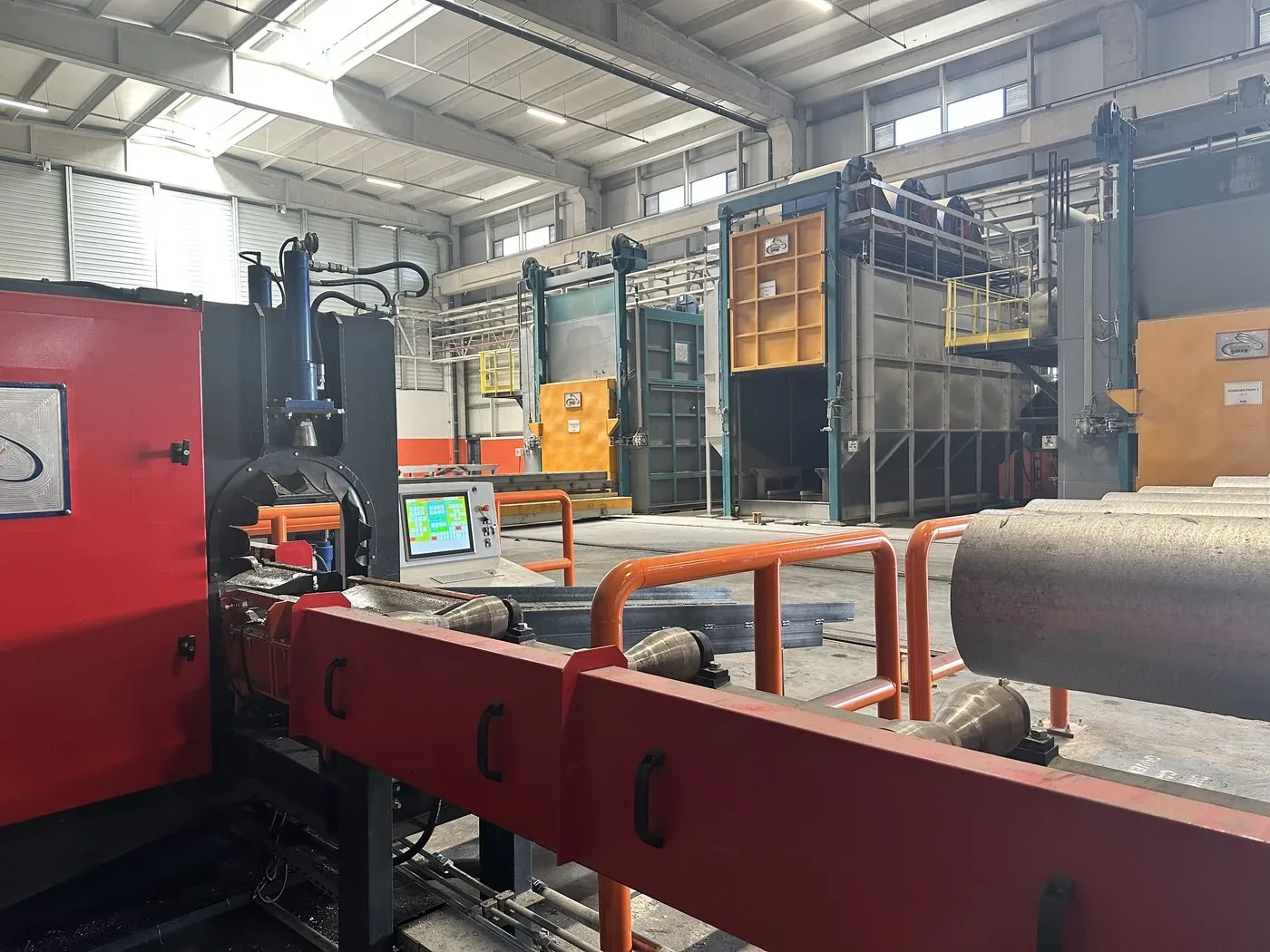
Billet cutting machine technical specifications
- Diameter range
- Ø100 – Ø406 mm
- Length tolerance
- ±0.5 mm
- Operating mode
- Fully automatic — cutting sequence synchronised with casting line speed
- Measurement
- Automatic length measurement before cutting
- Rejection
- Defective parts are removed from the line automatically
- Ultrasonic test
- Within the cutting sequence, at line speed
- Control
- PLC; monitoring and reporting via SCADA
- Data
- Production record per batch; ERP integration possible
- Optional modules
- Gripper stacking · transfer car · packing
- Chips and residue
- Collection and evacuation system included
We put cutting and testing in the same sequence
In a conventional layout the billet is cut first and then tested at a separate station. During the delay in between, defective parts also get mixed into the stack, and the problem is noticed only in a later process. When you put cutting and testing in the same sequence, the defective billet is separated before it even enters the stack. The difference is that scrap is caught inside the line rather than at the end of the line; this removes both the handling cost and the cost of rework.
The line grows from the core machine with five modules
Cutting Machine
Stand-alone; integrated into the existing line. The cutting speed is taken from the speed of the casting line.
Cutting + Ultrasonic Testing
Combined station. A defective billet leaves the line before it enters the stack; details are on the UT System page.
Gripper Stacking Module
Automatic stacking after cutting. The billet is placed at the same point, in the same arrangement.
Transfer Car
Transport between stations. The route and speed are determined by the line layout.
Weighing and Packing Module
Output ready for dispatch. The record for each batch is written to the production database.
Four things set this machine apart
±0.5 mm across the batch
Thanks to automatic measurement and a fixed cutting sequence, the tolerance is the same on the first part and on the thousandth.
It runs linked to the line
The cutting speed is taken from the speed of the casting line. The operator does not need to follow the sequence by hand.
A defective part is separated immediately
A part that exceeds the threshold value is marked and removed from the line automatically; scrap never gets mixed into the stack.
It grows modularly
Stacking, transfer and packing are designed so that they can be added later. You do not have to buy everything at the start.
Explore the technical documents and catalogues
We answer frequently asked questions
about the billet cutting machine
The standard range is Ø100–406 mm. For larger diameters the machine dimensions and the cutting unit are resized, and we work on a project-specific basis.
No, it is optional. If you supply the aerospace, defence or automotive supply chain, the customer specification usually requires it anyway. In other cases the cutting machine is used on its own, and testing can be added later.
With the collection and evacuation system under the machine. The residue is collected separately so that it can be returned to melting; the metal is not written off as scrap loss, it goes back into the charge.
Yes, if the line layout and control interface are suitable. The cutting machine must be able to read the speed of the casting line; if that connection does not exist, it is installed separately. We clarify the scope through a site survey.
Which line is this machine part of, and what runs before and after it?
Automatic Saw and UT
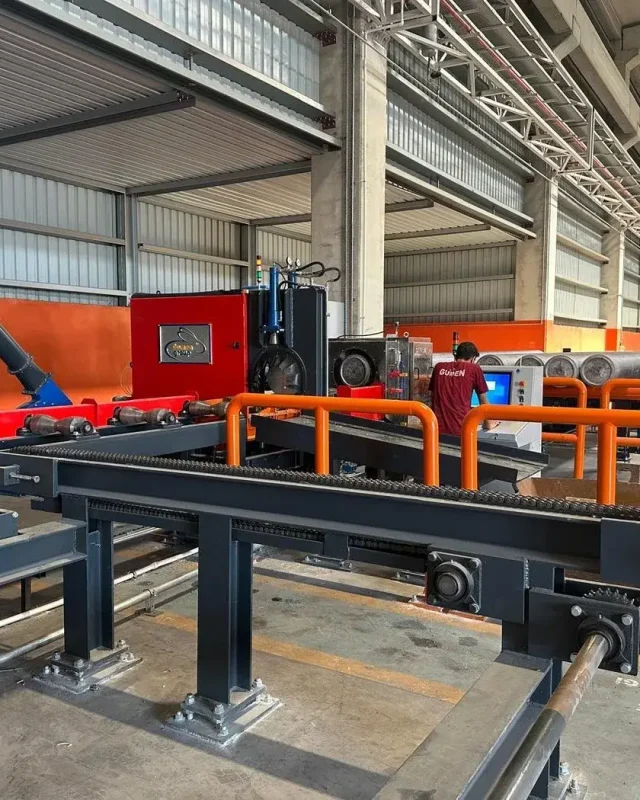
When ultrasonic scanning is added to the cutting sequence, a defective billet never enters the stack.
DISCOVER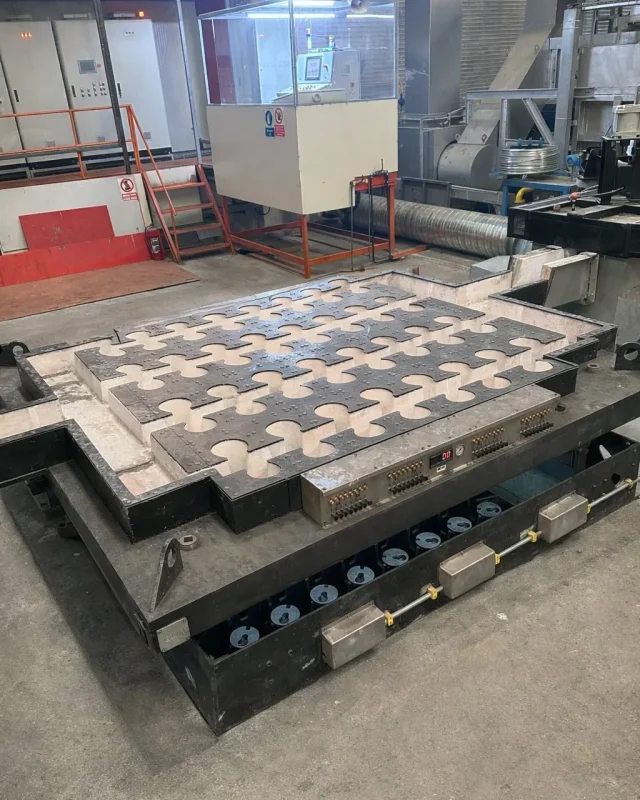
Vertical Casting Machine
Where the billet to be cut comes from: the pit, mould table and water control.
DISCOVER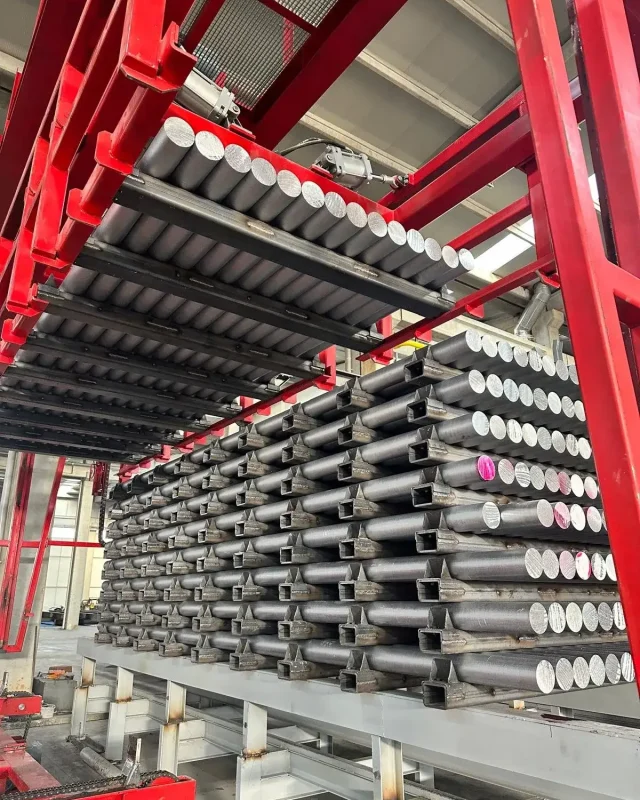
Automatic Loading & Unloading
After cutting: stacking, transfer car, weighing and packing.
DISCOVER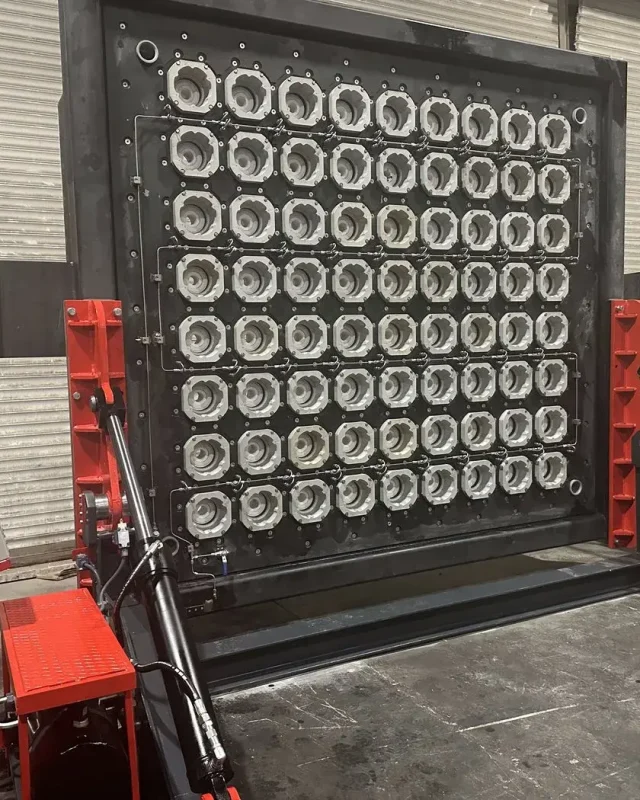
Billet Casting Line
How is a billet casting line built, from the pit to the end of the line?
DISCOVERShare your diameter and length list
What diameters and lengths do you cut, and how many parts come out per day? These three pieces of information determine the machine size and the modules required.
Request a Quote