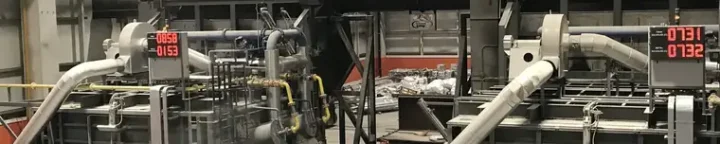
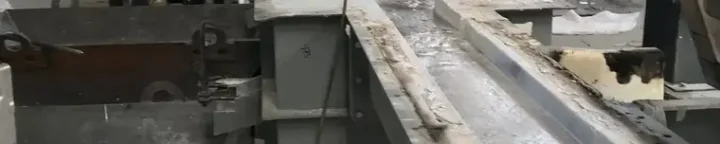
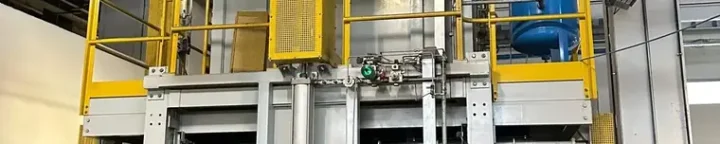
We take charging and dross removal out of the operator’s hands
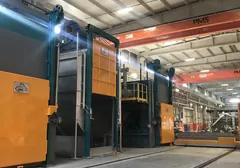
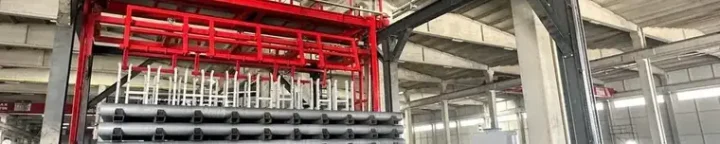
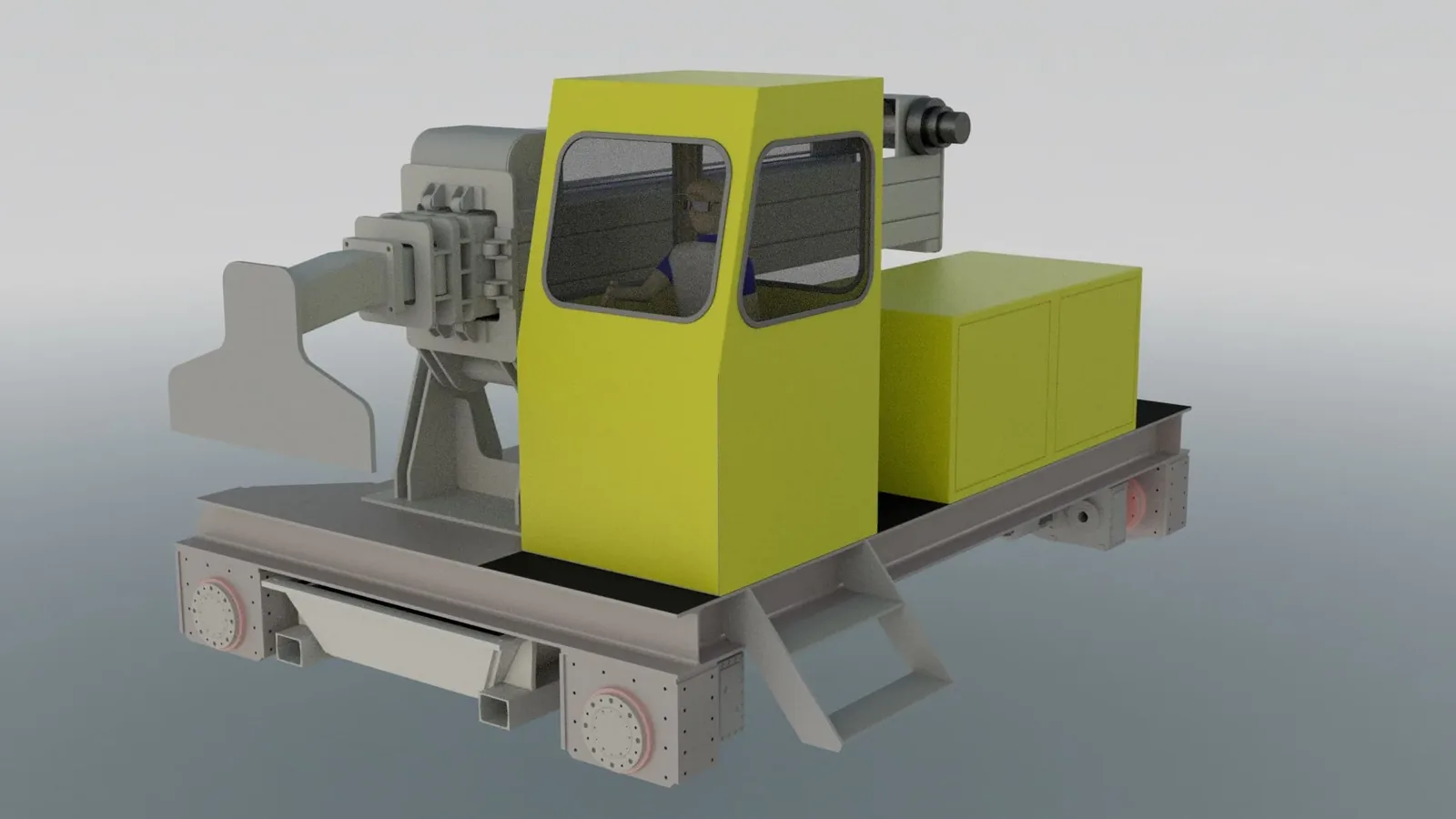
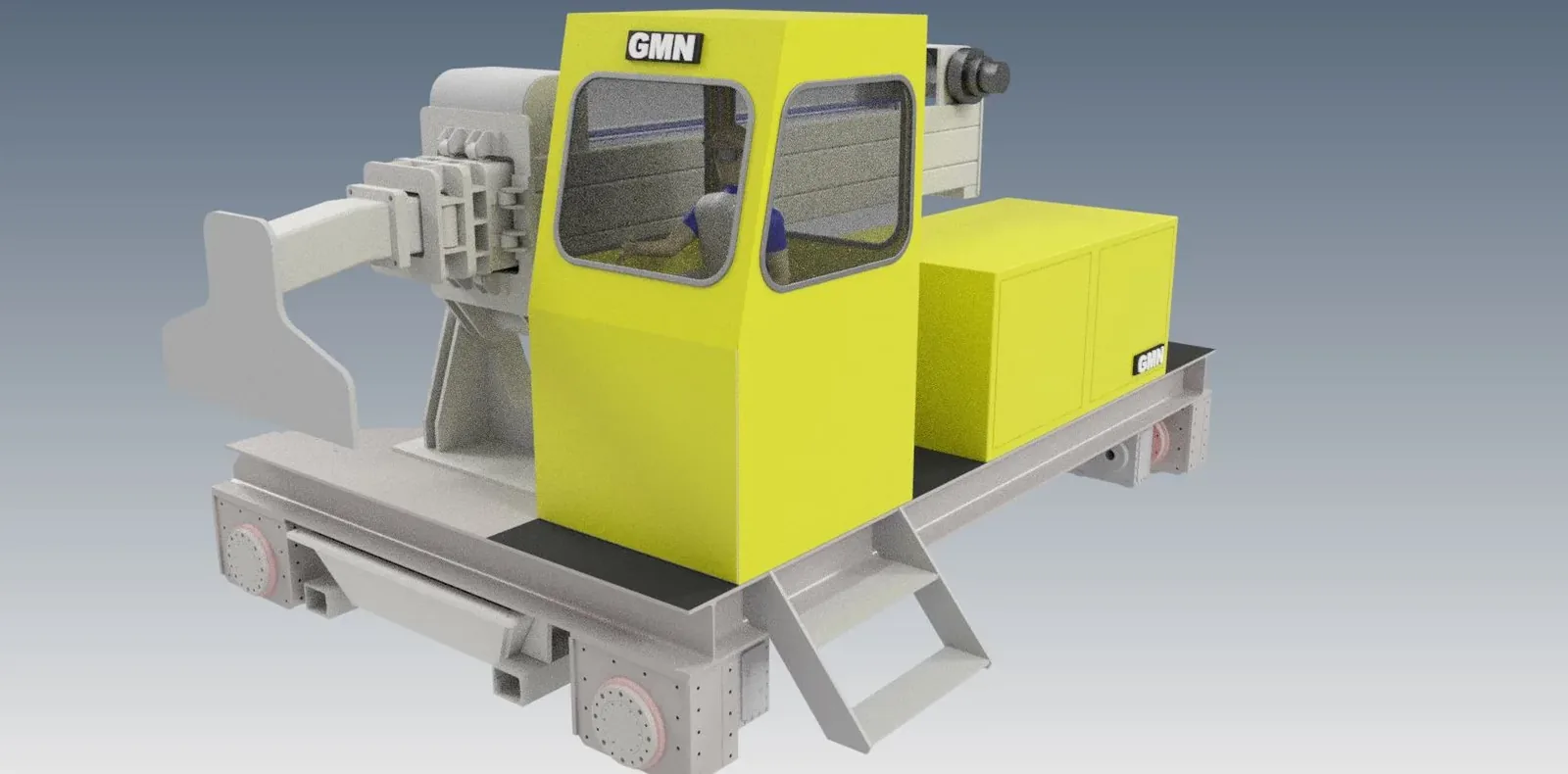
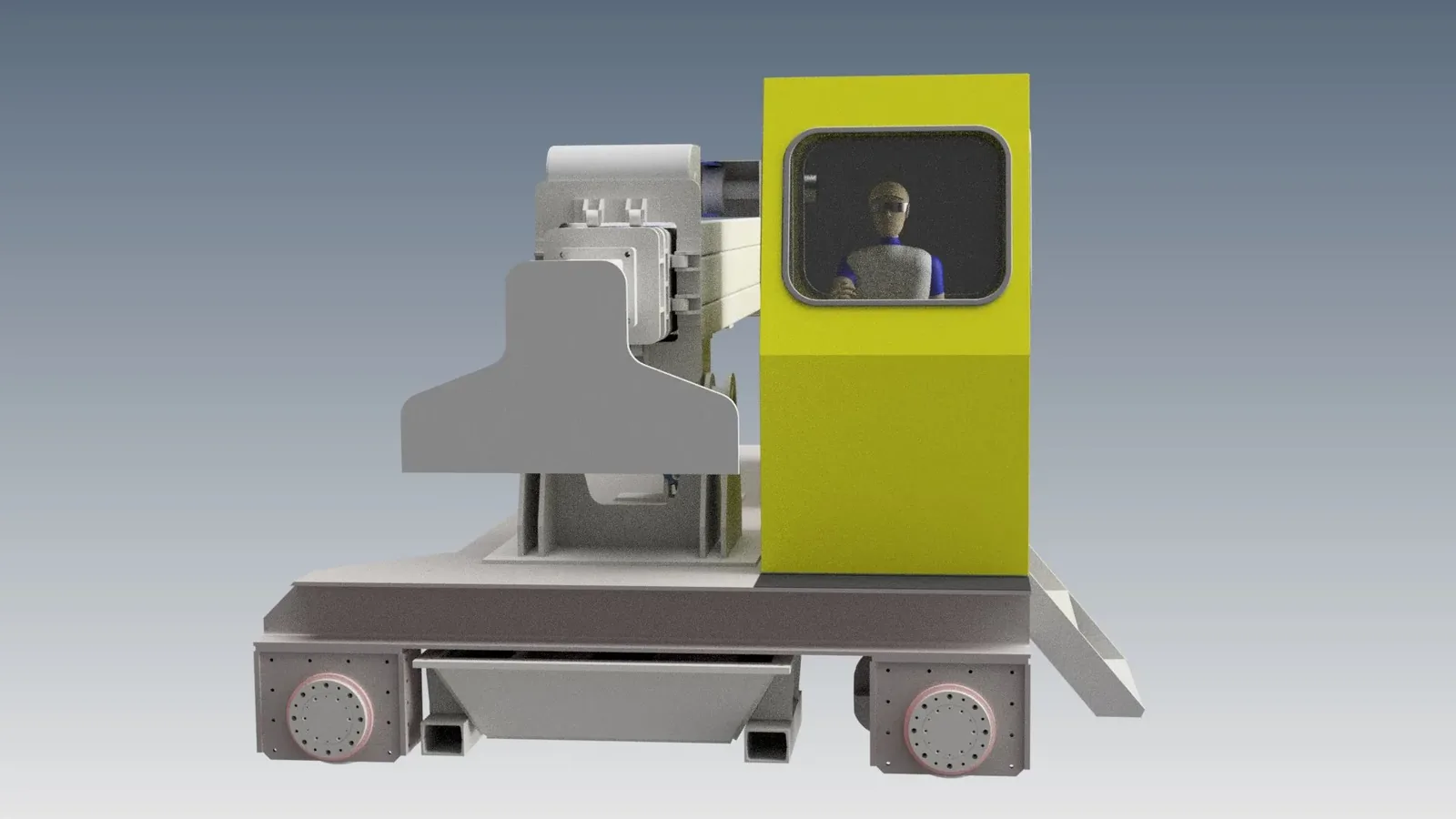
We move the two riskiest jobs in the furnace room over to automation. We build charging cars with basket capacities from 500 kilograms up to 10 tonnes, rail-mounted or rubber-tyred; the dross removal system moves up to the furnace mouth and skims the surface mechanically. Metal loss is reduced, and the operation is repeated in the same way every time.
- Charging capacity
- 500 kg – 10 tonnes
- Travel
- Rail / rubber tyres
- Basket
- Fixed / tilting
- Dross removal
- Mechanical skimmer
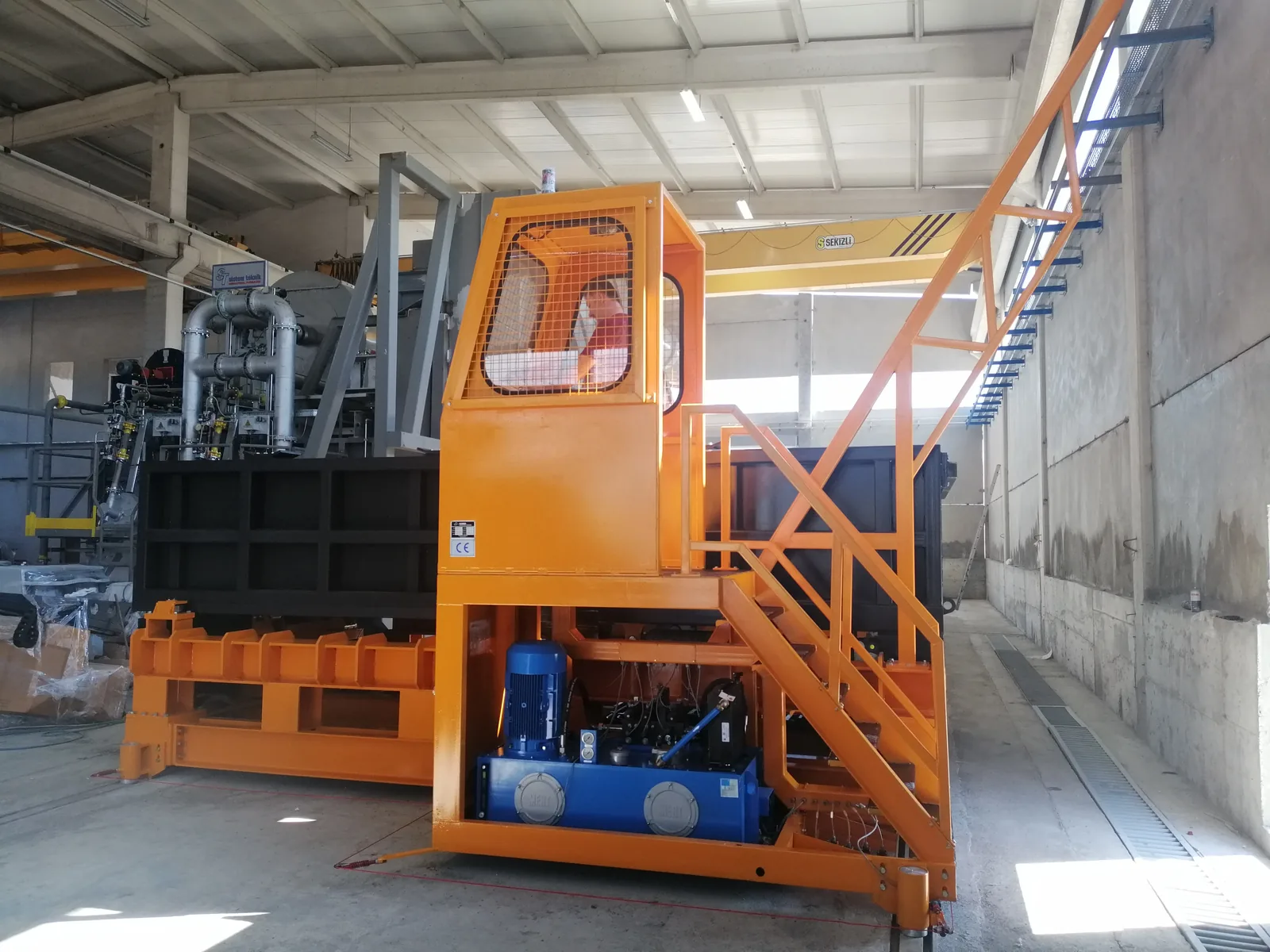
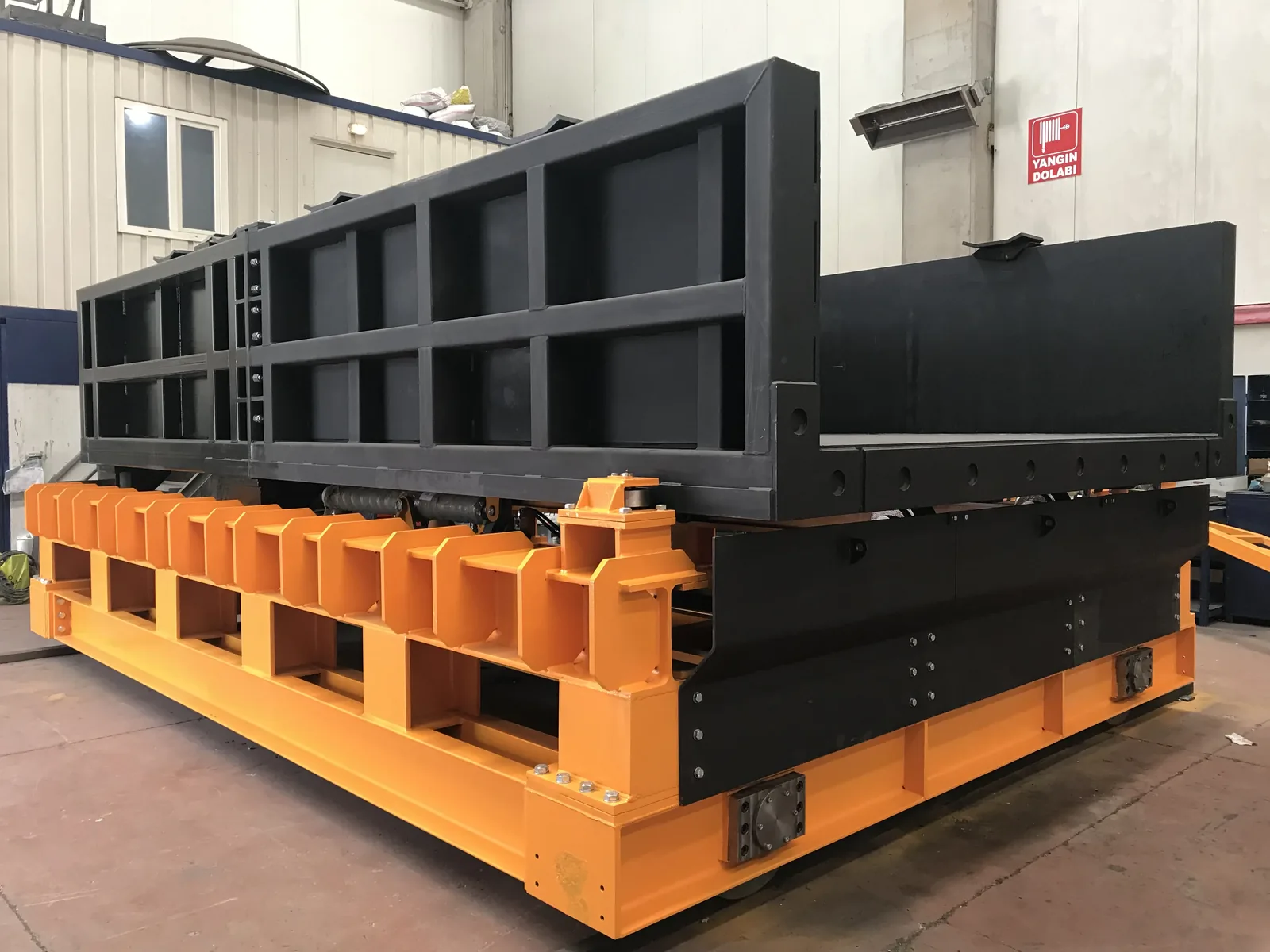
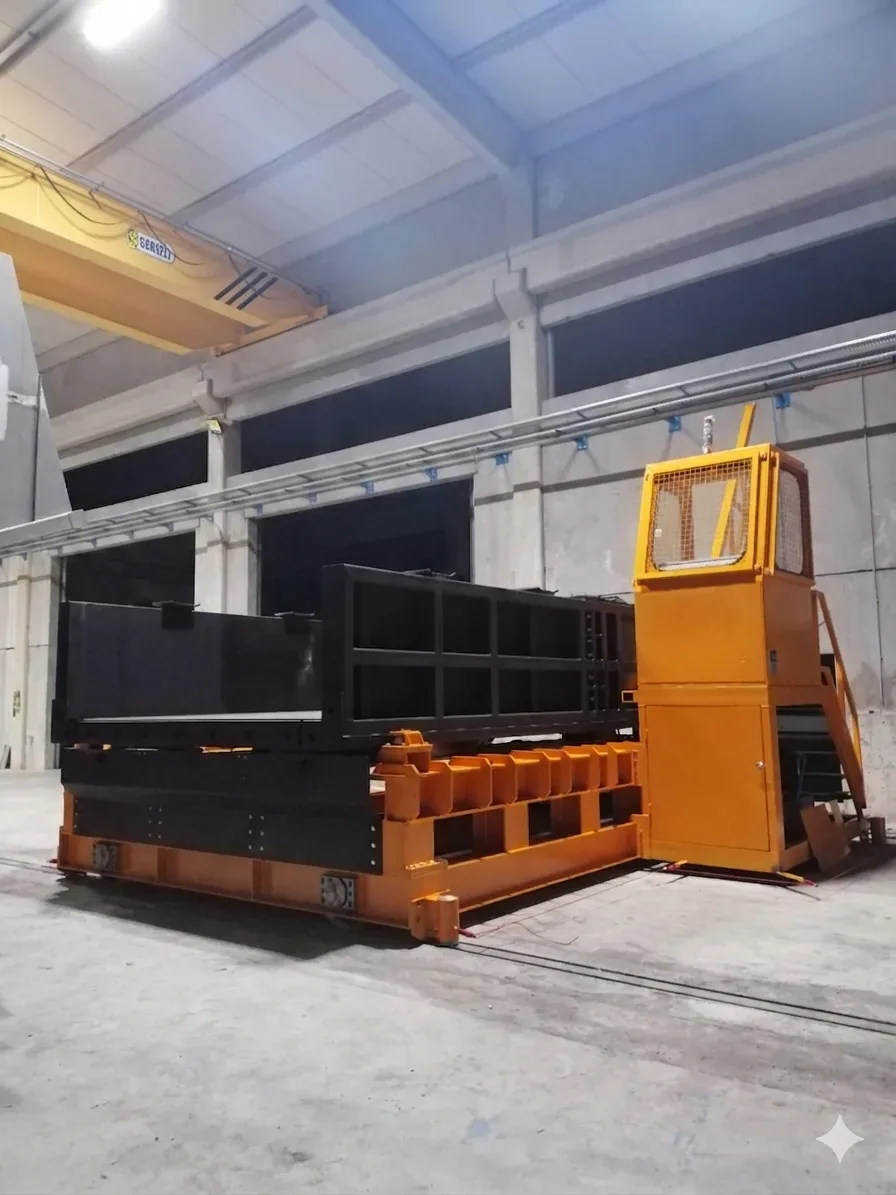
Charging car and dross skimmer technical specifications
- Charging capacity
- 500 kg – 10,000 kg
- Travel system
- Rail-mounted or rubber-tyred
- Basket type
- Fixed · tilting · twin-basket
- Controls
- In-cabin panel + remote control
- Operator cabin
- Enclosed; insulated against heat and smoke
- Weighing system
- Optional — load cell, charge quantity recording
- Automation level
- Manual · semi-automatic · fully automatic (PLC)
- Dross system type
- Rail-mounted mechanical skimmer
- Dross system drive
- Hydraulic or electric motor
- Skimming tip
- High-temperature-resistant steel hook and blade
- Dross collection
- Integrated dross car
- Furnace compatibility
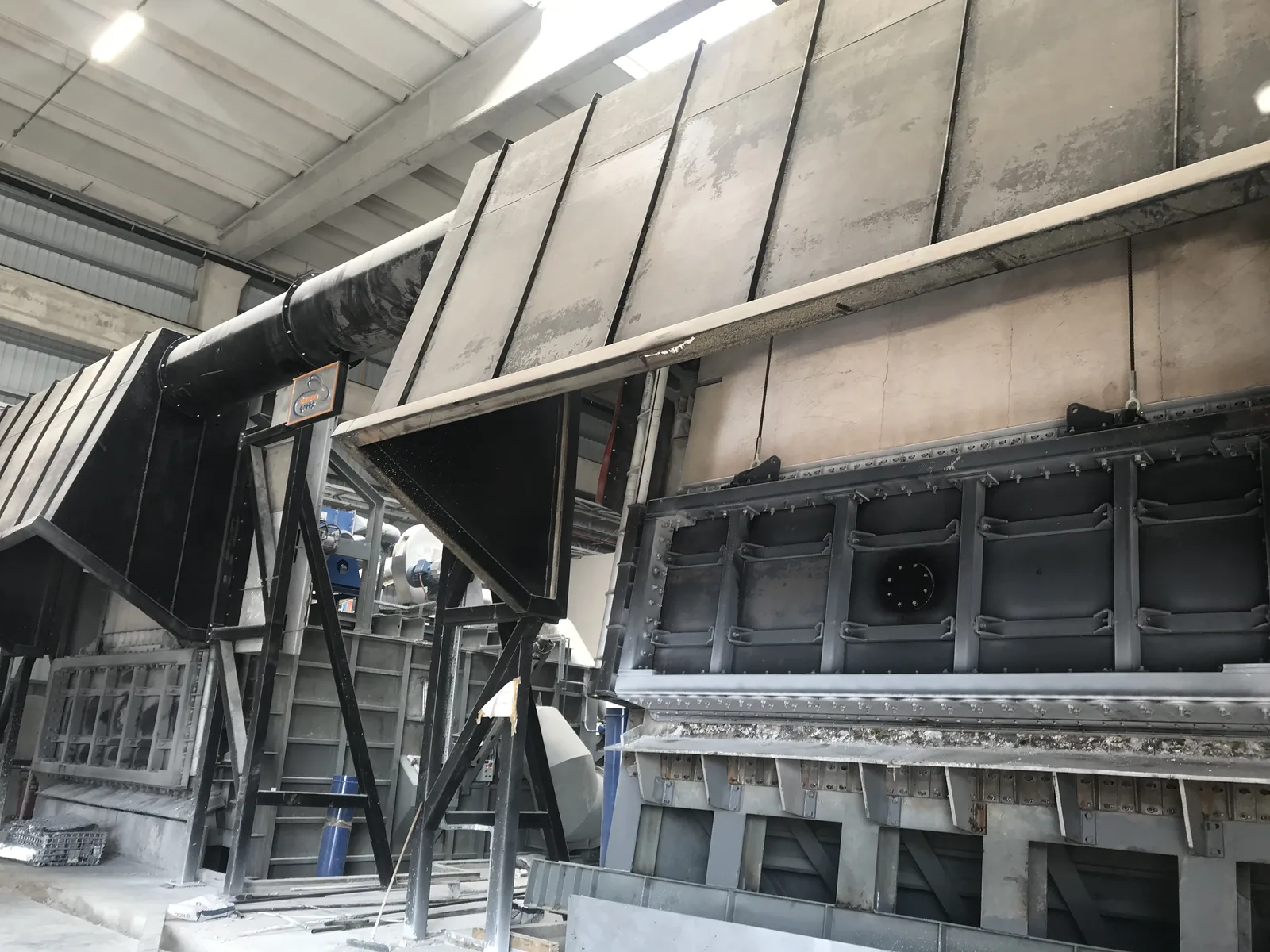
- Reverberatory and tilting furnaces; adaptation to other makes
- Application
- On a new line, or added later to an existing furnace
Mechanical dross removal makes metal yield measurable
An operator skimming by hand gets tired, and the last dross taken differs from the first; the amount of metal leaving with the dross also varies from one time to the next. Because this loss is never weighed, it stays invisible in most plants. In a mechanical system the skimming angle and depth are fixed: because the same movement is repeated every time, the proportion of metal in the dross falls and becomes predictable. The gain is not only in workplace safety but directly in metal yield.
We build the system around the layout of your furnace room
Rail-Mounted Car
A fixed route and high capacity. The rail line is drawn to suit the layout of the furnace room, and the car serves a single furnace or a row of furnaces.
Rubber-Tyred Car
A flexible solution serving more than one furnace. No rails need to be laid, and the route can be changed when needed.
Twin-Basket Car
An arrangement that does not travel the return leg empty. While one basket empties into the furnace the other is being filled, so the cycle time shortens.
Weighing Unit
Load-cell based. The quantity of each charge enters the process record, and the difference between recipe and actual becomes visible.
Mechanical Dross Removal
Rail-mounted skimmer and integrated dross car. It runs under manual control or in an automatic cycle via the PLC.
Four things set these systems apart
Nobody stands at the furnace mouth
Thanks to the enclosed cabin and remote control, nobody stands in front of the furnace mouth during charging.
Every charge is weighed and recorded
With the optional load-cell weighing, the quantity of every charge is written to the automation system. The difference between the charging recipe and the actual charge becomes visible.
Less metal leaves with the dross
Because the same skimming movement is repeated every time, the metal that gets into the dross does not vary from operator to operator as it does with hand skimming.
Fits existing furnaces too
The systems can be adapted not only to new lines but also to furnaces already in operation.
Explore the technical documents and catalogues
We answer frequently asked questions
about charging and dross systems
Three things: the furnace capacity, the type of charge material (scrap, ingot, pot) and the level of automation you want. We build across a wide range, from a simple manually controlled car to a fully automatic unit with a weighing system.
Three things: less metal leaves with the dross, the operator is taken out of the hot zone, and the operation is repeated in the same way every time. Once it is put on an automatic cycle, furnace efficiency rises directly.
Generally yes. The height of the furnace mouth, the rail route and the surrounding clearance are measured on site, and the geometry of the car and skimmer is drawn accordingly.
The load-cell system gives the charge quantity with sufficient accuracy for process monitoring. If it is to be used for commercial weighing, the calibration and certification requirements need to be discussed separately.
Which furnace does this equipment work alongside?
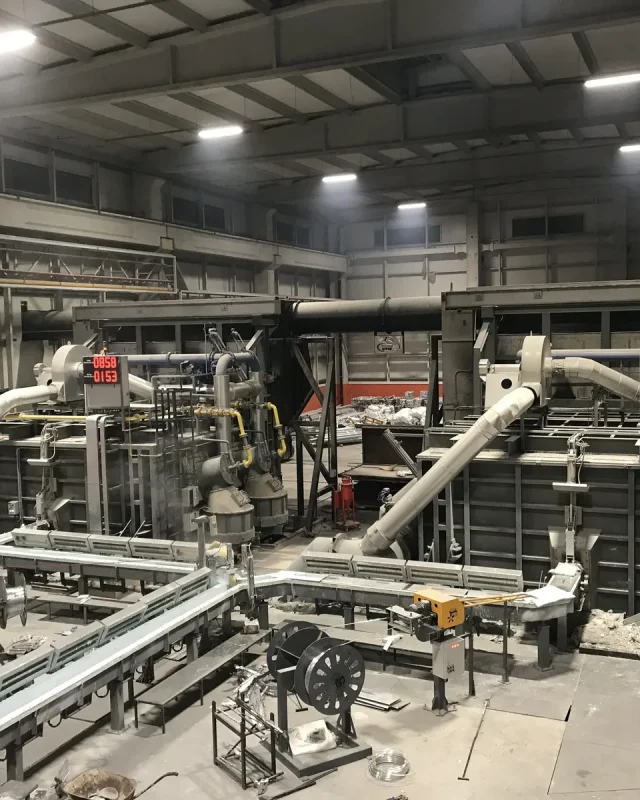
Melting & Holding Furnaces
The furnace served by the charging car and skimmer: single- or twin-chamber body, regenerative burner.
DISCOVER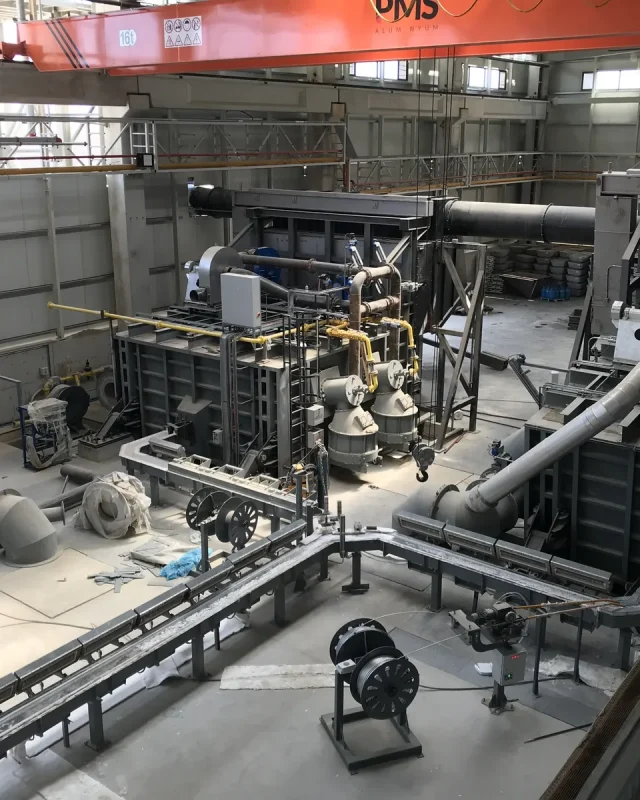
Melting and Holding Solution
How is the line built when the furnace, charging machine, combustion system and automation come from a single project?
DISCOVER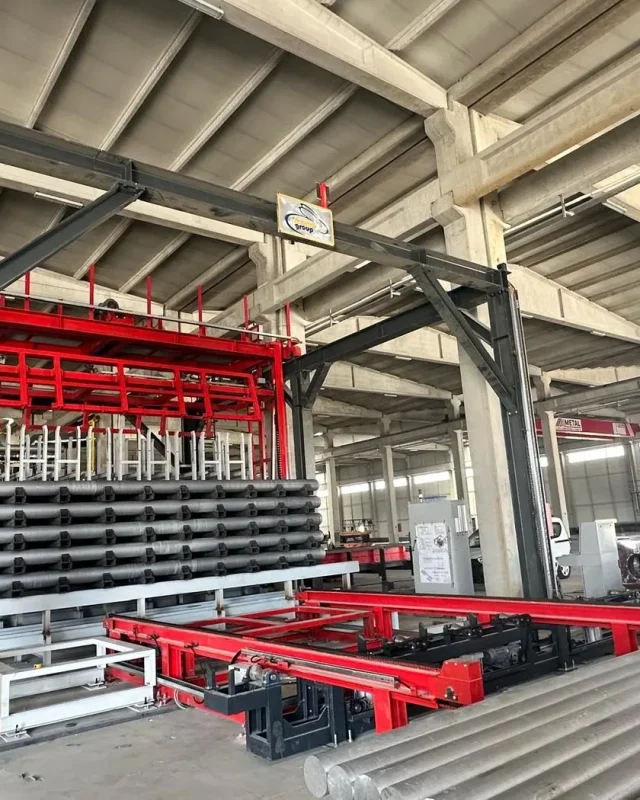
Automatic Loading & Unloading
Handling outside the furnace room is unmanned too: conveyor, transfer car and robot gripper.
DISCOVER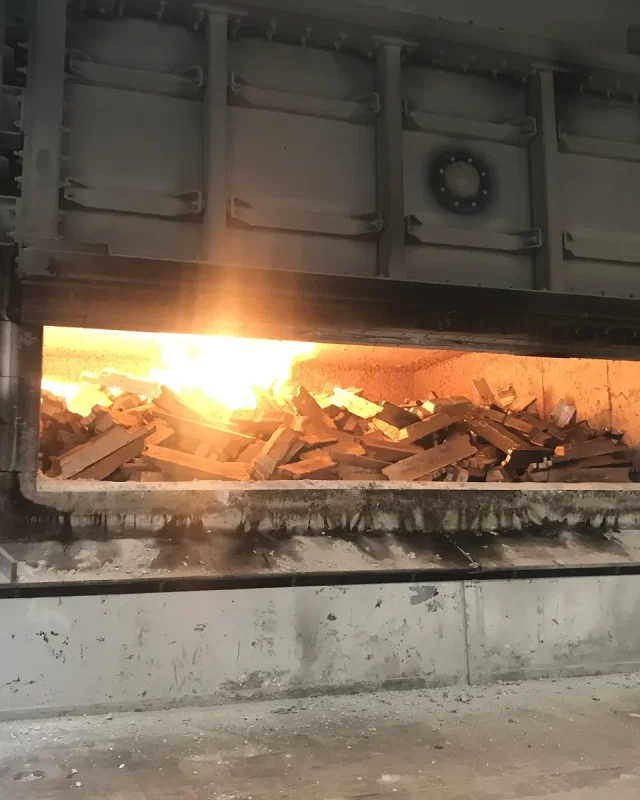
Recycling Plants
What is the furnace room built around in plants that work mainly with scrap?
DISCOVERLet us lay out your furnace room together
What is your furnace capacity, is your charge scrap or ingot, and how much room to manoeuvre do you have in the furnace room? These three pieces of information determine the car type and the skimmer geometry.
Request a Quote