
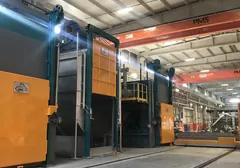
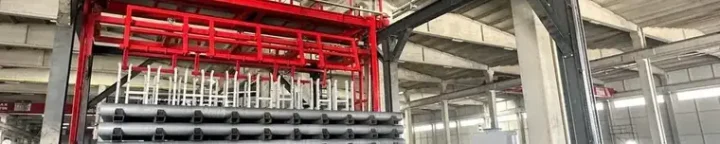
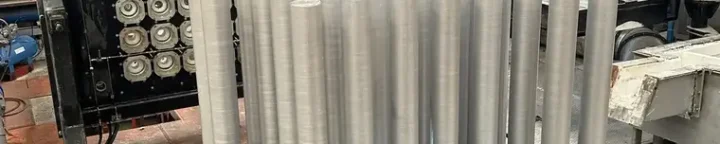
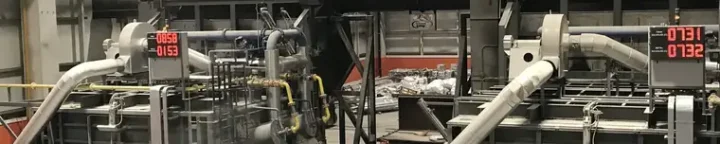
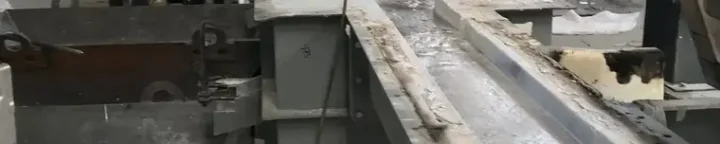
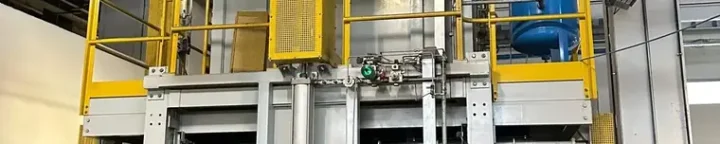
We run billet and die heating furnaces in sync with your press
We bring the billet entering the extrusion press to a uniform temperature across its cross-section; temperature differences directly affect profile quality and die life. We build the furnaces with regenerative gas burners or with induction heating, and connect the die heating furnace and the charging car to the same automation.
- Heating
- Gas / induction
- Billet diameter
- 75 – 300 mm
- Uniformity
- ±5 °C
- Charging
- Automatic car
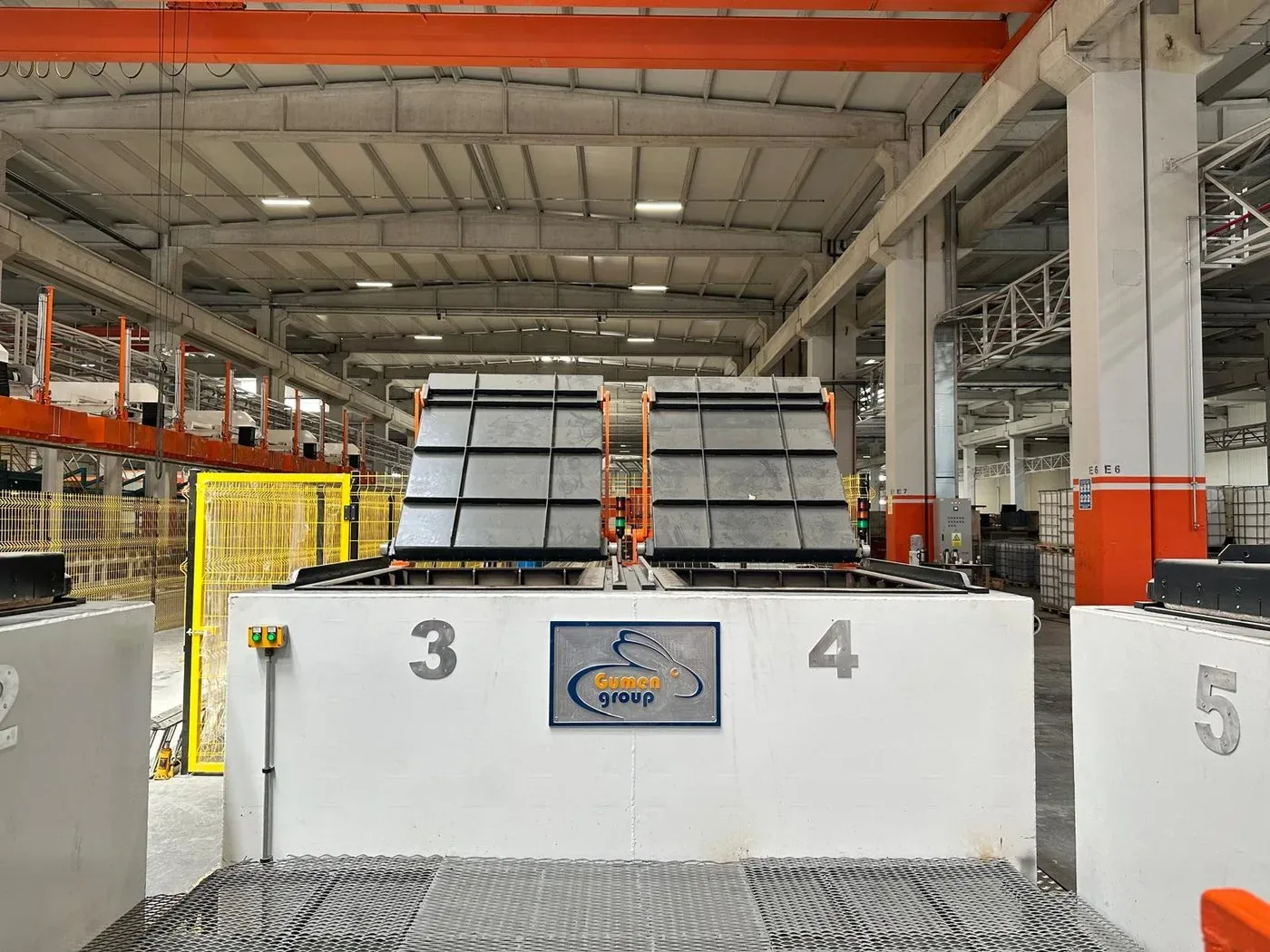
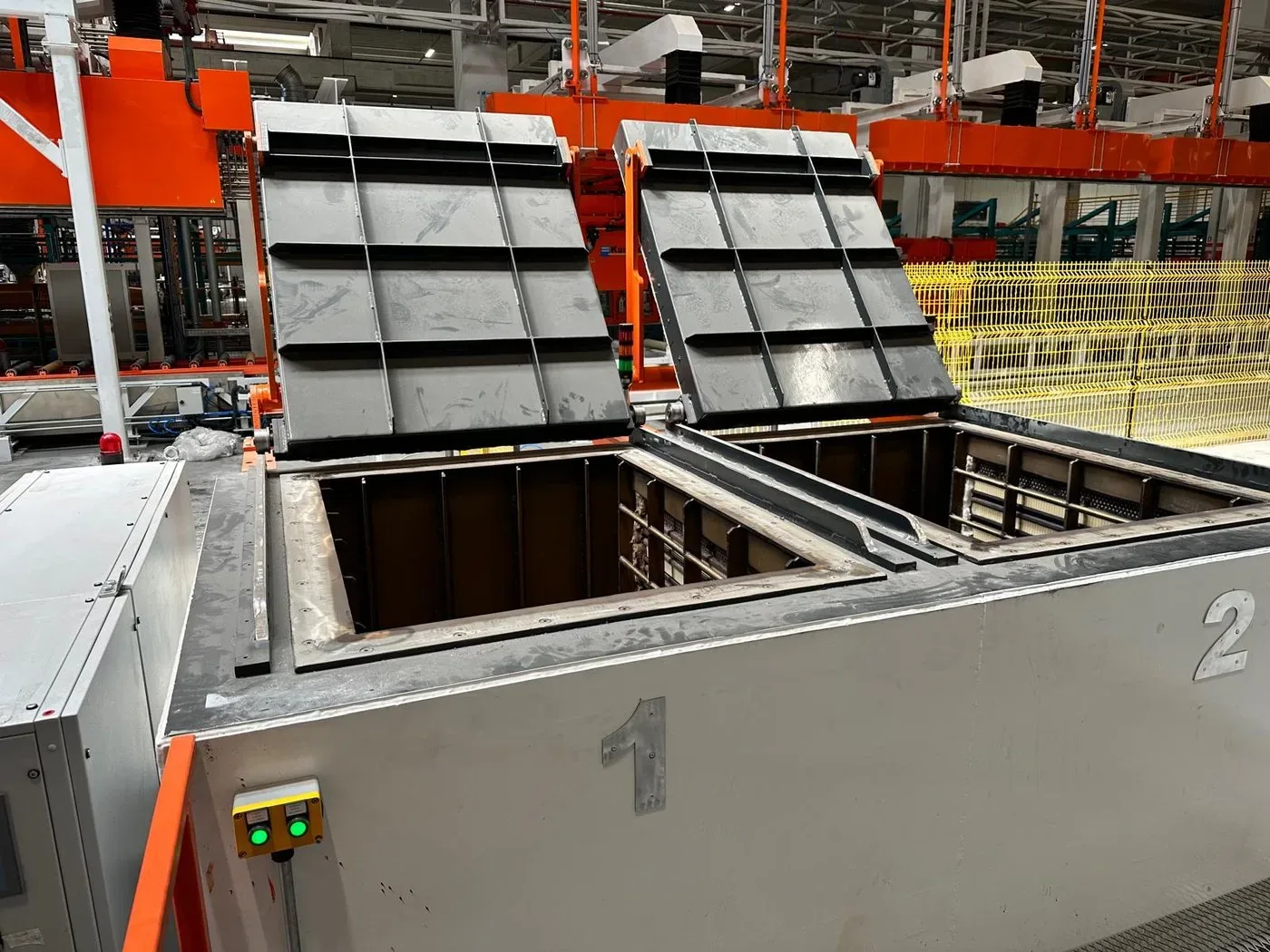
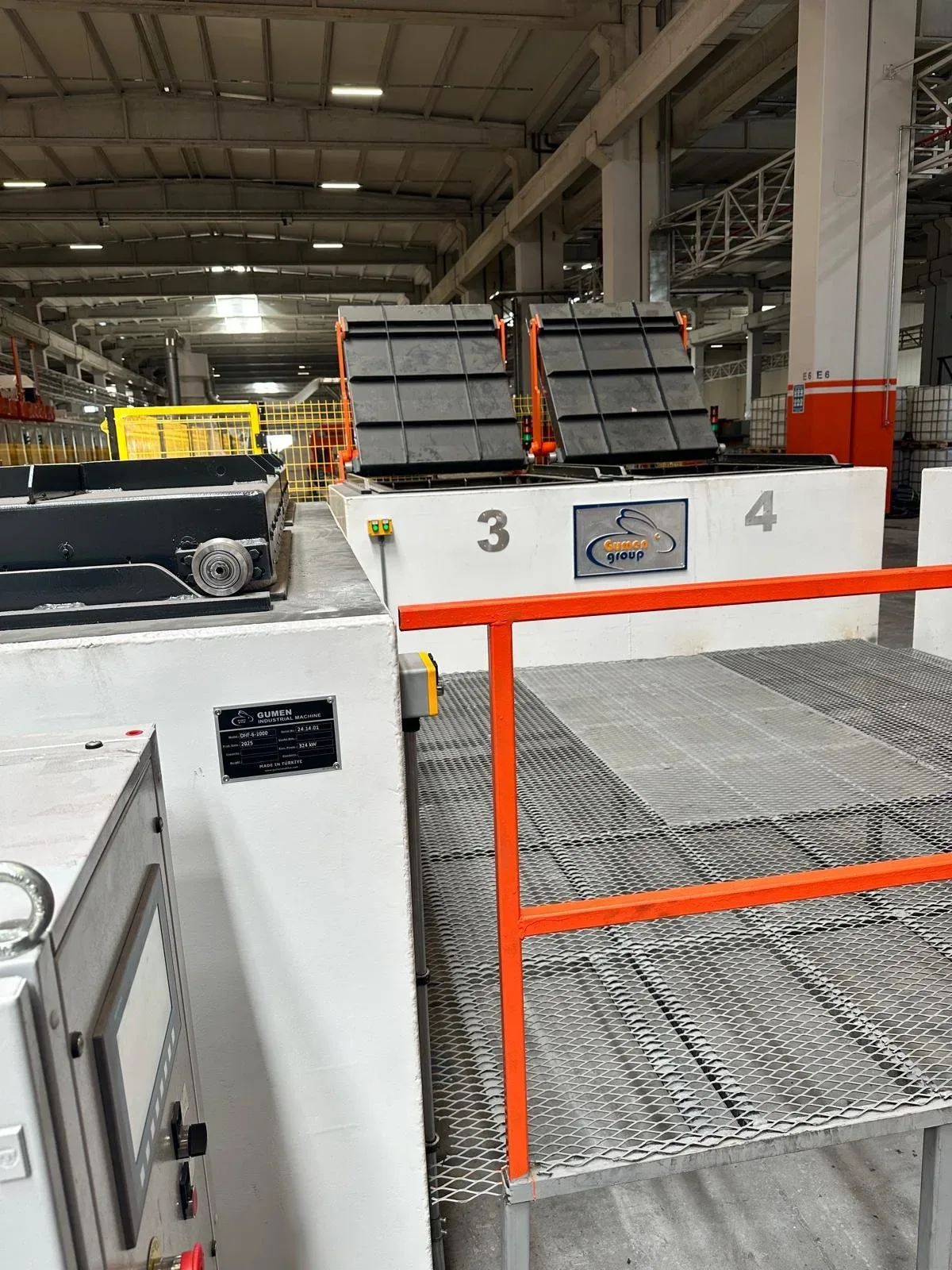
Billet and die heating furnace technical specifications
- Heating method
- Regenerative gas-fired or induction
- Temperature uniformity
- ±5 °C across the billet cross-section
- Billet diameter
- 75 – 300 mm
- Billet length
- Project-specific
- Die heating furnace
- As separate units — cell layout according to the number of dies
- Charging system
- Automatic or semi-automatic charging car
- Temperature measurement
- Zone thermocouples; billet surface measurement at the exit
- Control
- PLC: zone-based temperature profile and recipe management
- Energy saving
- 30–40% reduction in fuel consumption with a regenerative system
- Alloy compatibility
- 1xxx – 7xxx series
- Position in line
- Between the homogenising furnace and the extrusion press
Your energy tariff decides between gas and induction
Induction heats quickly and gives precise control billet by billet; it is advantageous on small and medium capacity lines that change product often. Because the unit cost of electricity is high, operating cost stands out in continuous, high-tonnage production. A regenerative gas-fired furnace, on the other hand, runs at lower cost at large capacity and in an uninterrupted operating profile; its heat-up time is longer, but if the line runs continuously this difference disappears. We build both, and the right choice is made together, based on the unit price of electricity and gas at your plant, the daily tonnage and how often the product changes.
We build the heating assembly to suit your press
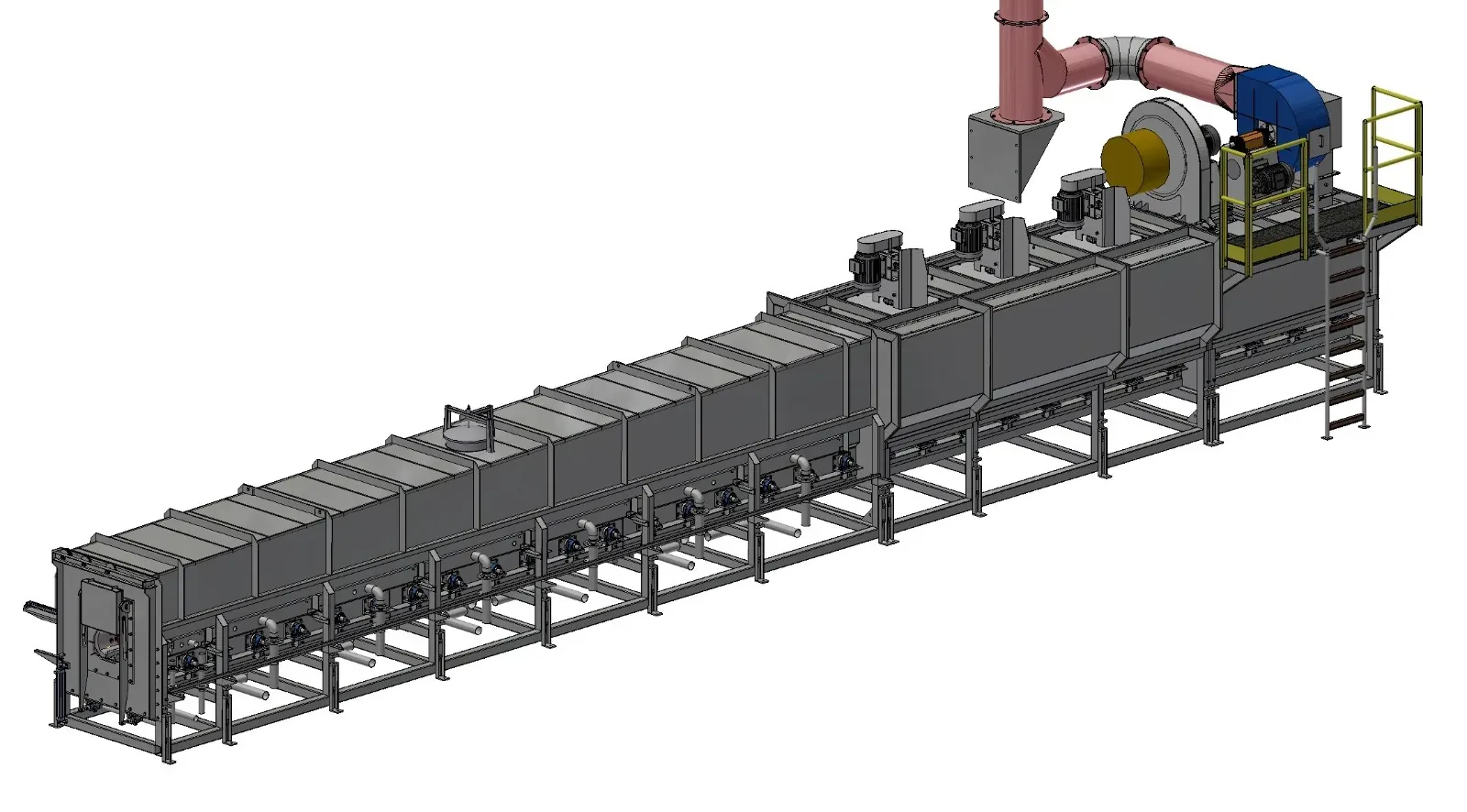
Regenerative Gas-Fired Furnace
For high capacity and uninterrupted production. The heat of the flue gas is transferred to the combustion air, and fuel consumption falls markedly compared with a standard burner.
Induction Billet Heater
Fast heat-up and precise control per billet. It stands out on medium-capacity extrusion lines that change product frequently.
Die Heating Furnace
Cell layout; the number and size of the cells are determined by your die inventory. The units run on the same PLC as the billet furnace.
Charging Car
Automatic or semi-automatic. It works in sync between the furnace and the press; hot billets are not handled by hand.
Hot Shear Unit
Cuts the billet to length after heating. The cutting allowance and temperature loss are calculated according to the cycle time of the press.
Four things set this furnace apart
±5 °C across the cross-section
With zone-based heating control, one end of the billet does not come out hotter than the other. Wall thickness along the profile does not drift.
Two technologies, one supplier
We manufacture both the gas-fired furnace and the induction heater ourselves. We make the choice together, according to the energy tariff and production profile of your plant.
Automatic all the way to the press
The billet goes from the furnace to the press by mechanical transfer; cycle time stays constant throughout the shift.
The die is managed from the same system
The die heating cells are managed from the same recipe system as the billet furnace. When the press starts up, the billet and the die are ready at the same time.
Explore the technical documents and catalogues
We answer frequently asked questions
about the billet heating furnace
No. Homogenisation is a heat treatment after casting that lasts for hours and changes the internal structure of the billet. Billet heating, on the other hand, is a short step immediately before the press that brings the billet to forming temperature. The two are used one after the other, but they are different furnaces.
At continuous, high tonnage, a regenerative gas-fired furnace is generally more economical to run. Induction comes out ahead on presses that change product often, thanks to its fast start-up and precise gradient heating. We decide together, based on your press tonnage and profile mix.
Pressing with a cold die causes both the first profiles to be lost as scrap and the die to crack. Holding the die at a controlled temperature extends die life; although it is a small investment, the payback is quick.
Yes, if the condition of the body and insulation is suitable. By renewing the burner assembly, air-gas line and control panel, the existing furnace can be converted to regenerative operation. We give the scope in writing after a site survey.
Yes, a temperature-time profile is recorded for each load. The records can be reported in a form that can be used in customer audits and scrap-loss analysis.
Which line is this furnace part of, and what runs before and after it?
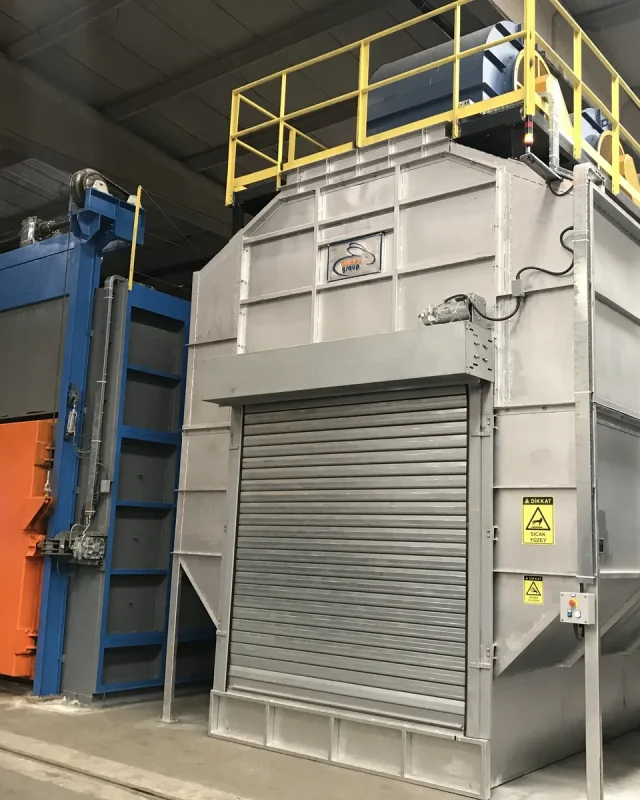
Homogenising Furnace
The internal structure of the billet is evened out here before it reaches the press; heating and cooling in a single recipe.
DISCOVER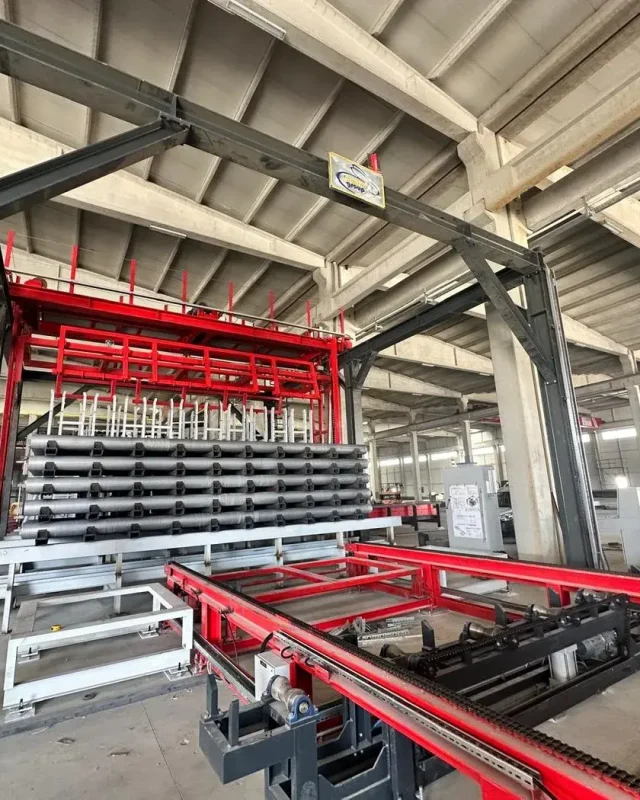
Extrusion Plants
Which equipment runs across the whole extrusion line, from billet to profile?
DISCOVER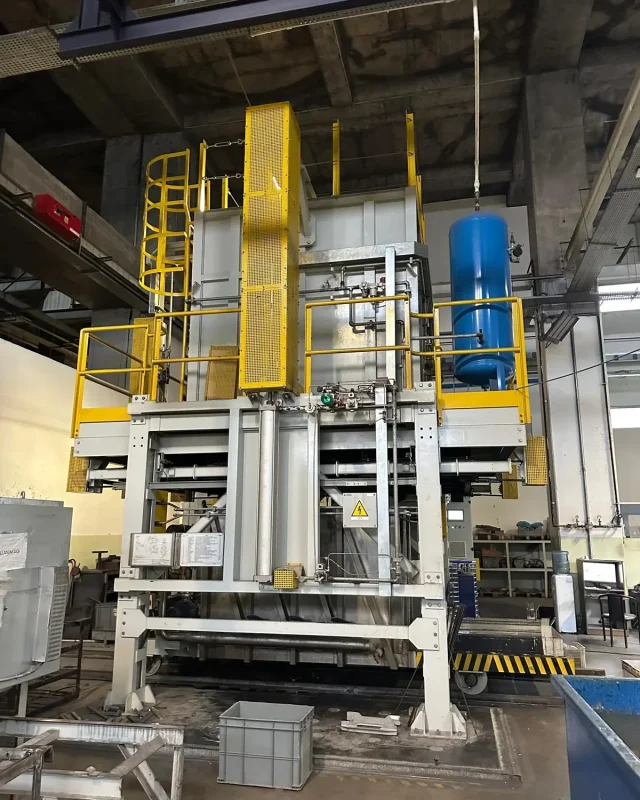
Heat Treatment Furnaces
Ageing of the profile coming off the press: T5 and T6 treatments, basket or hanging arrangement.
DISCOVER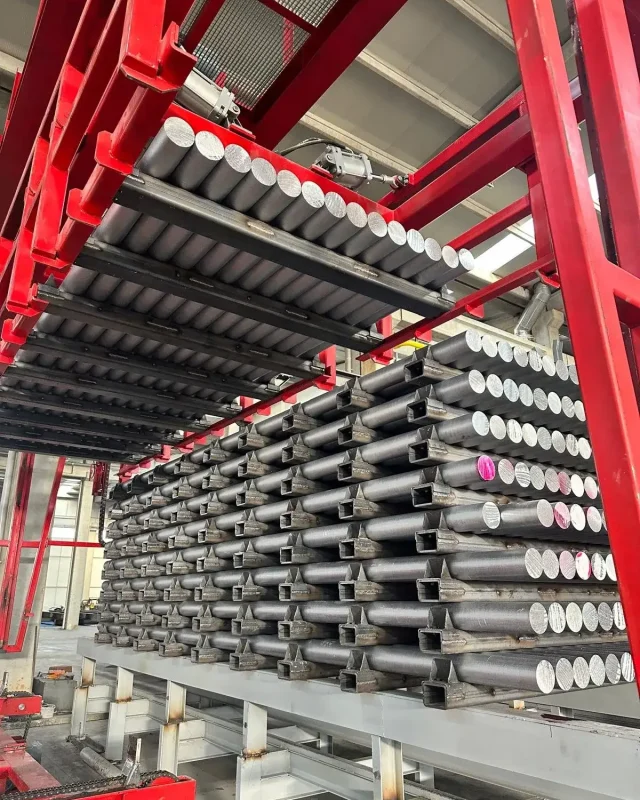
Automatic Loading & Unloading
Keep forklifts from waiting at the furnace: conveyor, transfer car and robot gripper.
DISCOVERTell us about your press and we will build the furnace around it
What is your press tonnage, how many tonnes of profile do you produce per day, and how many different dies do you run? The answer to the gas-or-induction question lies in these three pieces of information.
Request a Quote