
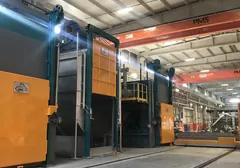


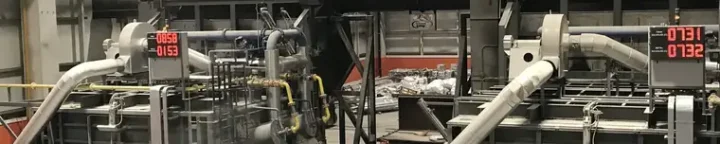


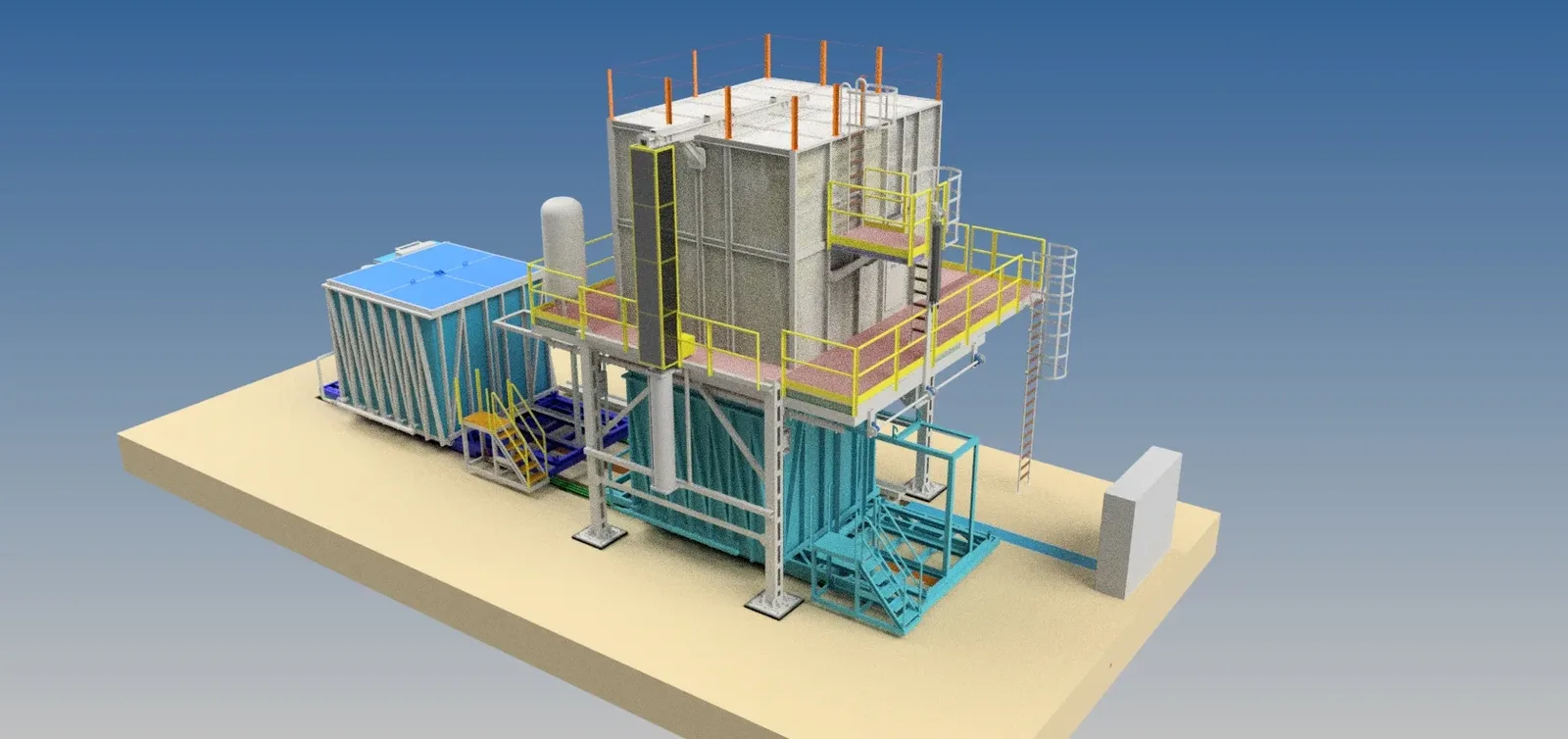
We design the heat treatment line as a single line, from solution treatment to ageing
Holding the same temperature in every corner of the furnace is the precondition for repeatable mechanical properties from batch to batch. We build the solution treatment furnace, the quench unit and the ageing oven under the same automation, and at commissioning we verify the temperature distribution by measuring it in the loaded furnace.
- Treatment types
- T5 / T6
- Solution treatment
- 520 – 560 °C
- Ageing
- 160 – 200 °C
- Temperature uniformity
- ± 5 °C
Why Gumen Makina Heat Treatment Systems?
Complete T5 and T6 process
The solution treatment furnace, quench unit and ageing oven are delivered as a single project. The temperature and time matching of the three steps is engineered from the start, not fitted afterwards.
Integrated quench unit
A water, air or water-air quench is fitted at the furnace exit. The critical cooling rate is achieved while distortion in the profile or part is kept under control.
±5 °C uniformity
The circulating air system holds the same temperature throughout the whole furnace volume. This is where consistency within the batch comes from.
Recorded and repeatable process
The heating and cooling curve for each batch is stored in the PLC. When you produce the same product again six months later, the same recipe runs; the record can also be used for quality certification.
Solution treatment, quench, ageing
Solution Treatment Furnace
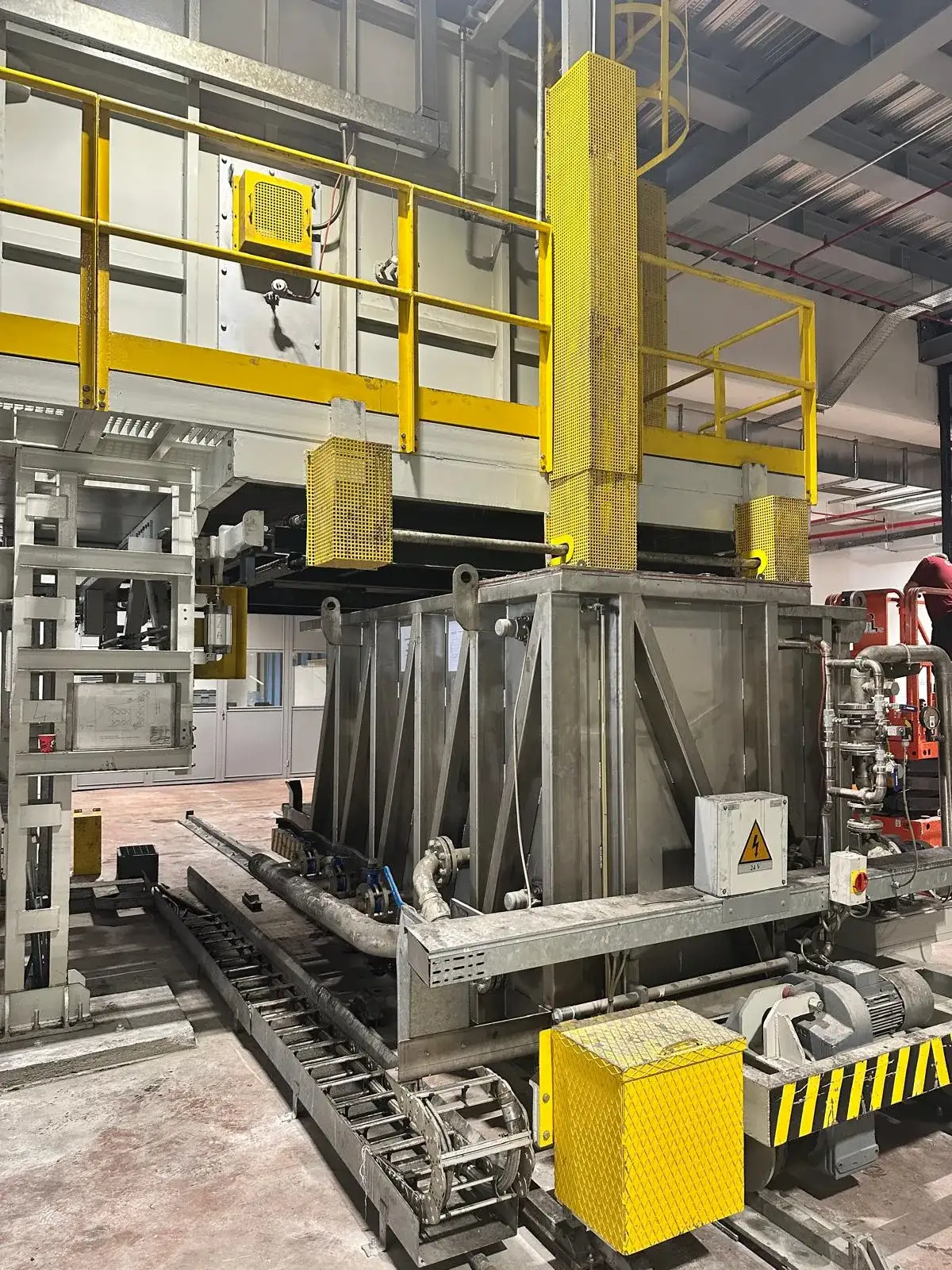
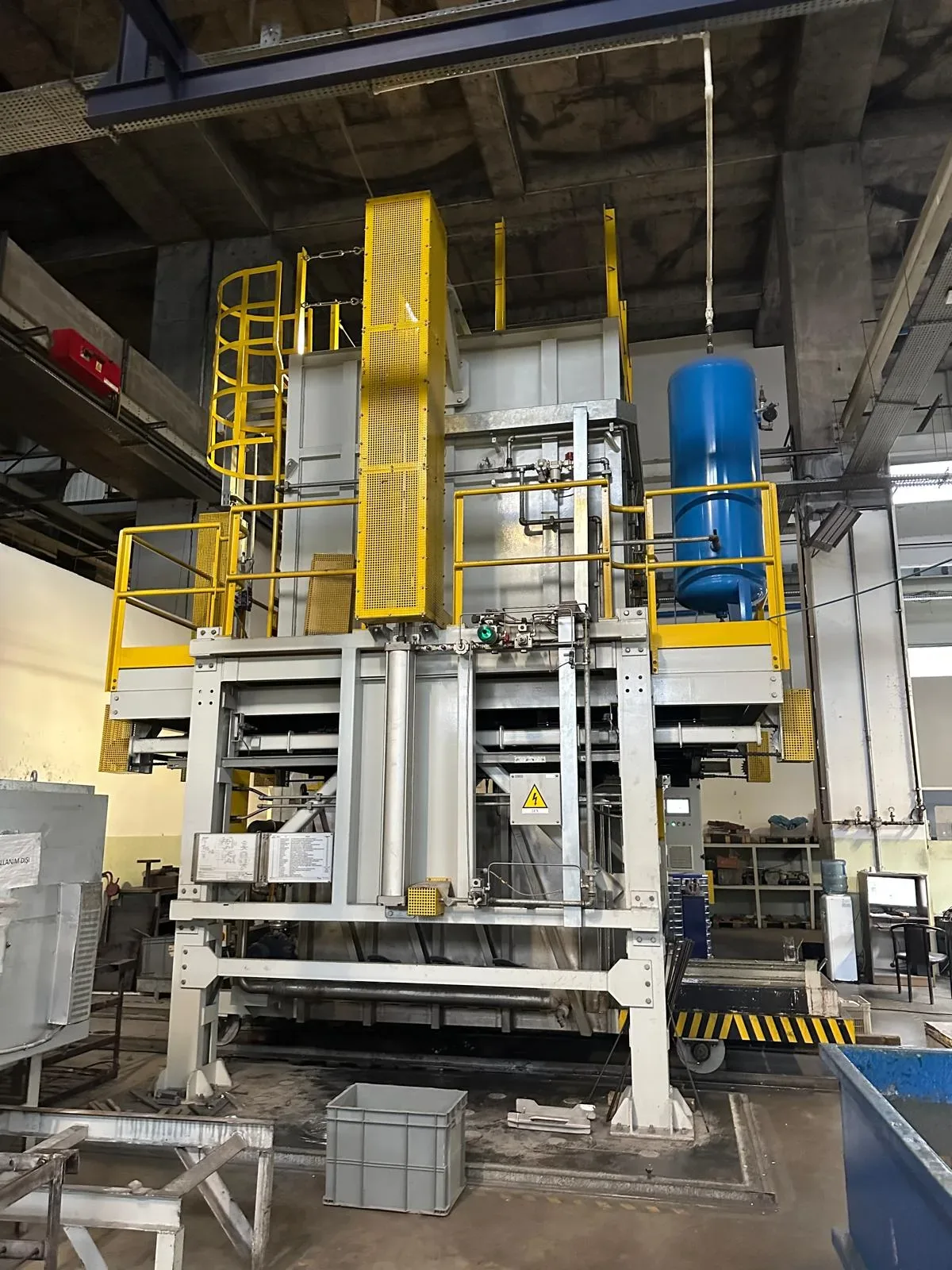
System structure: furnace body and insulation, circulation fans, heating assembly, charging car and multi-point temperature measurement. This is the step in which the alloying elements go into solid solution; the time has to be right as well as the temperature.
- 520 – 560 °C operating range
- Temperature and time recipe by alloy
- ±5 °C uniformity with circulating air
- Multi-zone temperature measurement
- Charging car or basket loading
- Gas or electric heating option
Quench Unit
System structure: quench tank or air curtain, transfer mechanism, temperature and flow rate control. The seconds between the furnace exit and the start of cooling are critical here: transfer time is part of the design.
- Water, air or water-air option
- Transfer integrated at the furnace exit
- Achieving the critical cooling rate
- Limiting the risk of distortion
- Control of water temperature and flow rate
- Sizing to part geometry
Ageing Oven
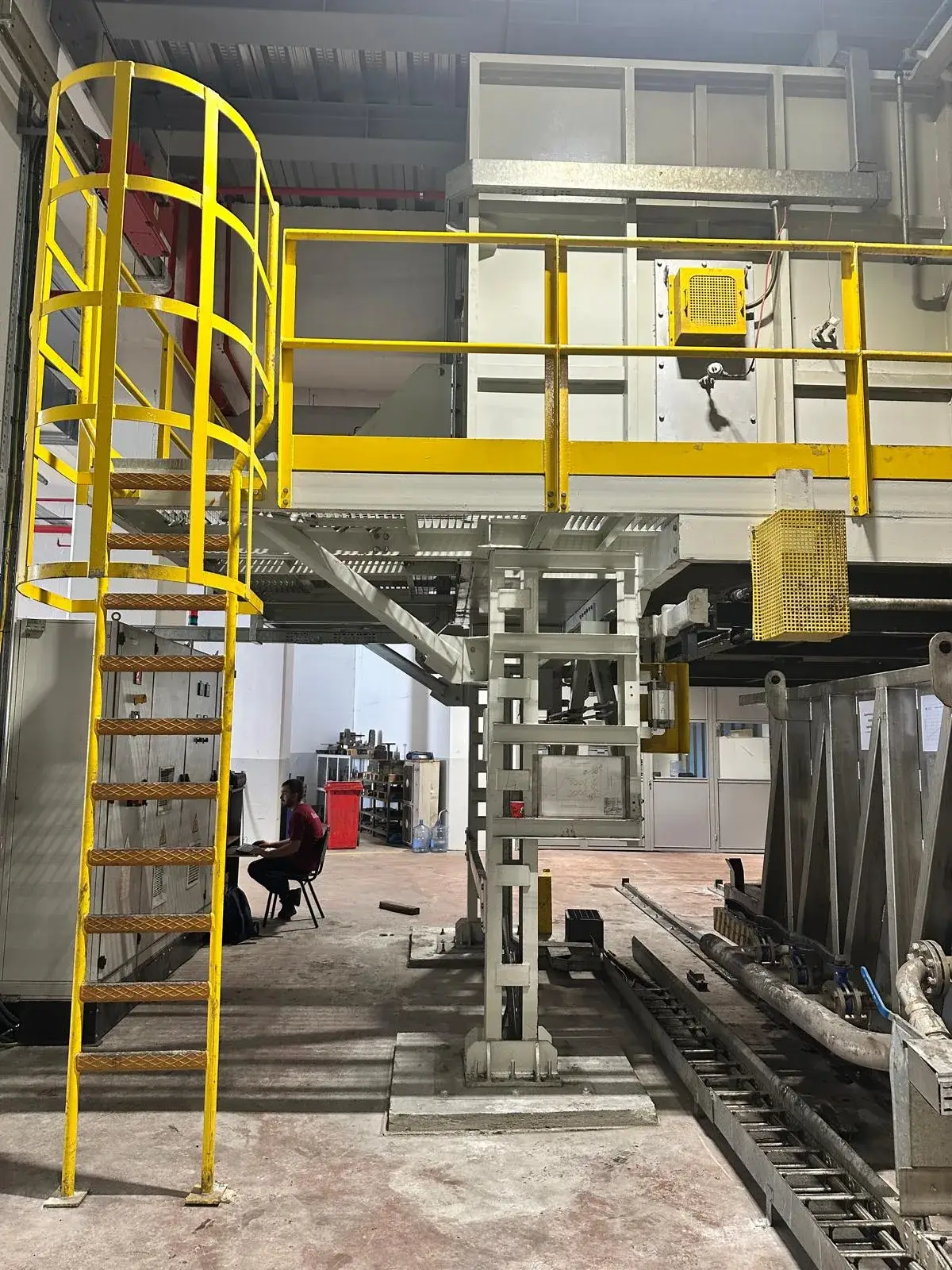
System structure: oven body, circulation system, heating assembly and PLC control panel. This is the step in which hardness reaches its final value: with T5 the material goes straight into this oven, and with T6 it arrives after solution treatment and quench.
- 160 – 200 °C operating range
- Separate recipes for T5 and T6
- Time and temperature record per batch
- Even distribution with circulating air
- Single or multiple cells to suit the plant area
- Alarm and reporting integration
Technical documents and catalogues
We answer frequently asked questions
about the heat treatment line
Your alloy and the mechanical properties you are targeting decide it. With T5, artificial ageing is carried out directly after extrusion: the process is short and economical, and is common for 6xxx series profiles. T6 involves solution treatment, a rapid quench and ageing; the mechanical properties are higher, and it is preferred for 2xxx and 7xxx alloys. We supply the furnace and quench solution for both processes.
Fan placement, air duct cross-section and load layout are calculated together; temperature is measured at several points in the furnace volume. During commissioning, measurements are taken in the loaded furnace and the distribution is verified.
Yes. The system can start with a single furnace and grow into a full line from solution treatment to ageing; we draw up the layout with this in mind from the start. Which setup is right depends on your plant area, your capacity and your existing equipment.
It depends on the critical cooling rate of the alloy and on the part geometry. Water cools quickly but raises the risk of distortion in thin, long parts; air is controllable but is not enough for every alloy. A water-air combination gives room to adjust between the two; we make the decision together with your product dimensions.
First we take measurements in the loaded furnace and isolate the source of the problem: the control and recipe side can be renewed without touching the furnace body; if circulation or insulation is the problem, uniformity cannot be fixed by automation alone. We do not quote the scope without seeing it on site.
We manufacture the equipment that makes up this solution in our own plant
Heat Treatment
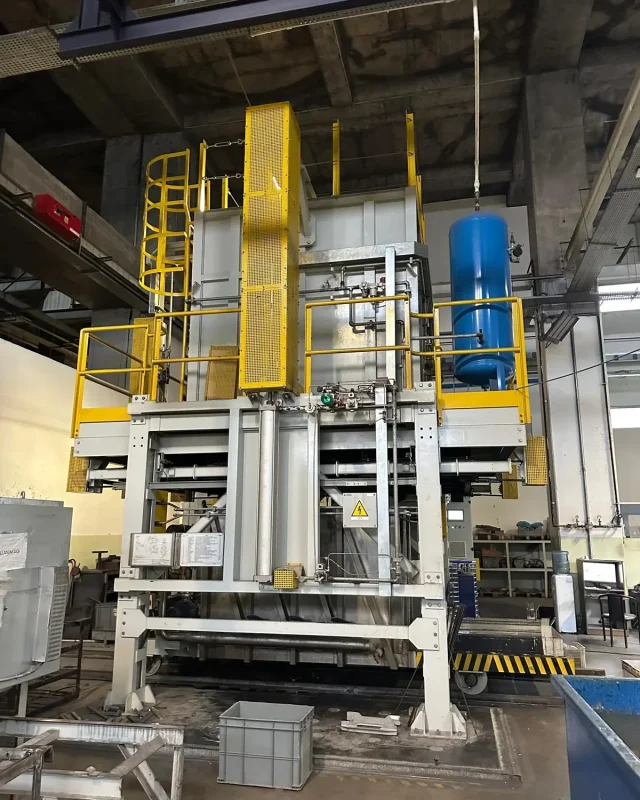
T5/T6 solution treatment furnaces and ageing ovens, integrated quench unit.
DISCOVER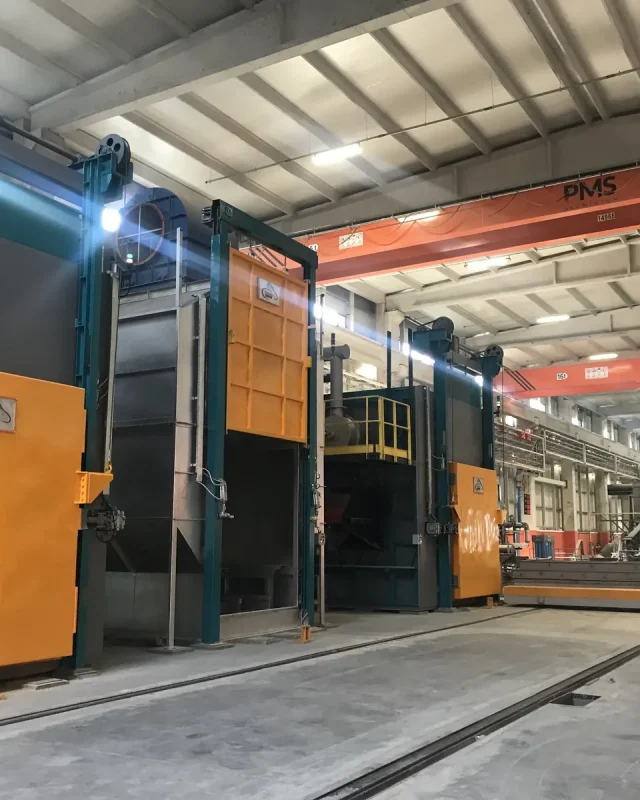
Homogenisation
Post-casting homogenisation cycle and controlled cooling of the billet.
DISCOVER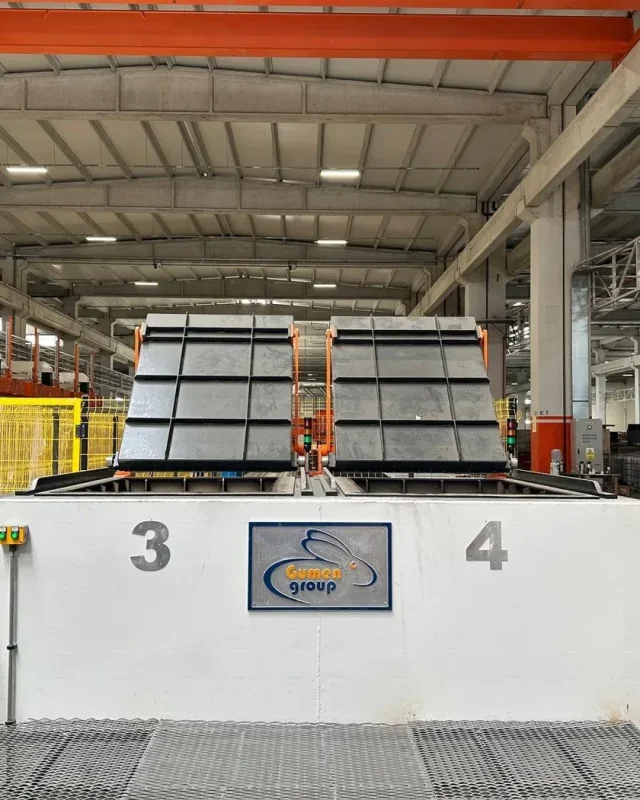
Extrusion Billet & Die Heating
Pre-press billet heating furnace and die heating cabinets.
DISCOVER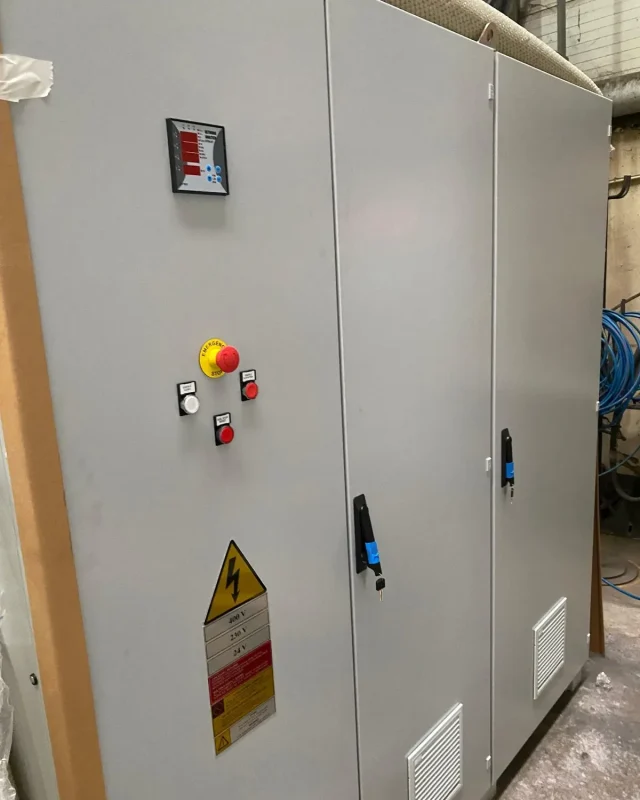
PLC & SCADA Systems
Batch recipe, temperature curve and alarm log on a single screen.
DISCOVERLet’s build your heat treatment line together
Which alloy do you process, in what cross-section, and how many tonnes per shift? Furnace volume, quench type and load layout follow from these three pieces of information. A single furnace is fine, and so is a full line from solution treatment to ageing.
Request a Quote