
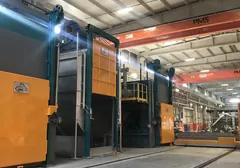

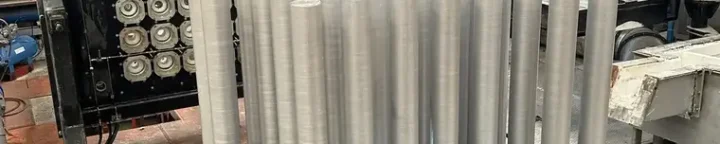
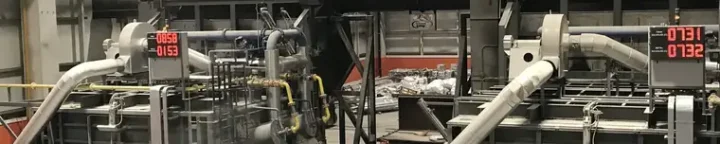

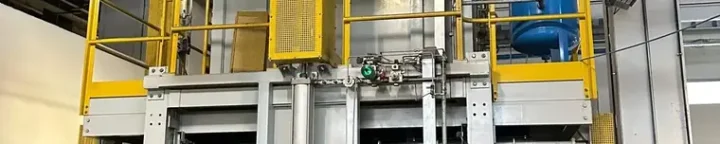
We design steel annealing and normalising furnaces together with their cooling regime
Annealing, which removes welding and cold-forming stresses, and normalising, which refines the internal structure, are handled in the same furnace with different recipes. We build the furnaces as batch-type or continuous, gas- or electrically heated; because the temperature record is taken from the PLC, the heat treatment certificate is not filled in by hand.
- Annealing
- 700 – 900 °C
- Normalising
- 850 – 980 °C
- Cooling
- In furnace / in air
- Atmosphere
- Controlled (optional)
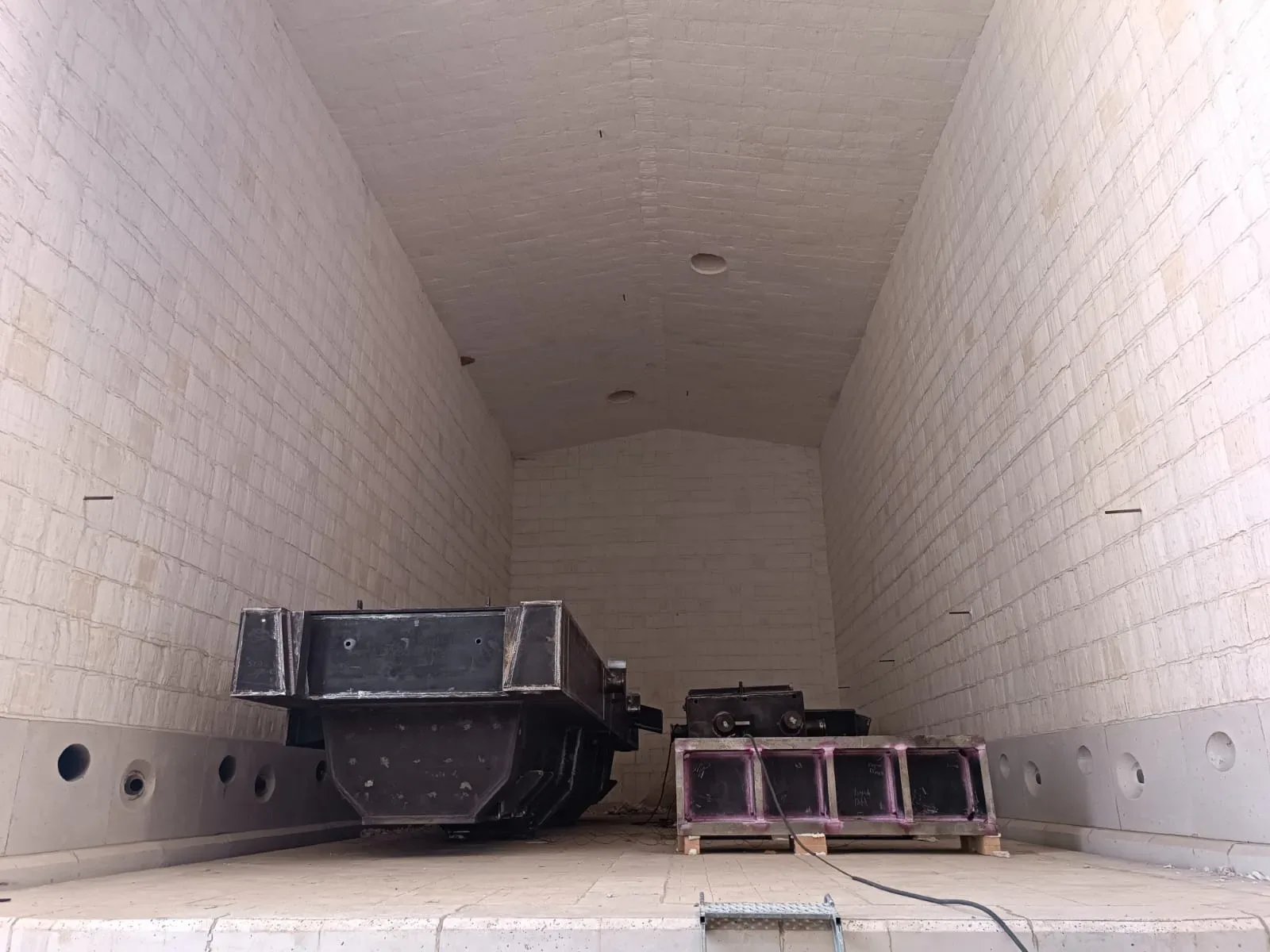
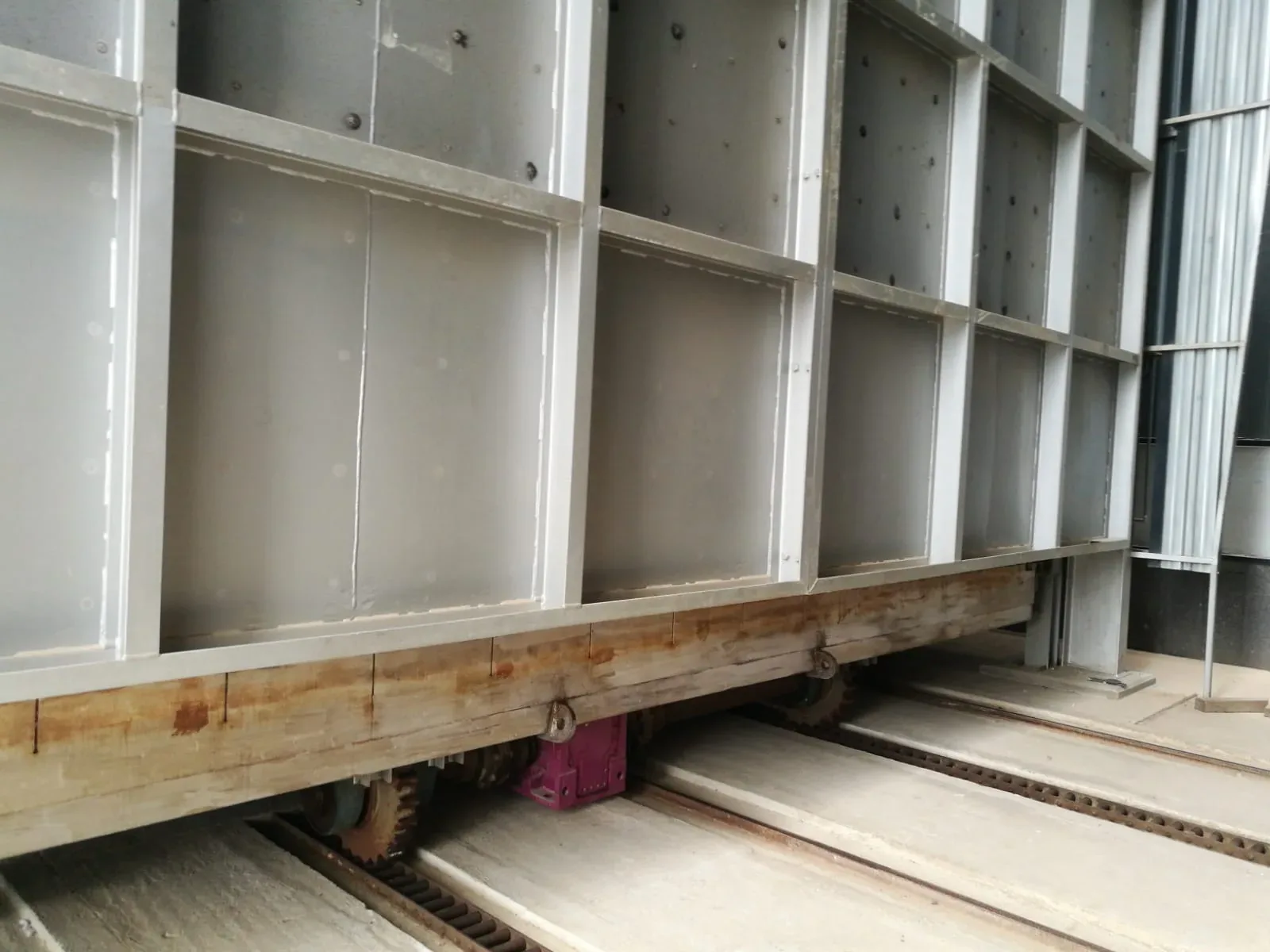
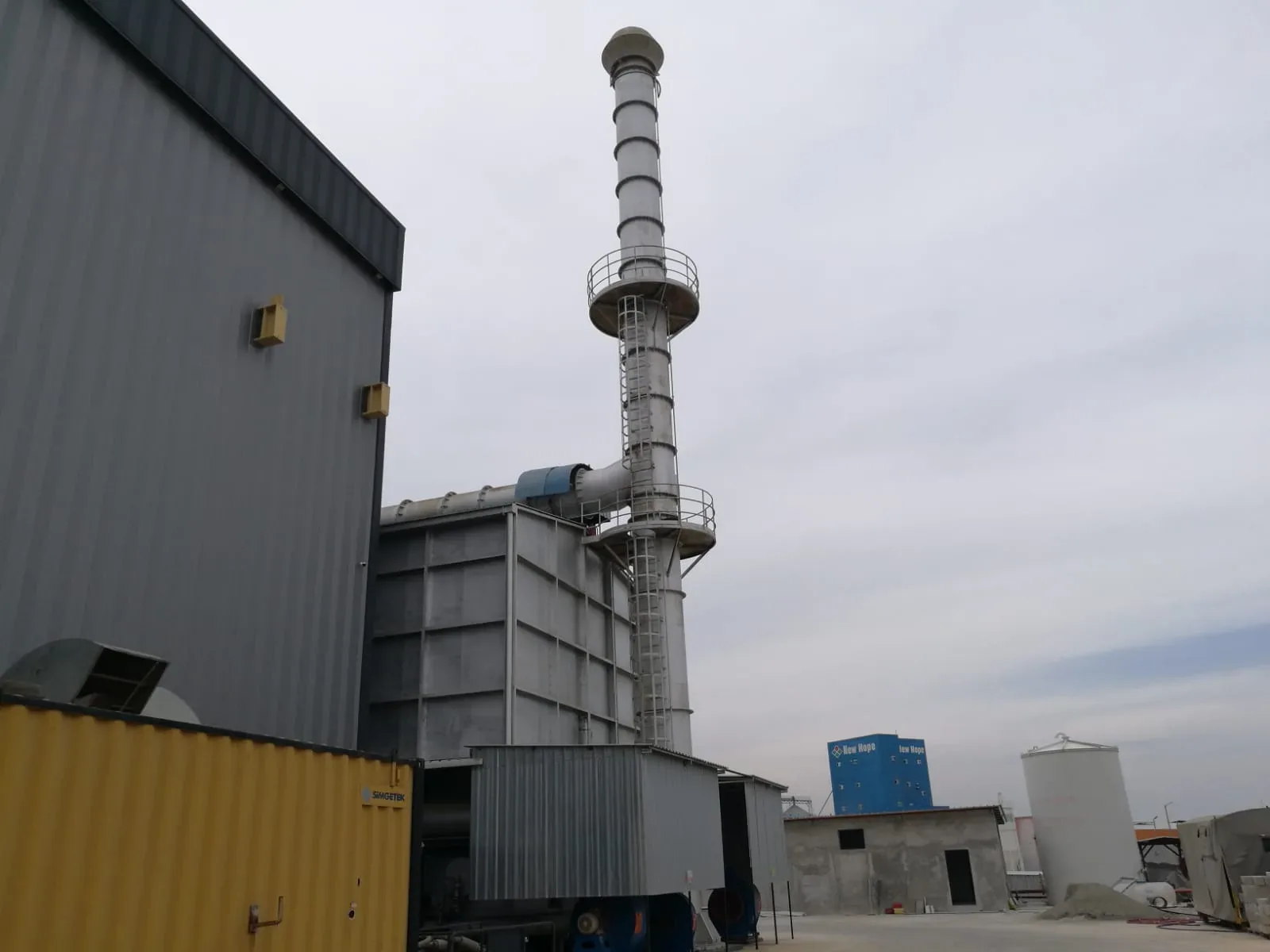
Annealing and normalising furnace technical specifications
- Furnace type
- Batch-type or continuous
- Full annealing temperature
- 700 – 900 °C
- Normalising temperature
- 850 – 980 °C
- Cooling
- Programmed slow cooling in the furnace or in air outside
- Cooling rate
- Programmed via PLC — depending on steel composition
- Atmosphere
- Optional N₂ or endothermic atmosphere, against oxidation and decarburisation
- Heating
- Gas-fired or electric
- Loading
- Car-bottom, basket or continuous feed
- Control
- PLC: material-based recipe; ramp and soak profiles
- Certification
- Temperature record and heat treatment certificate for each load
- Shared infrastructure
- Same control and recording system as the bogie hearth furnaces
Annealing or normalising?
In full annealing, the part cools slowly and in a controlled way inside the furnace; the result is the softest, most machinable structure, but the cycle is long and energy consumption is high. In normalising, the part is taken out of the furnace and cooled in air: the grain structure is refined and made homogeneous, the cycle is shorter, and hardness remains somewhat higher than with annealing. This is the common choice for structural steels. The furnace can run both processes; the difference is where cooling takes place and which profile is defined in the recipe.
We configure the furnace to suit your production profile
Batch Annealing Furnace
For medium capacity and a variety of part geometries. The recipe can be changed with every load.
Continuous Annealing Line
For high-volume, uniform production. The part moves along the line, and cycle time is stabilised.
Controlled Atmosphere Package
N₂ or endothermic atmosphere. Prevents oxidation and carbon loss on parts whose surface will not be machined afterwards.
Programmed Cooling Unit
The recipe controls the cooling rate inside the furnace; the part comes down to the required hardness inside the furnace.
Four things set this furnace apart
The recipe sets the cooling rate
A separate cooling profile is defined for each steel composition. The step that determines the result of the job becomes measurable.
The surface is protected
The controlled atmosphere option prevents oxidation and decarburisation. The difference shows on parts where surface quality is critical.
We build both batch-type and continuous furnaces
Batch-type if there is a wide variety of parts, continuous if there is uniform high volume. Selected to suit your production profile.
Shares the same system as the bogie furnace
If there are two furnaces in the same plant, the control and recording infrastructure is shared; the operator learns a single interface.
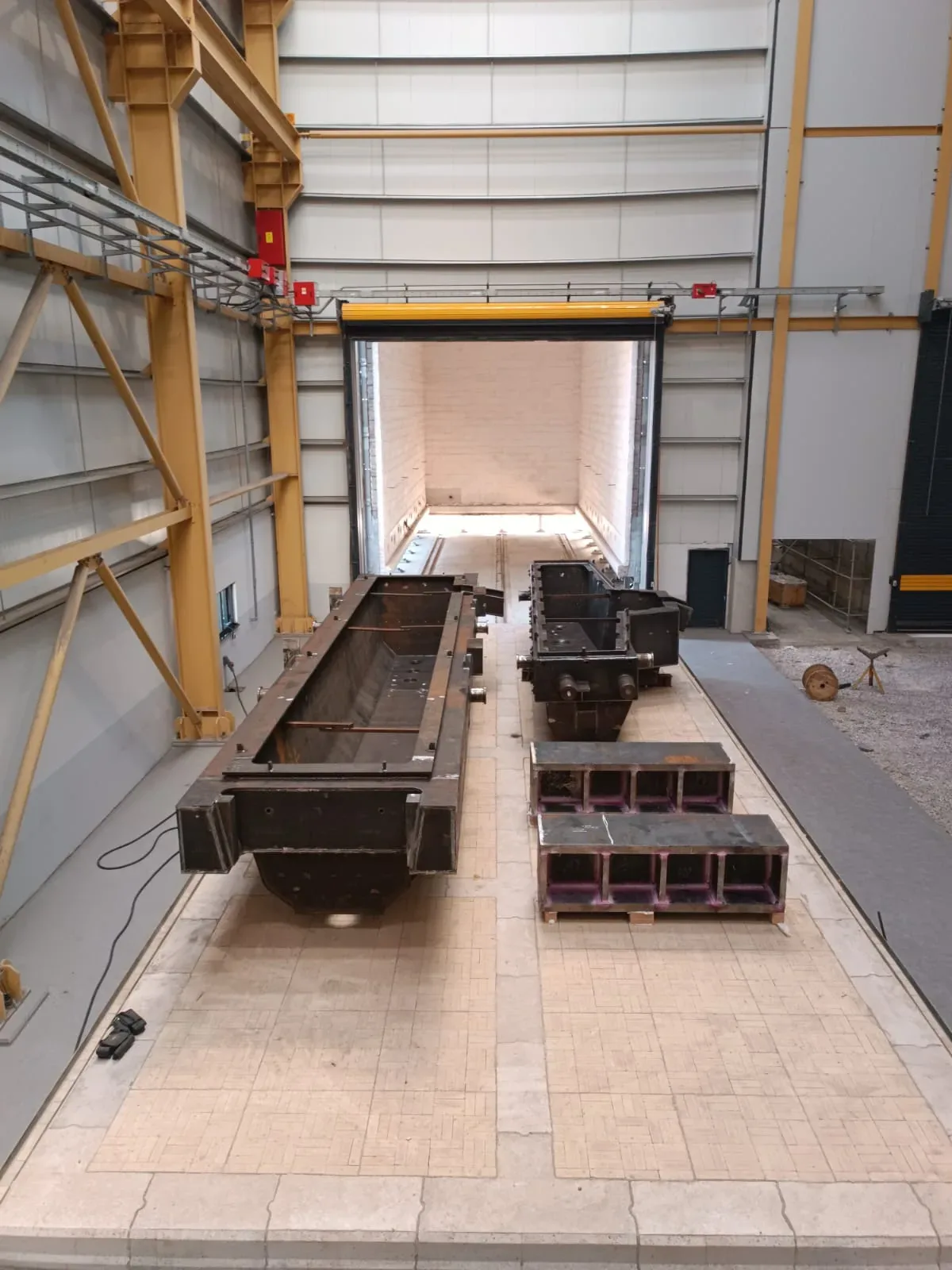
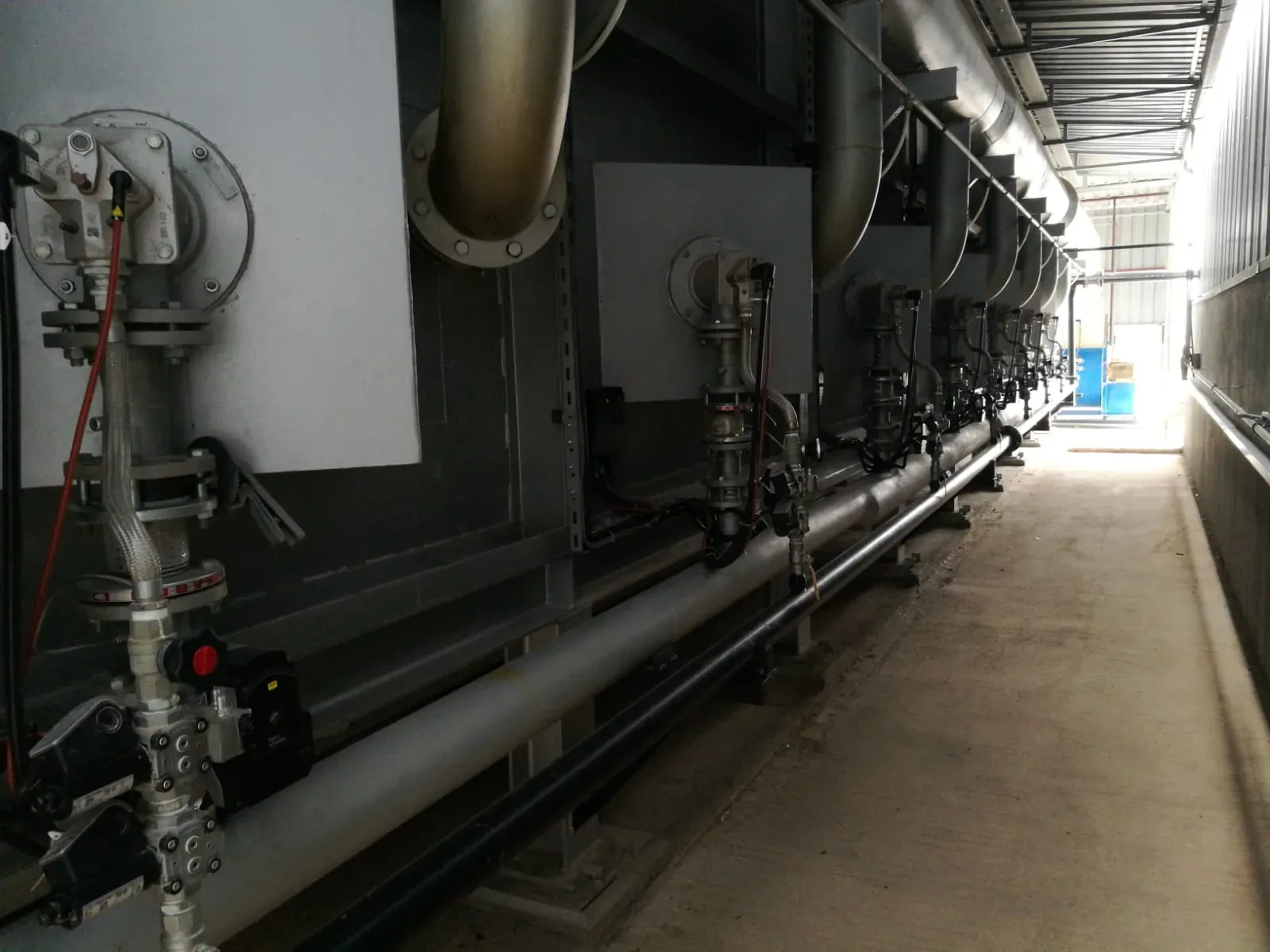
Explore the technical documents and catalogues
We answer frequently asked questions
about annealing and normalising
Bogie hearth is a furnace type: it describes a load entering on a car. Annealing and normalising are the names of the processes carried out. For large parts the two overlap: annealing is done in a car-bottom furnace. For small and medium parts, a basket-type or continuous furnace is more suitable.
For parts whose surface will not be machined afterwards, or where carbon loss is unacceptable. It is often not needed for parts that will be machined afterwards.
It is issued to EN and ASTM standards or to your own specification. Because the temperature record comes from the furnace PLC, the certificate is not a document filled in by hand afterwards.
Yes. The difference between the two is where cooling takes place and which recipe is called; the furnace holds both profiles.
Which equipment runs alongside this furnace?
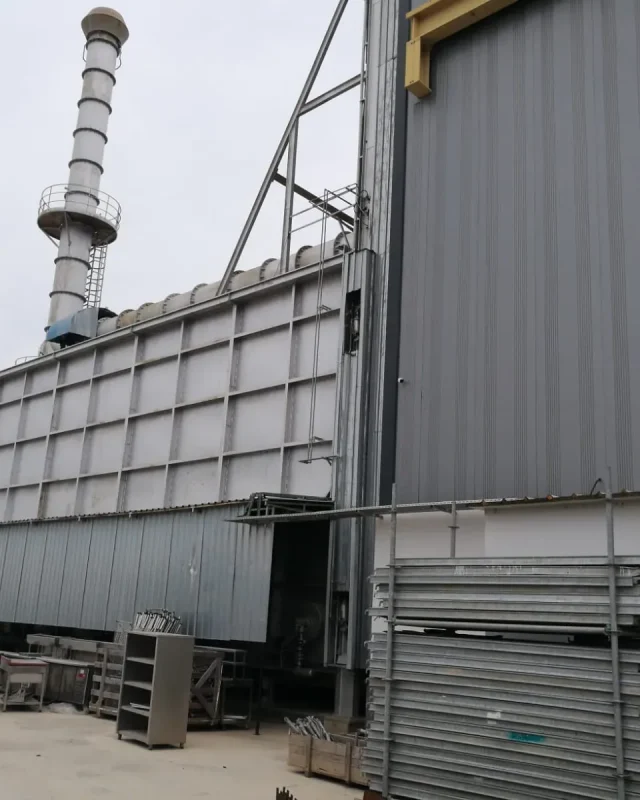
Bogie Hearth Furnaces
Car-bottom body for large parts: from 1 tonne to over 100 tonnes.
DISCOVER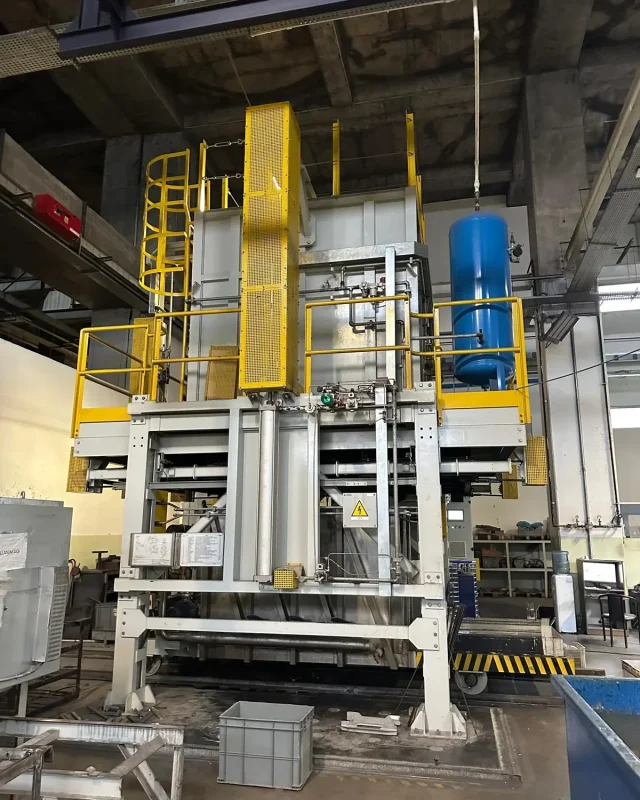
Steel and Heat Treatment
Which equipment makes up the furnace line in plants that process steel?
DISCOVER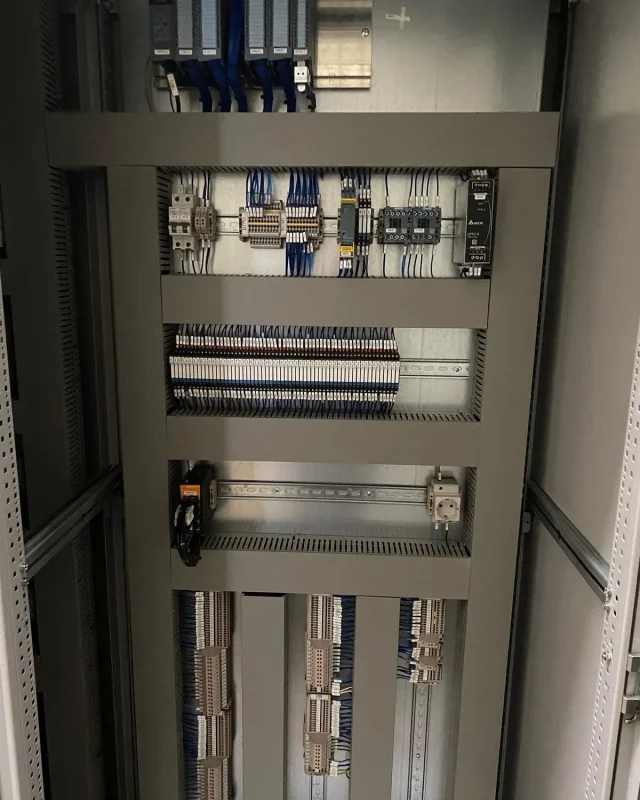
PLC & SCADA Systems
The control side that stores the cooling profile and produces the certificate.
DISCOVER
Tell us about your steel grade and part
Which steel grades do you process, how large are the parts, and which standard do you deliver to? We determine the cooling profile and furnace type from these three pieces of information.
Request a Quote